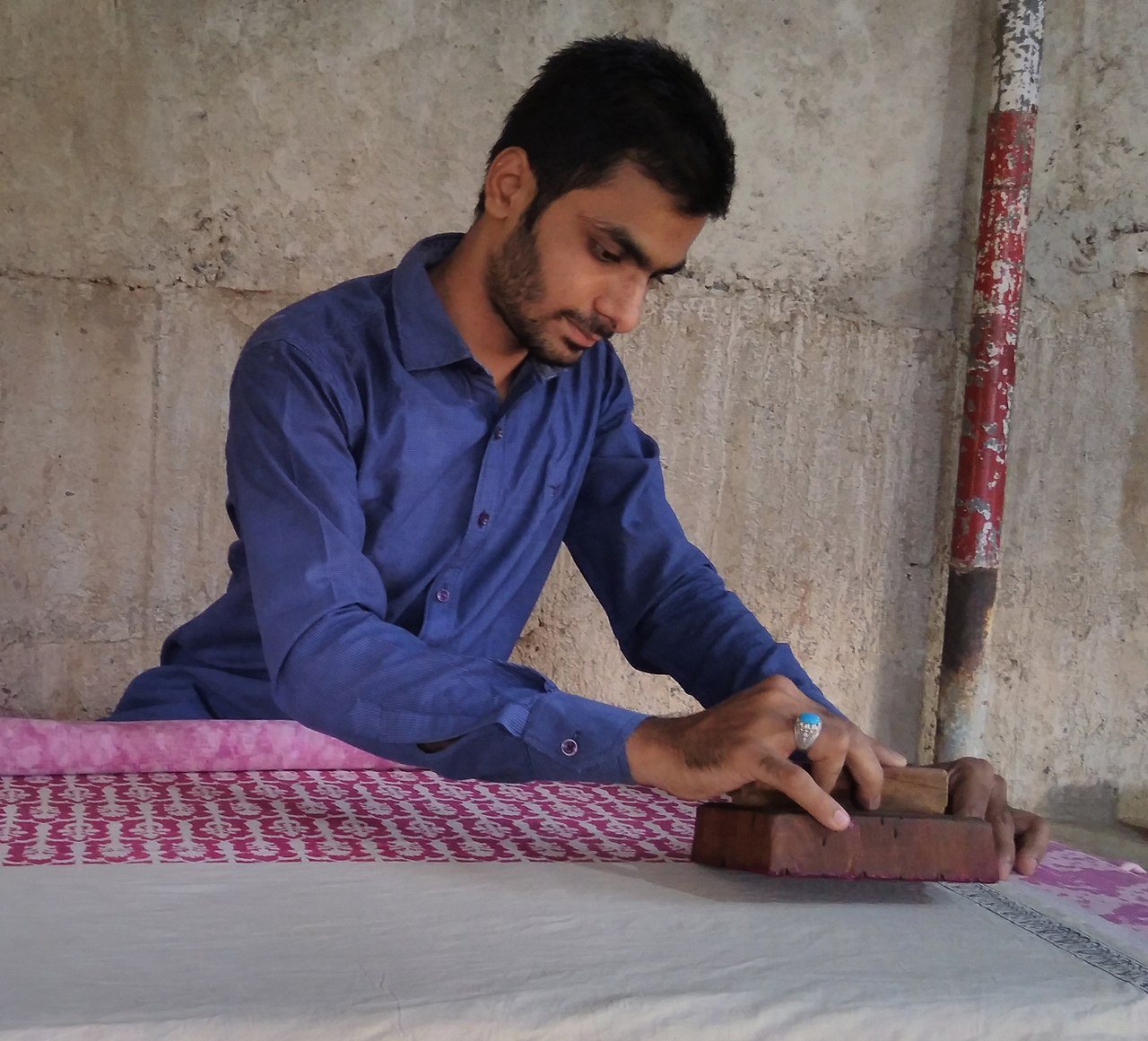
Master artisan hand-carving and pressing intricate traditional wooden blocks on natural dyed textile in India
🪔 EDITORIAL ARCHIVE • LIVING TRADITIONS & LORE

Indian Culture — Living Traditions, Festivals and Cultural Experiences

India's culture is not preserved under museum glass; it is performed every dawn on doorsteps, breathed into temple flutes, hand-painted on cotton scrolls, and passed silently from guru to disciple. This section also gives international visitors practical context for Indian culture.
CIVILIZATIONAL FOUNDATION

Parampara: The Unbroken Thread — India Travel Guide

While European universities codified knowledge in books and copyrights, classical Indian arts survived millennia through Parampara—the living lineage of direct oral and physical transmission from master (*Guru*) to initiate (*Shishya*). For international travelers, this section adds practical context to India travel guide.

Whether in the Dhrupad vocal gharanas of Gwalior, the Kathakali green-room makeup rituals of Kerala, or the bronze lost-wax casting guilds of Swamimalai, learning is not transactional. An apprentice lives with the master for years, absorbing not just technical mechanics but an entire moral worldview, observing how the master touches the instrument, speaks to elders, and begins every dawn with reverence.

Artisan hand block-printing textile fabric with traditional carved wooden stamps and natural dyes
GENERATIONAL GUILDS

The Kalamkari & Block-Print Lineages — India Tourism

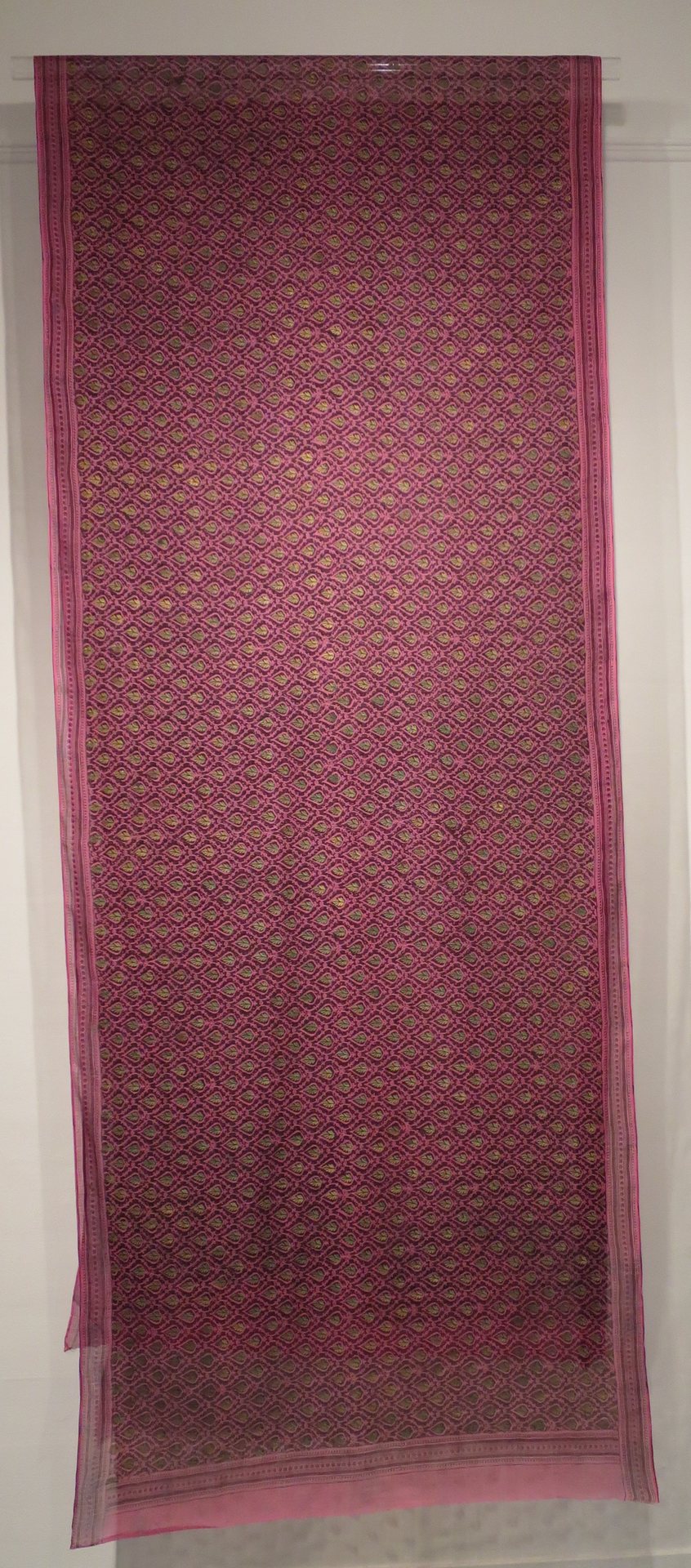
In Andhra Pradesh and Gujarat, families have practiced natural-dye textile art for seven continuous generations. Using hand-carved teak blocks and bamboo pens dipped in fermented iron rust, myrobalan nuts, and madder root, artisans translate epics onto fabric. For international travelers, this section adds practical context to India tourism.

The resulting textiles improve with washing—the organic plant dyes curing deeper into the cotton threads as years advance.

DAILY THRESHOLD RITUAL

Kolam: Sacred Geometry at the Doorstep — Indian Festivals

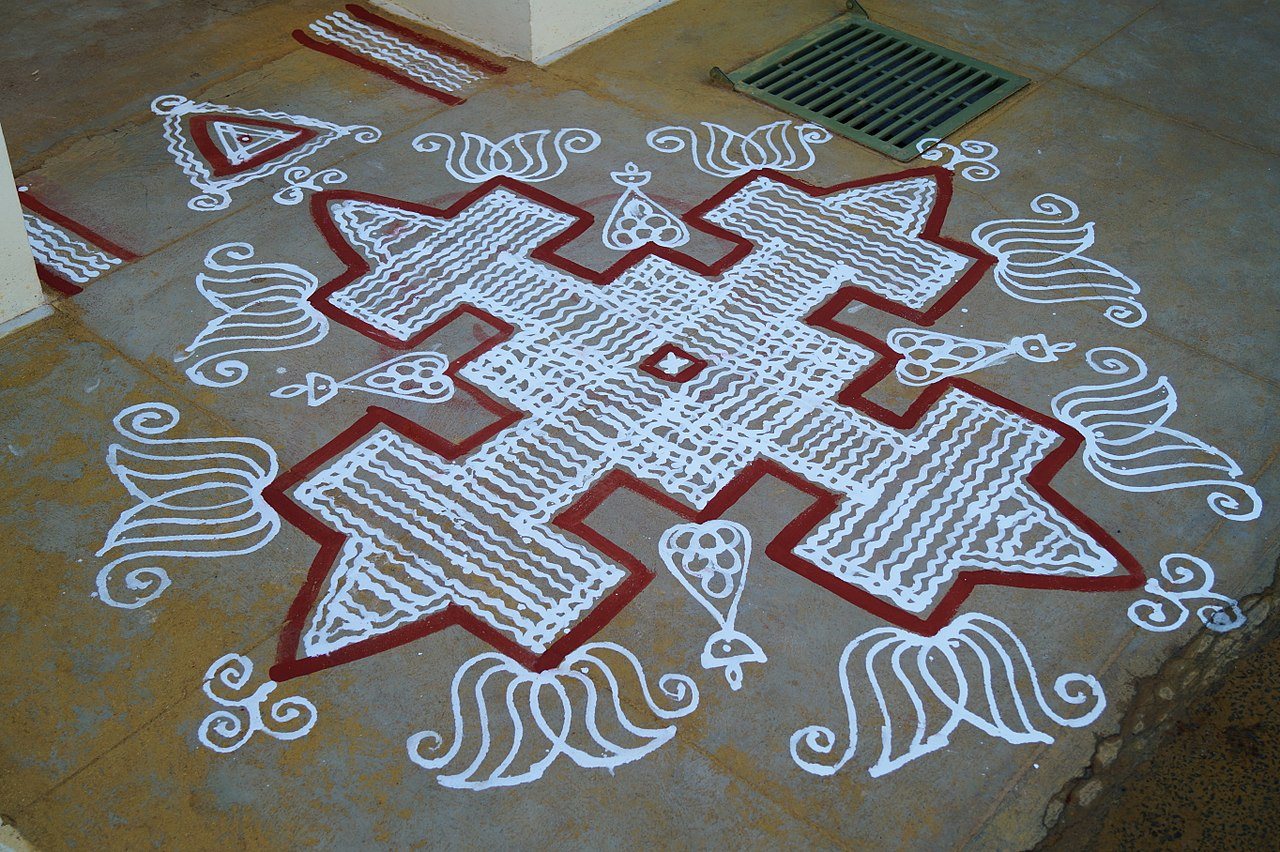
Every morning across southern India, before the sun rises, millions of women sweep their thresholds and draw intricate mathematical diagrams with rice flour. This section also gives international visitors practical context for Indian festivals.

A Kolam is never drawn for decorative pride alone. First, it is an offering: because it is composed of edible rice flour rather than chalk, tiny ants, birds, and insects feed upon it throughout the morning, enacting the Hindu ethical principle of Bhuta Yajna—feeding the unseen living world before feeding oneself.

Key themes include Indian festivals, festivals in India, cultural experiences in India, helping international travelers plan an informed and memorable journey.

Second, it is high topological mathematics. Computer scientists at MIT have analyzed Kolam patterns for their algorithmic recursive symmetry and fractal properties. Yet to the grandmother drawing it with effortless flicks of her thumb and index finger, it is simply the morning breath of the household, inviting auspicious cosmic harmony into the home. By midday, footsteps have scattered the flour into dust—a gentle, daily reminder of the impermanence of all things.

Intricate sacred geometric kolam design drawn in edible white rice flour on home threshold
SACRED THRESHOLD GEOMETRY

Drawn in fresh rice flour at dawn, the *kolam* embodies *Bhuta Yajna*—offering sustenance to passing insects and birds while welcoming harmony.

CONSCIOUS AMBASSADORSHIP

Guidelines for Engaging Living Traditions — Festivals In India

📷 Photographing Artisans

Always make eye contact and seek verbal or gestural permission before photographing artisans at work. If you spend time observing their masterwork, purchasing a small piece directly from their hands honors their livelihood without middleman exploitation. This section also gives international visitors practical context for festivals in India.

🚪 Respecting Domestic Thresholds

Never step over a fresh doorstep Kolam or rangoli; walk around it carefully. When invited into an Indian home or village courtyard, remove your shoes outside the door without waiting to be asked.

🤲 Receiving Offerings

When offered prasad (blessed food), tea, or gifts, always receive them with your right hand or both hands held cupped together as a gesture of humility and respect.

PRACTICAL ADVICE

Culture & Temple Protocols for Foreign Visitors — Cultural Experiences In India

Learn how to respectfully visit sacred spaces, dress modestly, remove footwear, and navigate social greetings. This section also gives international visitors practical context for cultural experiences in India.

Read Etiquette Guide →