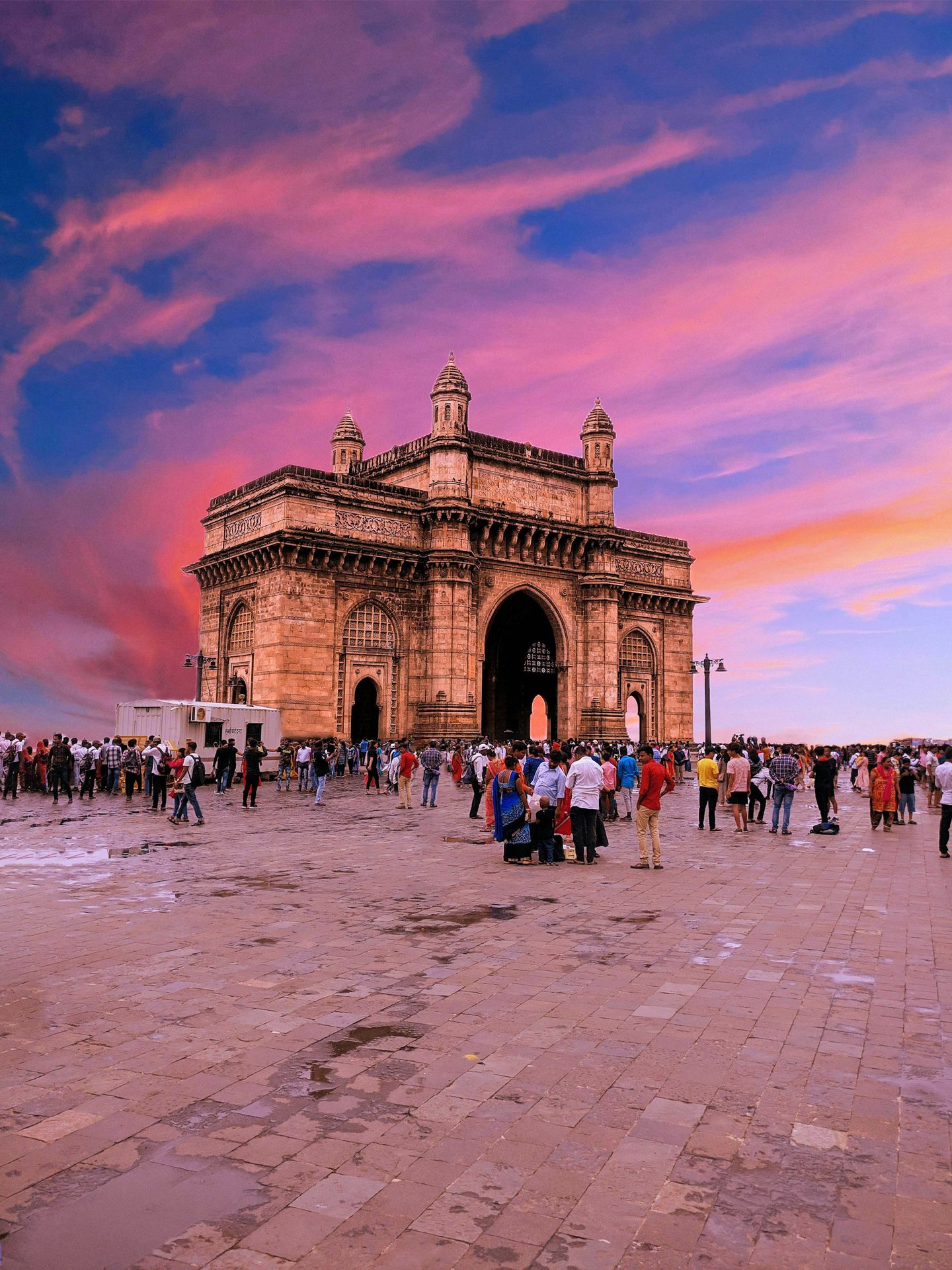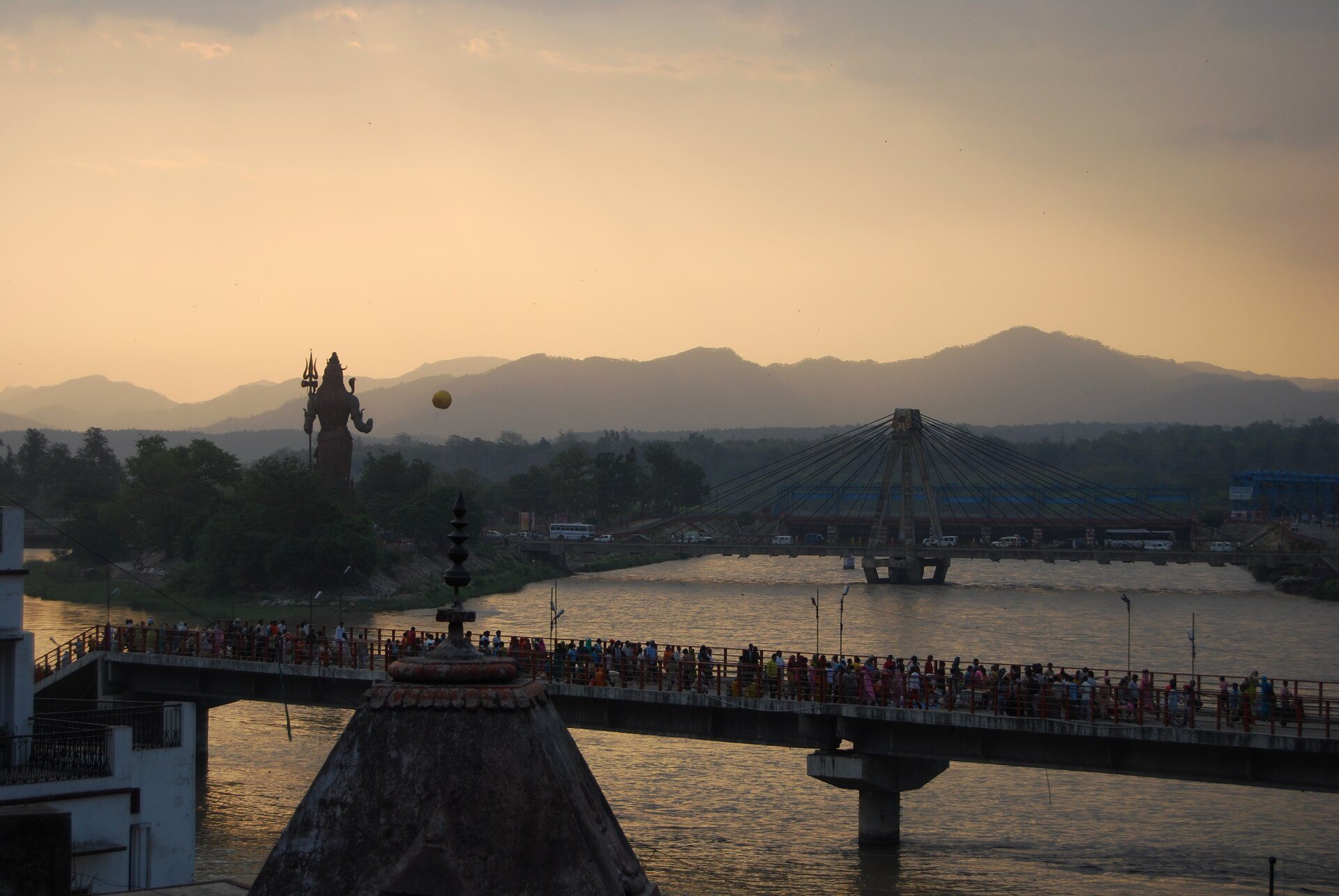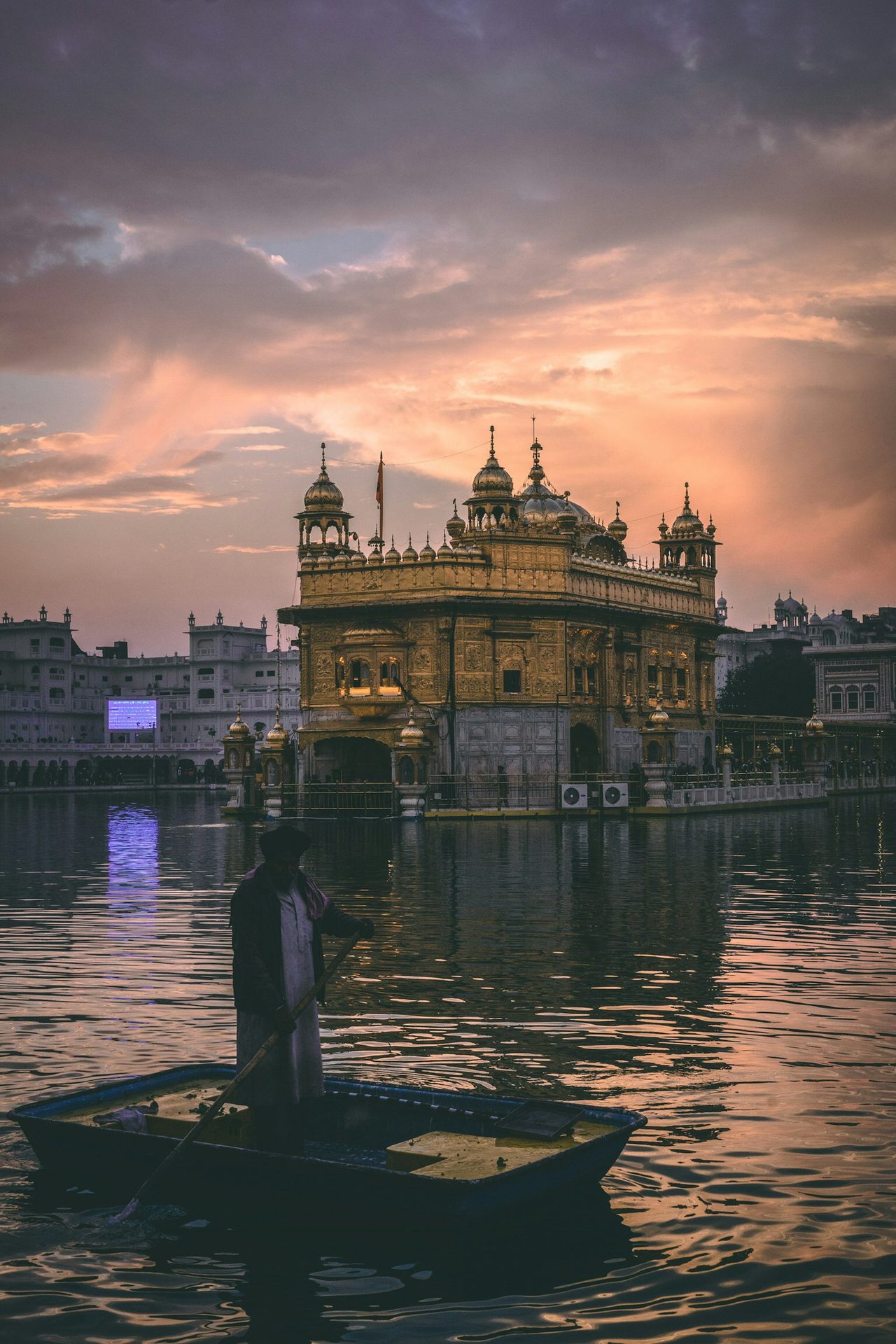
"Where India's great cities, sacred rivers, royal histories and ancient heartlands meet." For international travelers, this section adds practical context to India travel.
Explore North and Central India with India travel planning that connects Delhi travel and a Delhi travel guide with tourist places in India and onward ideas for a Ladakh trip.
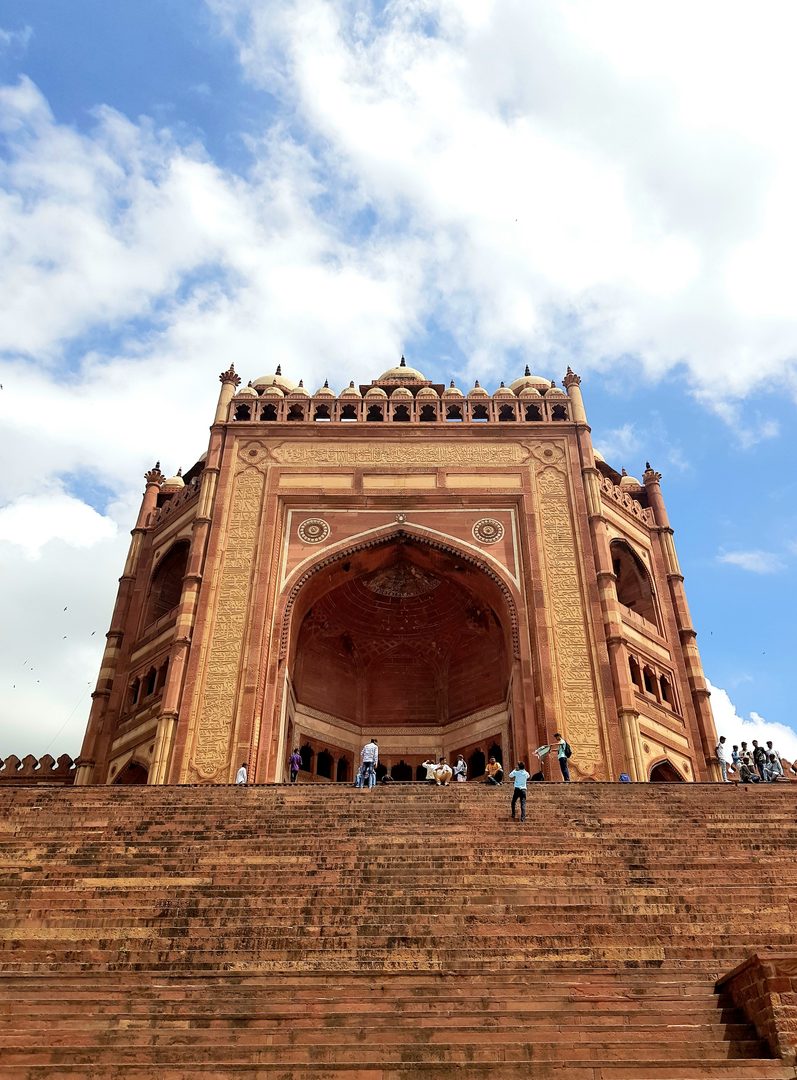
An essential cultural orientation for international travelers exploring the cradle of subcontinental civilization. For international travelers, this section adds practical context to India travel guide.
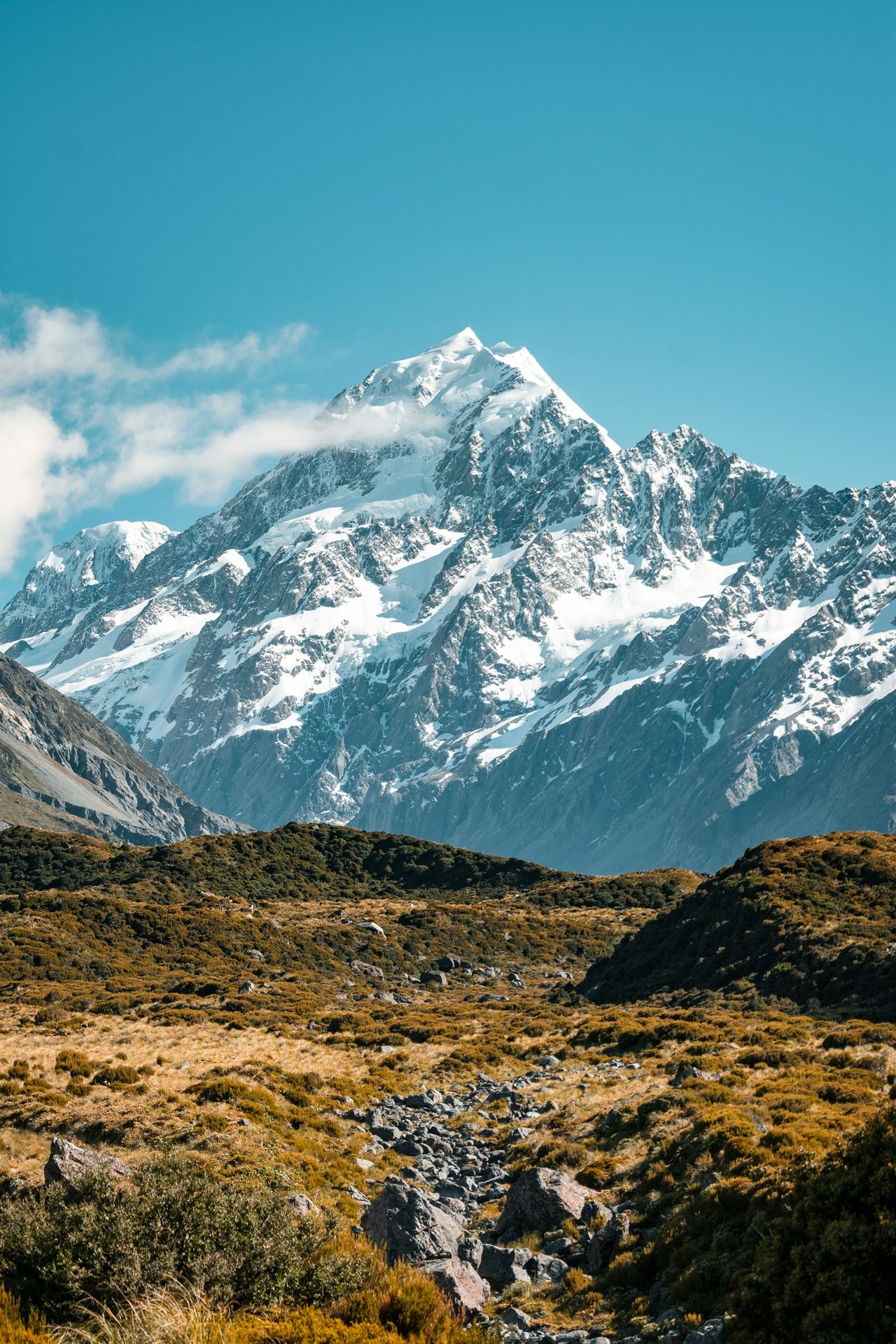
Stretching from the cedar-forested foothills of the Himalayas down across the fertile alluvial basins of the Ganga and Yamuna rivers, North and Central India forms the foundational geographic axis of the subcontinent. Further south across the sacred Narmada River, the landscape elevates into the rugged sandstone plateaus, ancient ravines, and protected sal and teak forests of Central India—a wild, biodiverse geological counterpoint to the expansive northern plains.
For more than three millennia, this corridor served as the crucible of South Asian civilization. Here, foundational philosophies of Hinduism, Buddhism, and Sikhism emerged along sacred riverbanks; imperial dynasties from the Mauryas and Guptas to the Mughals erected celebrated capital cities, monumental stepwells, and marble mausoleums. The resulting heritage is profoundly syncretic—harmonizing Persian geometric symmetry, Central Asian dome engineering, and indigenous stone carving into an architectural language unique on earth.
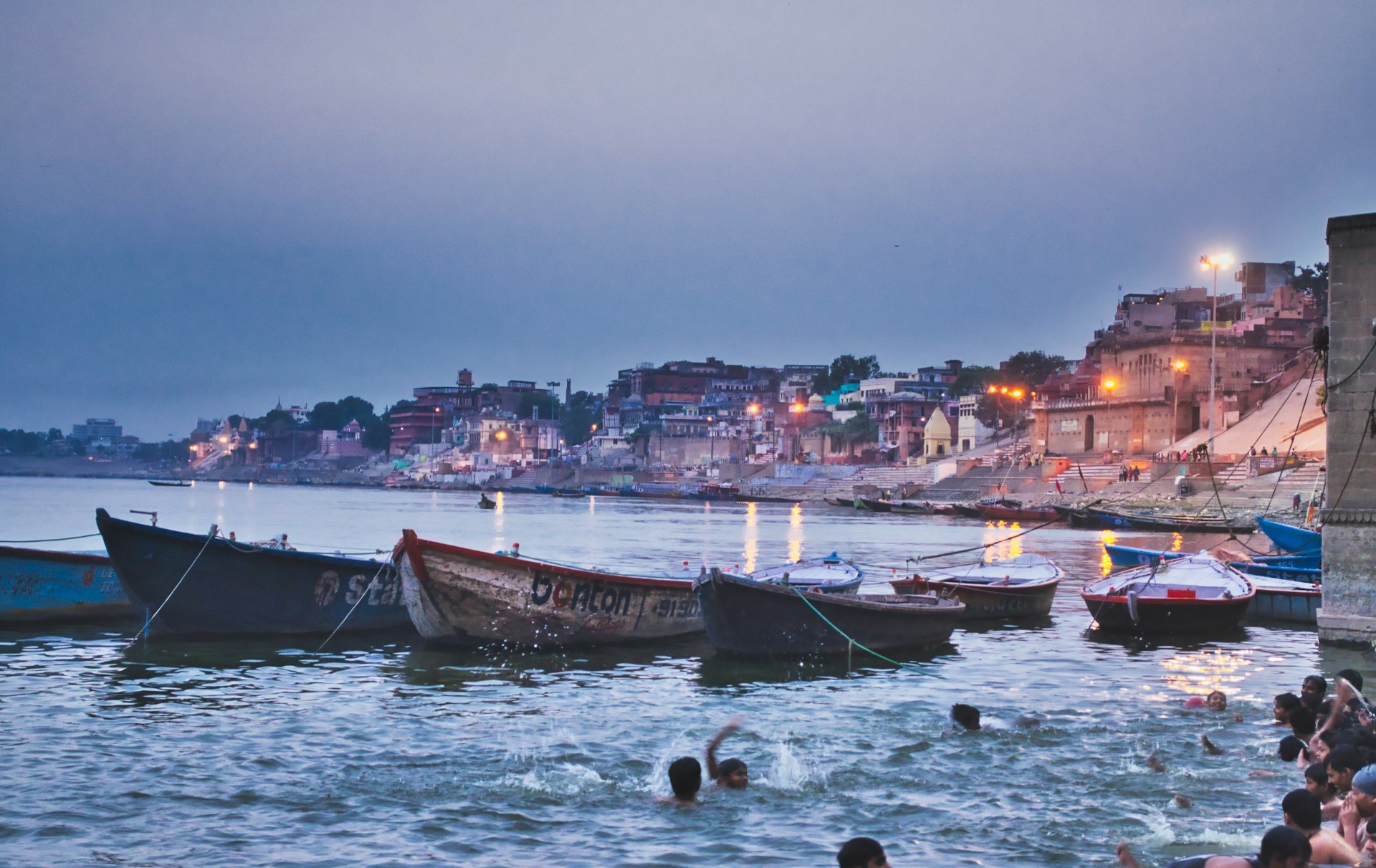
For first-time international visitors, North and Central India provides an indispensable orientation to Bharat. The region gathers together the vibrant sensory pulse of Old Delhi's historic alleys, the living dawn rituals along Varanasi's stone ghats, the gilded communal hospitality of Amritsar's Golden Temple, and the quiet wilderness of Central India's tiger reserves. Here, ancient rituals and continuous traditions are not preserved relics behind glass, but the living rhythms of daily life.
"To understand North and Central India is to witness how five millennia of continuous ritual and daily life coexist: from dawn prayers on Varanasi's stone ghats to the quiet monsoon ramparts of Mandu."
India Unfiltered Editorial DispatchExplore the distinct states, territories, and historical landscapes that comprise North & Central India. For international travelers, this section adds practical context to tourist places in India.
HISTORIC SEAT OF EMPIRES
Eight historic cities layered across one vibrant metropolis. From the monumental Mughal walls of Old Delhi and Humayun's garden tomb to the broad, tree-lined boulevards of New Delhi. This section is especially useful for travelers researching Delhi travel.
SACRED GANGA & MUGHAL SPLENDOR
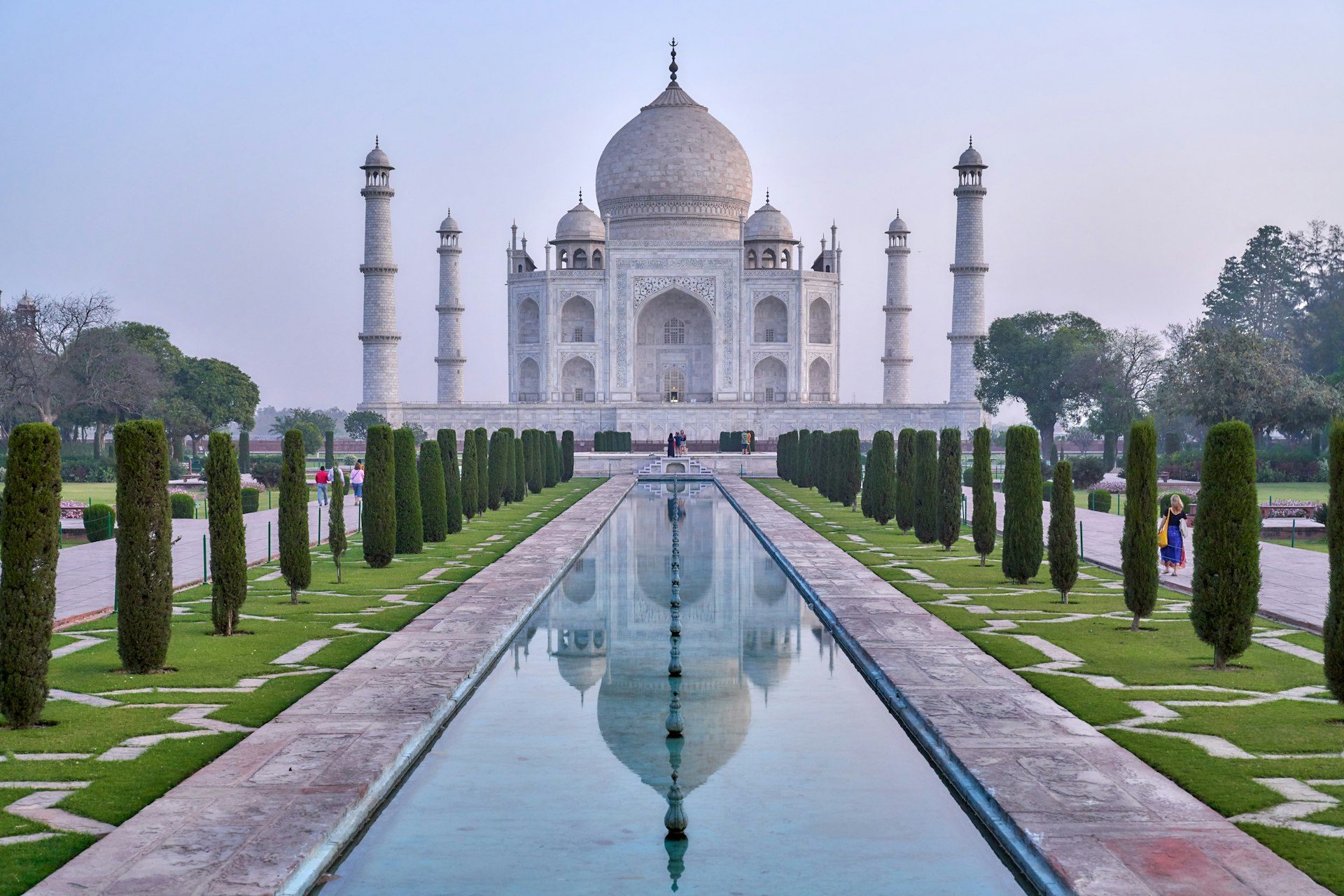
The spiritual spine of the Gangetic plain. Cradles eternal Kashi (Varanasi), the timeless white marble poetry of Agra's Taj Mahal, and the refined Awadhi court cuisine of Lucknow. For international travelers, this section adds practical context to visit India.
DEVBHUMI: LAND OF THE GODS
Where glacial Himalayan meltwaters form the sacred Ganga. Renowned for Rishikesh's quiet riverfront ashrams, classical yoga traditions, and forested alpine pilgrim trails. For international travelers, this section adds practical context to India travel.
GOLDEN GRACE & FERTILE VALLEYS
The fertile land of five rivers, celebrated for the radiant Golden Temple (Harmandir Sahib) in Amritsar, its round-the-clock communal langar kitchen, and exuberant cultural warmth. For international travelers, this section adds practical context to India travel guide.
ANCIENT BATTLEGROUNDS & HERITAGE
An ancient epic crossroad where the philosophical dialogues of the Bhagavad Gita unfolded, known today for heritage craft fairs, bird-rich wetlands, and Mughal terrace gardens. For international travelers, this section adds practical context to India tourism.
THE HEART OF INCREDIBLE INDIA
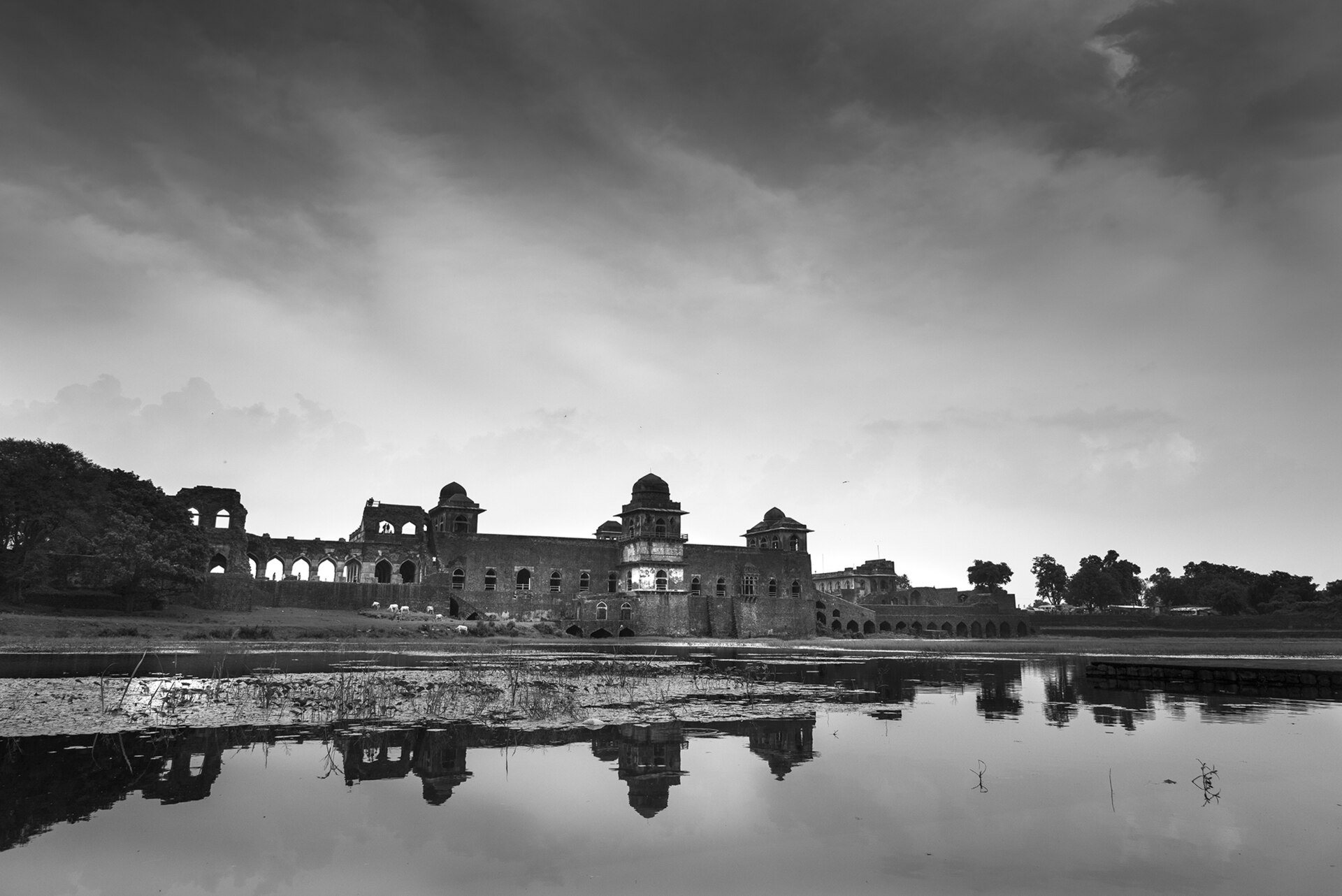
The forested heart of central India, encompassing the medieval UNESCO temple sculptures of Khajuraho, romantic Afghan hilltop ruins of Mandu, and primeval Bengal tiger reserves. For international travelers, this section adds practical context to travel to India.
TRIBAL HEARTLAND & NATURAL WONDERS
A biodiverse, forested plateau famed for the thunderous horseshoe cataract of Chitrakote Waterfalls and the thousand-year-old lost-wax bell-metal (Dhokra) craft of Bastar. For international travelers, this section adds practical context to visit India.
Connect with our dedicated in-depth regional hubs and masterclass routes for this corridor. For international travelers, this section adds practical context to India travel.
Immerse in the living disciplines, classical musical schools, and culinary traditions that define the heartland. For international travelers, this section adds practical context to things to do in India.
SPIRITUAL DISCIPLINES
Witness evening fire ceremonies on Varanasi's Dashashwamedh Ghat and dawn meditation along the cold mountain currents of Rishikesh. This section also gives international visitors practical context for authentic Indian experiences.
Key themes include India travel, India travel guide, tourist places in India, helping international travelers plan an informed and memorable journey.
HISTORIC ARCHITECTURE
Explore symmetrical Persian charbagh gardens, red sandstone ramparts, and white marble Pietra Dura inlays across Delhi, Agra, and Mandu. International travelers can use this section when exploring UNESCO World Heritage sites India.
CLASSICAL DISCIPLINE
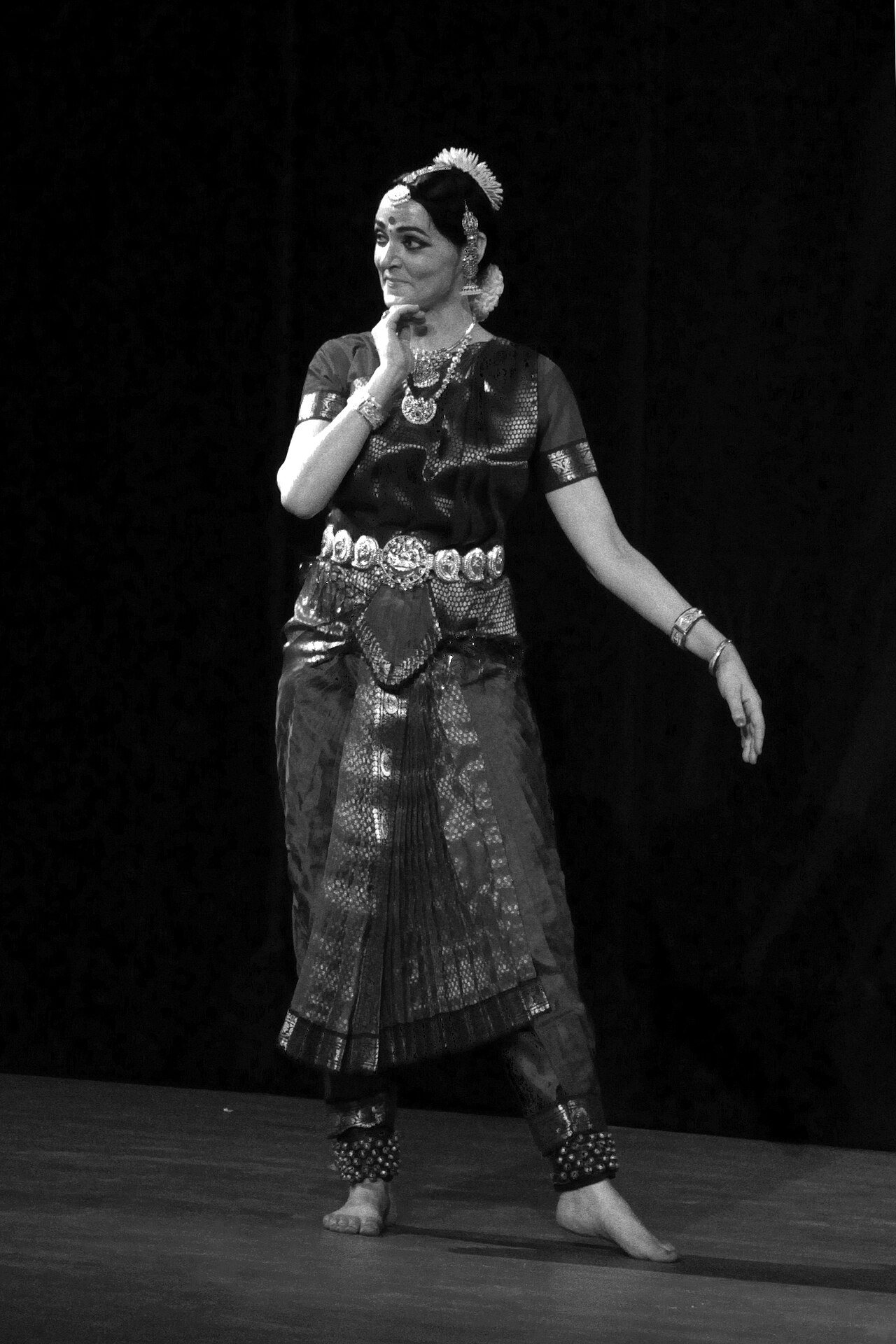
Discover the meditative ragas of Hindustani classical music, ancient Dhrupad vocal traditions, and the rhythmic footwork of Kathak dance. For international travelers, this section adds practical context to India tourism.
CULINARY ARTS
Savor saffron-infused dum pukht slow-cooking sealed in heavy copper deghs, smoky tandoori flatbreads, and centuries-old street delicacies. For international travelers, this section adds useful context to best Indian food to try.
HERITAGE CRAFTS
Encounter master artisans practicing 4,000-year-old Bastar lost-wax bell-metal casting (Dhokra), Banarasi gold zari weaving, and terracotta craft. International travelers can use this section when exploring UNESCO World Heritage sites India.
Firsthand reporting, railway journeys, and thoughtful reflections from wanderers across the northern plains. For international travelers, this section adds practical context to India travel.
CENTRAL HERITAGE DISPATCH
A poetic journey through rain-soaked Afghan arches, monsoon water palaces, and hilltop romance in the secluded highlands of Madhya Pradesh. For international travelers, this section adds practical context to India travel guide.
CULTURAL TRANSIT DISPATCH
Experiencing life unfold across the fertile Gangetic plain from the window of an Indian train: morning chai wallahs, mustard fields, and shared journeys. This things to know before traveling to India resource is designed to help international travelers plan with greater clarity.
FIELD PERSPECTIVES
Firsthand reflections and candid perspectives from curious international travelers navigating sacred ghats, historic bazaars, and rural heartlands. This how to travel in India resource is designed to help international travelers plan with greater clarity.
Concise, practical context to ensure thoughtful preparation and smooth cultural navigation. For international travelers, this section adds practical context to visit India.
October to March offers dry, pleasantly cool weather (12°C–25°C) across northern plains. April to June brings intense dry heat (35°C–44°C), optimal for tiger tracking in Central Indian national parks. Monsoon (July to September) enlivens waterfalls. This cost of traveling to India resource is designed to help international travelers plan with greater clarity.
The high-speed Vande Bharat express network links Delhi to Varanasi, Agra, and Bhopal in record time. Major airports in Delhi (DEL), Lucknow (LKO), and Varanasi (VNS) provide swift regional hops. Private chauffeured cars are ideal for multi-city tours. For international travelers, this section adds practical context to India travel guide.
Always remove footwear before stepping into temples, gurdwaras, mosques, and ashrams. In Sikh gurdwaras, covering your head is mandatory for all visitors. Avoid carrying leather accessories into orthodox inner sanctums. This section also gives international visitors practical context for Indian festivals.
Modest dress covering shoulders, chest, and knees is appreciated throughout the heartlands. Use your right hand when offering or receiving food and currency. Seek verbal permission before photographing devotees in prayer or community elders. This section also gives international visitors practical context for festivals in India.
Distances in North & Central India are substantial. Allow 10–14 days rather than rushing. Cluster itineraries geographically: either the northern Gangetic river corridor (Delhi–Agra–Varanasi) or central wildlife sanctuaries (Bhopal–Mandu–Kanha). This first time traveling to India resource is designed to help international travelers plan with greater clarity.
Discover how the diverse topographies, ancient coastlines, and living traditions of other regions weave together the tapestry of Bharat. For international travelers, this section adds practical context to India travel.
REGIONAL OVERVIEW
Royal Rajput desert citadels, painted Shekhawati havelis, the surreal white salt desert of Kutch, and coastal Goa. For international travelers, this section adds practical context to India travel guide.
REGIONAL OVERVIEW
Towering Dravidian granite gopurams, tranquil palm-shaded backwater houseboats, cardamom hills, and Ayurvedic sanctuaries. For international travelers, this section adds practical context to India tourism.
REGIONAL OVERVIEW
Bio-engineered living root bridges, mist-shrouded tea hills, one-horned rhinos, and eastern Himalayan tribal frontiers. This section is especially useful for travelers researching Northeast India travel.