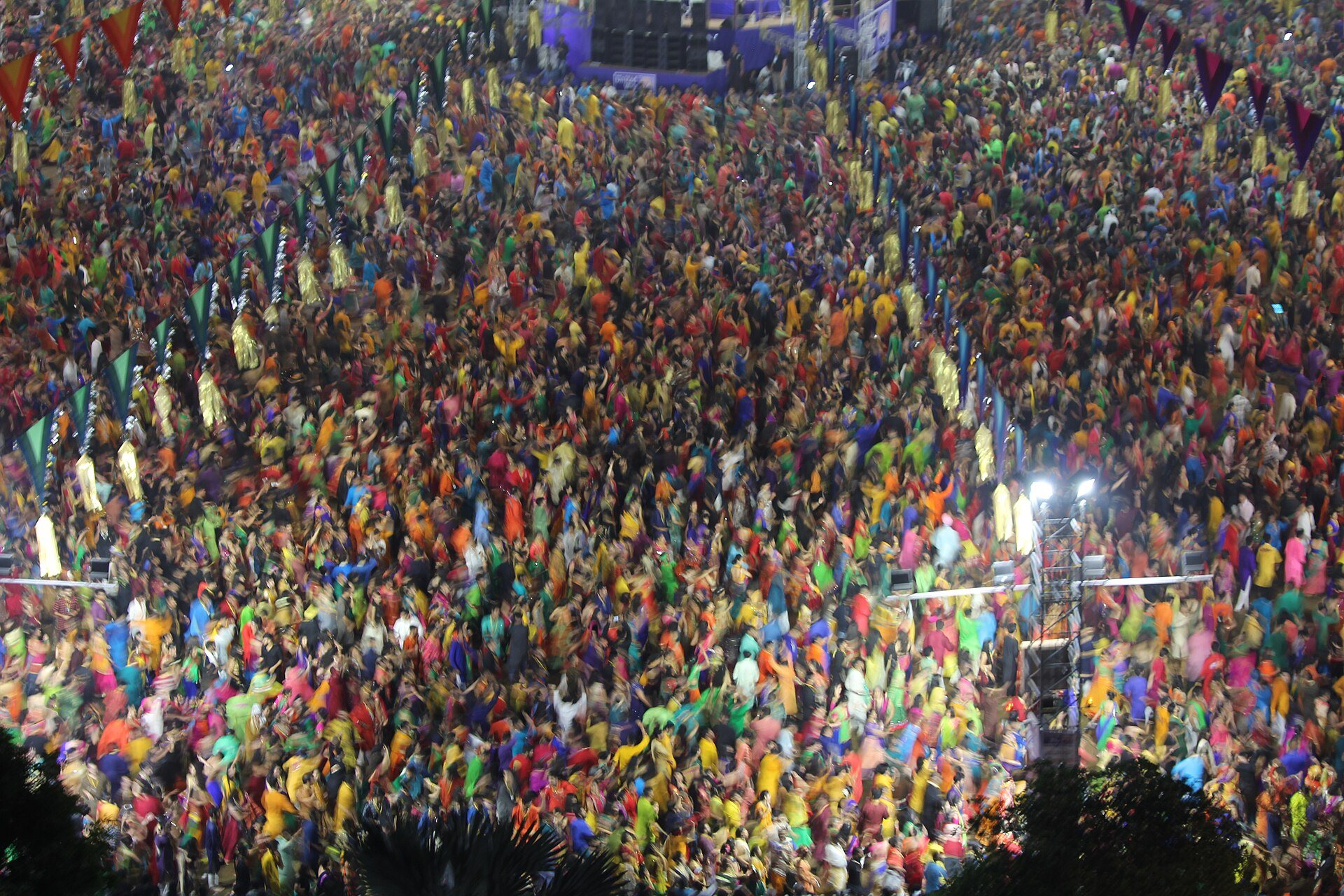
"From desert kingdoms and ancient trade routes to coastal cities, sacred landscapes and modern India."
Explore West India through Rajasthan travel, Rajasthan tourism, Goa travel, and distinctive places to visit in Rajasthan as part of a wider India travel experience.
An ancient maritime gateway and desert frontier where medieval chivalric citadels overlook the Arabian Sea.
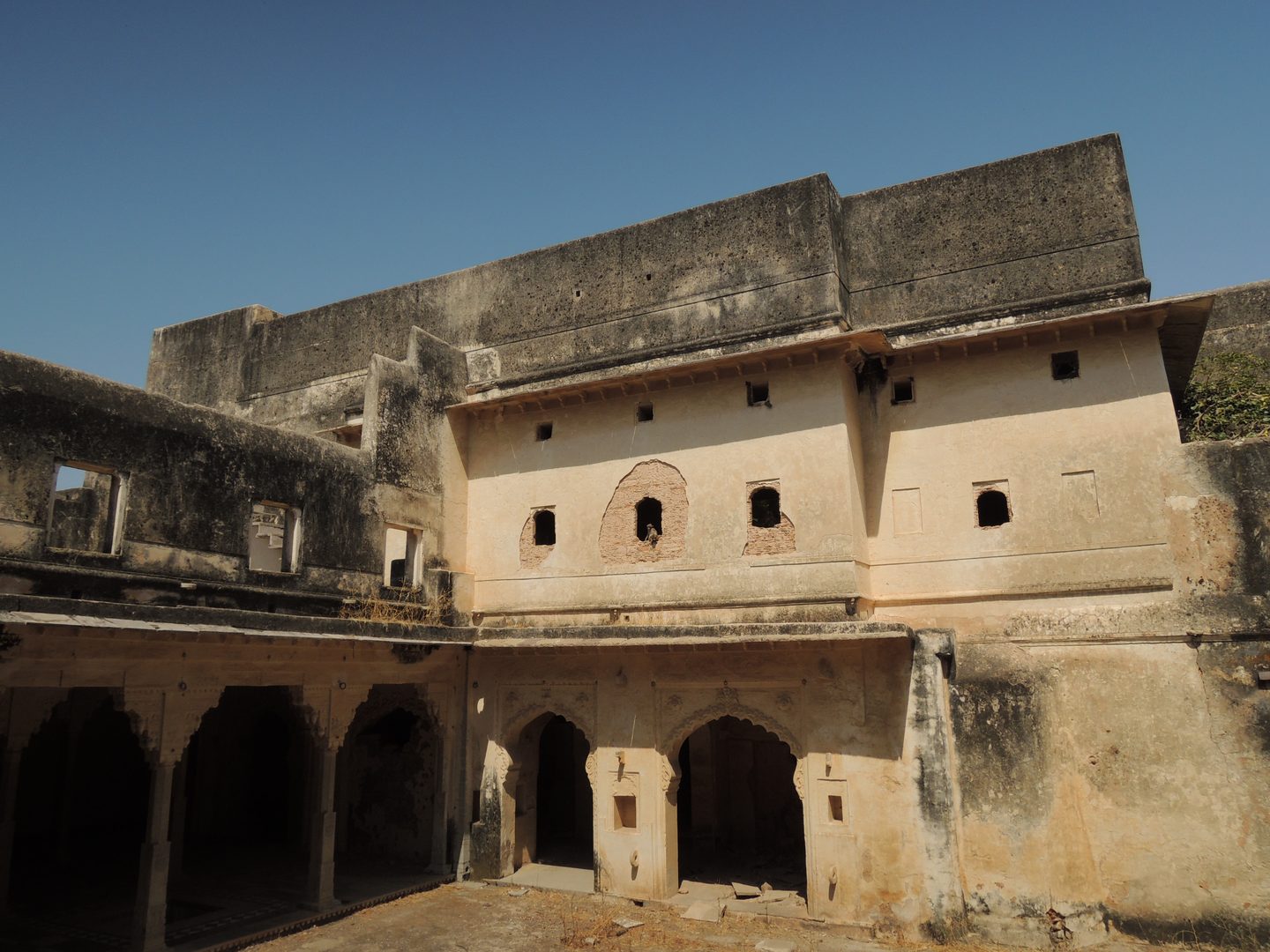
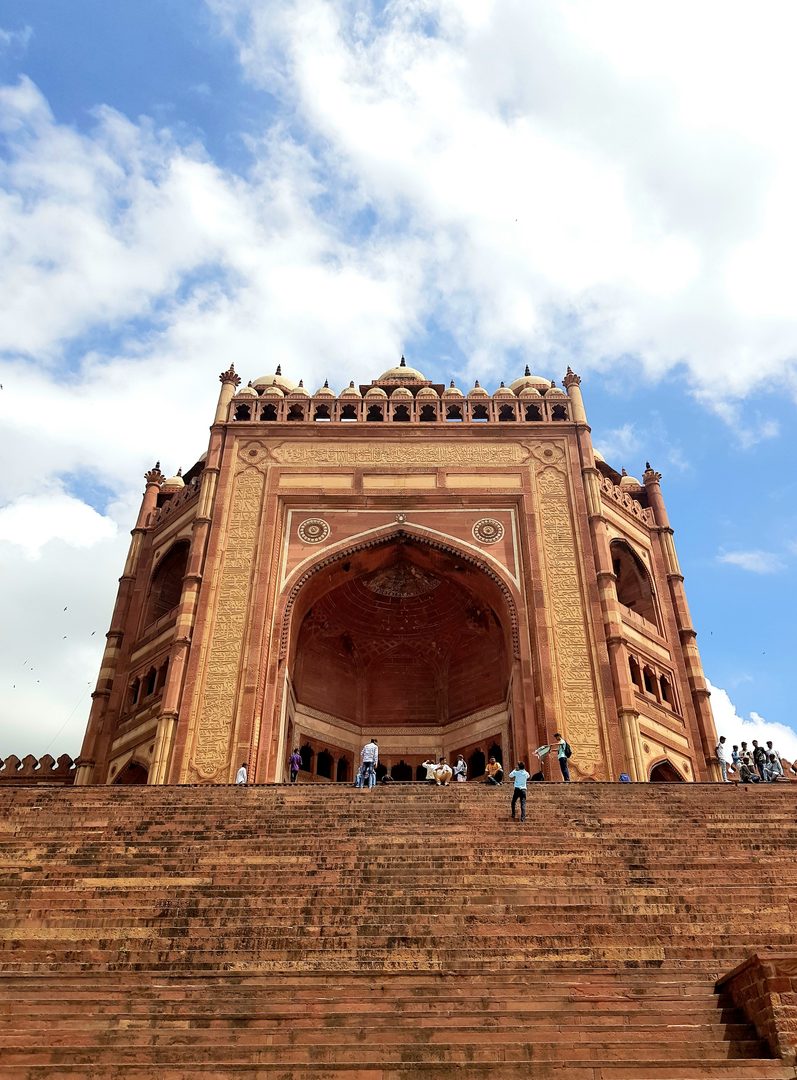
West India is defined by geological extremes and profound cultural counterpoints. To the north, the arid expanse of the Thar Desert gives way to the monumental sandstone bastions, painted merchant havelis, and royal palaces of Rajasthan. Here, Rajput clans carved an enduring architectural civilization out of stone, designing deep subterranean stepwells and hilltop citadels that transformed an inhospitable terrain into a theater of living chivalry, folk music, and vibrant textile artistry.
Moving south across the salt crusts of Kutch and the fertile coastal plains of Gujarat, the landscape shifts from desert frontier to ancient global maritime crossroads. For millennia, Gujarat's merchant guilds and artisan communities traded indigo, spices, and double-ikat silk across the Arabian Sea, fostering an ethos of enterprise and non-violence. Further south along the Sahyadri mountains, Maharashtra pairs ancient basalt rock-cut cave temples with the relentless commercial and cinematic energy of Mumbai, the country's most dynamic metropolis.
Where the Western Ghats tumble down into the Arabian Sea lies Goa, presenting a distinct cultural character shaped by four centuries of Indo-Portuguese syncretism. Between whitewashed Baroque church towers, riverine spice estates, and serene coconut groves, daily life moves to the relaxed cadence of susegad. For foreign travelers, West India offers an extraordinary journey across desert dunes, ancient trade routes, bustling urban harbors, and unhurried coastal villages.
"West India is a dialogue between desert silence and coastal motion: from the golden battlements of Jaisalmer to the suburban railway pulse of Mumbai and the quiet palm-shaded shores of Goa."
India Unfiltered Editorial DispatchExplore the distinct states, territories, and historical landscapes that define West India.
ROYAL CITADELS & THAR DUNES
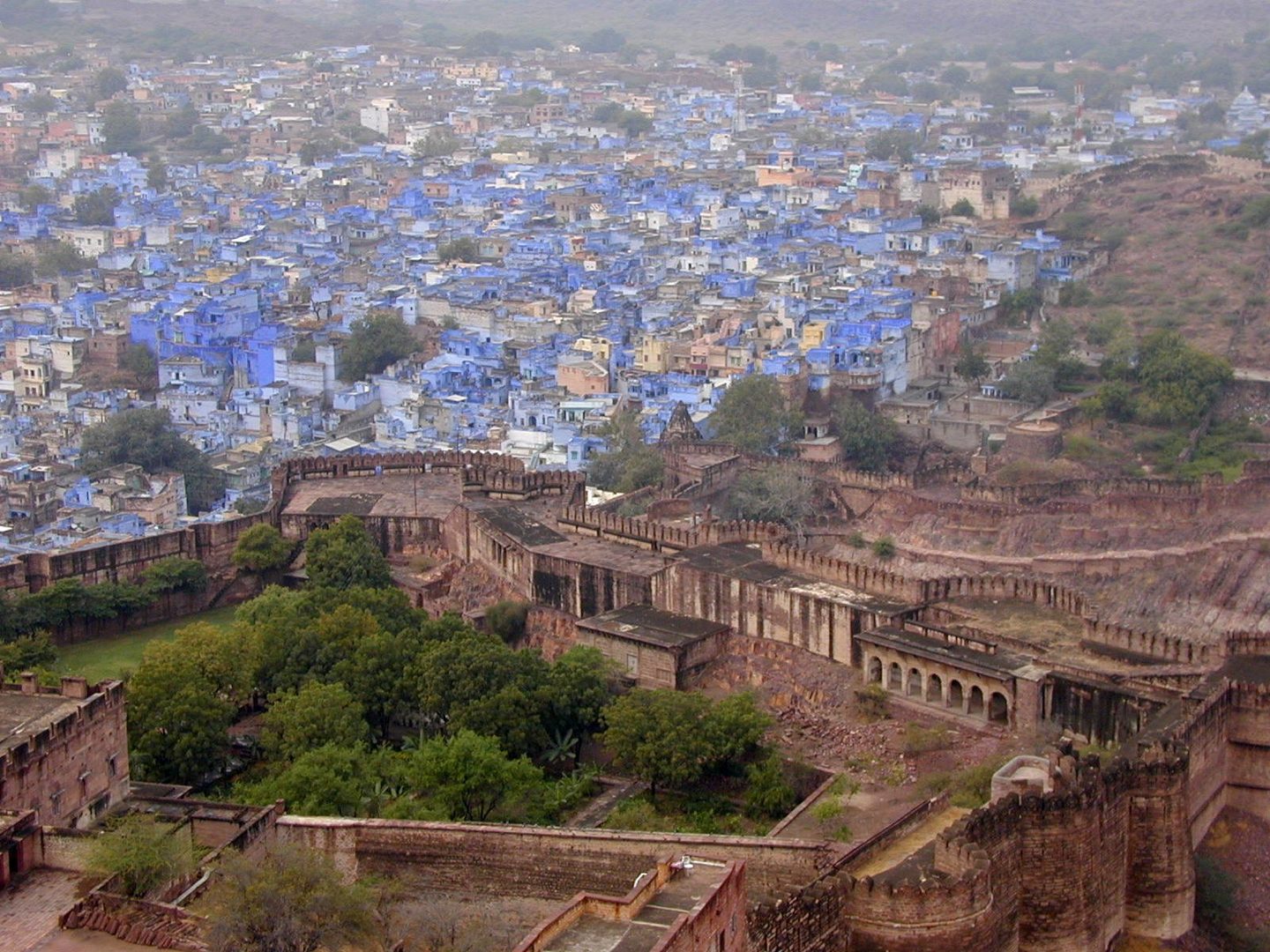
The legendary desert realm of Rajput kingdoms. From Jaipur's terracotta palaces and Jodhpur's cobalt blue alleys to Udaipur's serene lake architecture, painted Shekhawati havelis, and Jaisalmer's golden living fortress.
TEXTILE GUILDS & WHITE DESERT
A historic maritime trade corridor celebrated for intricate artisan crafts, Patola double-ikat weaving, the surreal white salt desert of Kutch, subterranean UNESCO stepwells, and the last wild sanctuary of Asiatic lions.
MAXIMUM CITY & BASALT CAVES
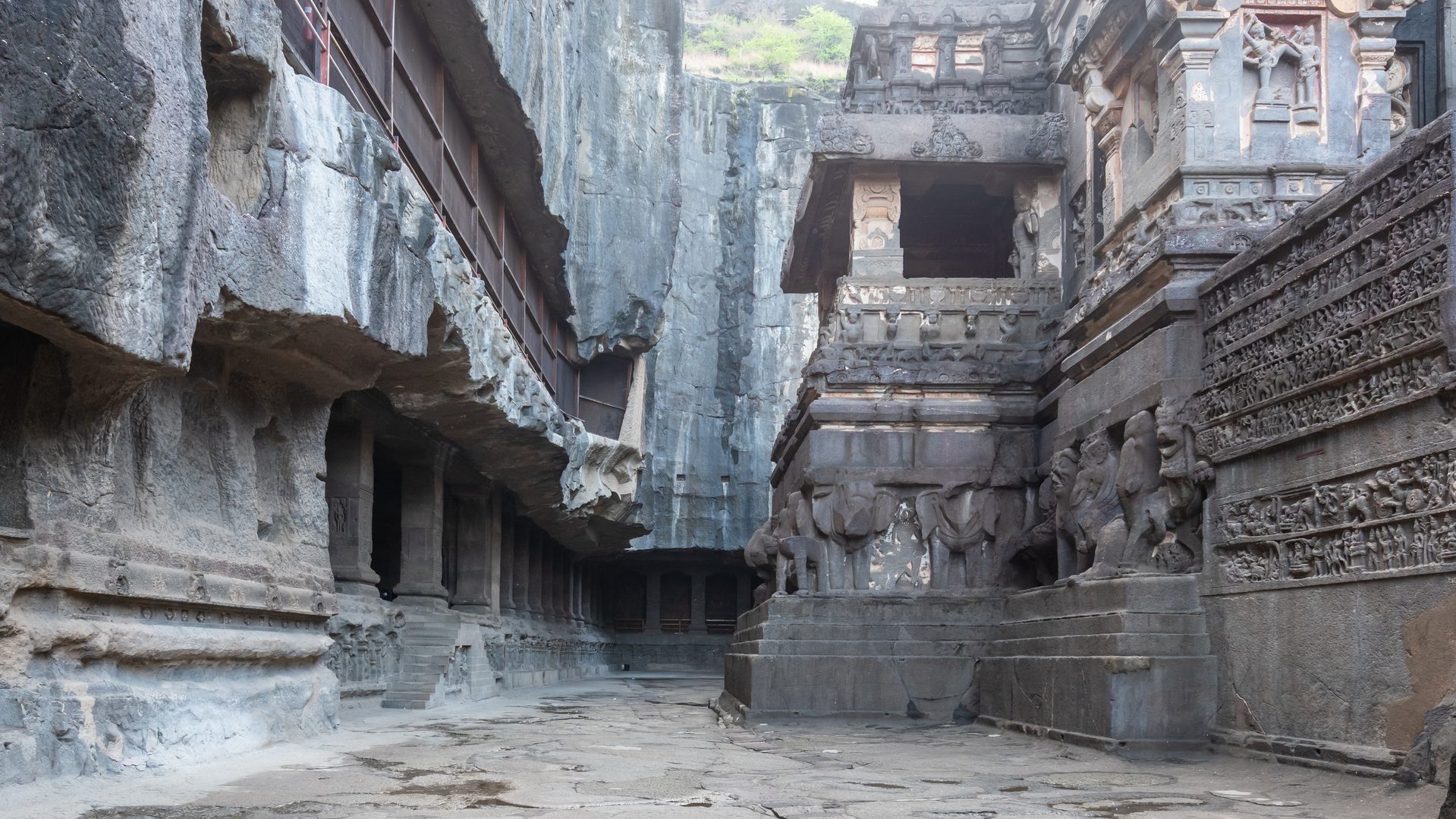
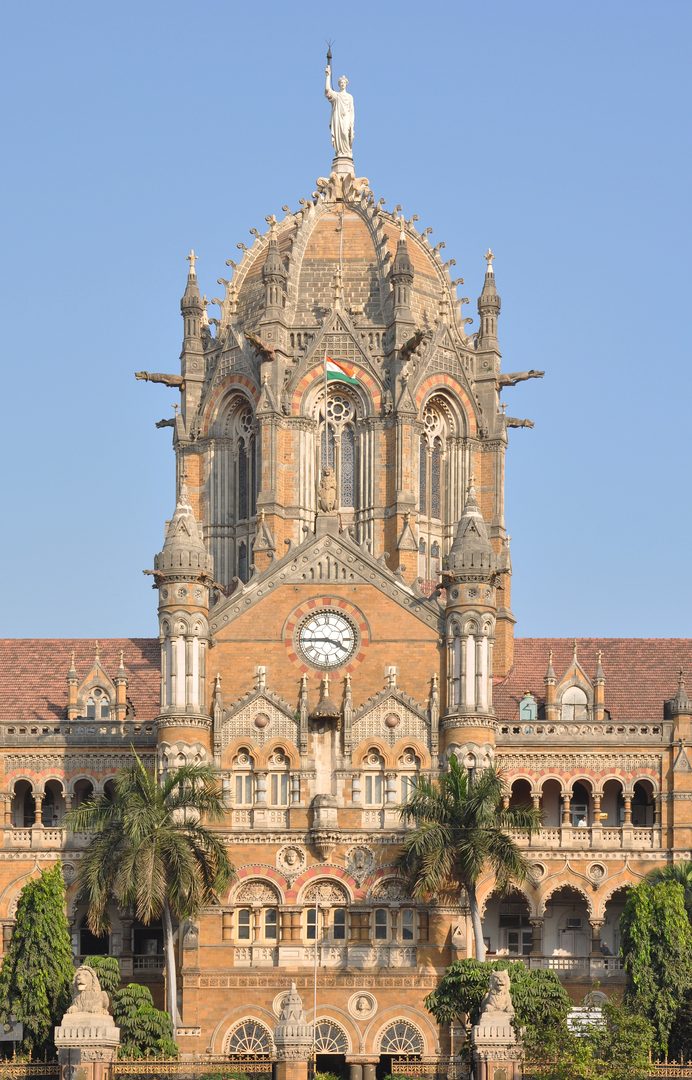
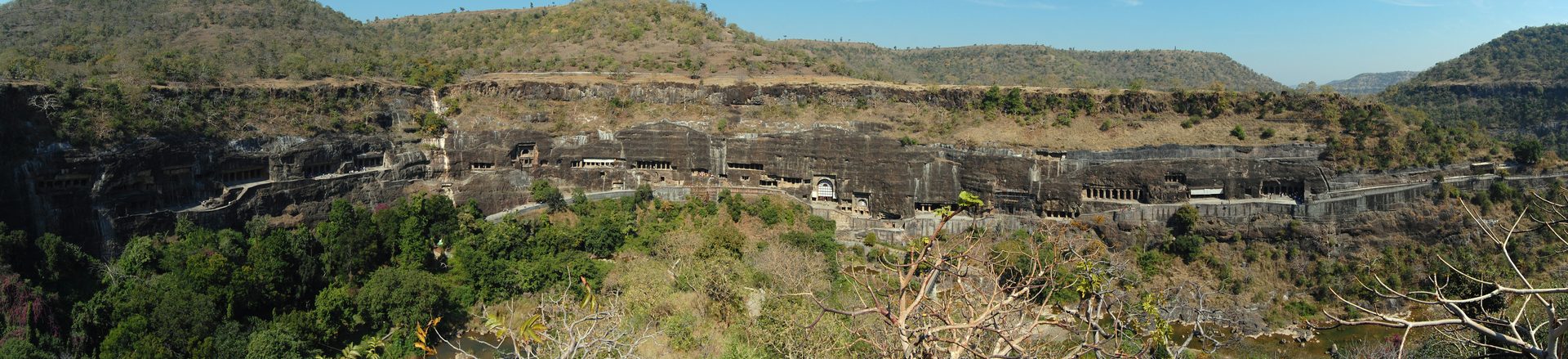
From Mumbai's electrifying Victorian Gothic coastal energy, dabbawala precision, and street food corridors to the ancient rock-cut Buddhist and Hindu cave sanctuaries of Ajanta and Ellora, and rugged Sahyadri hill forts.
COASTAL SUSEGAD & HERITAGE
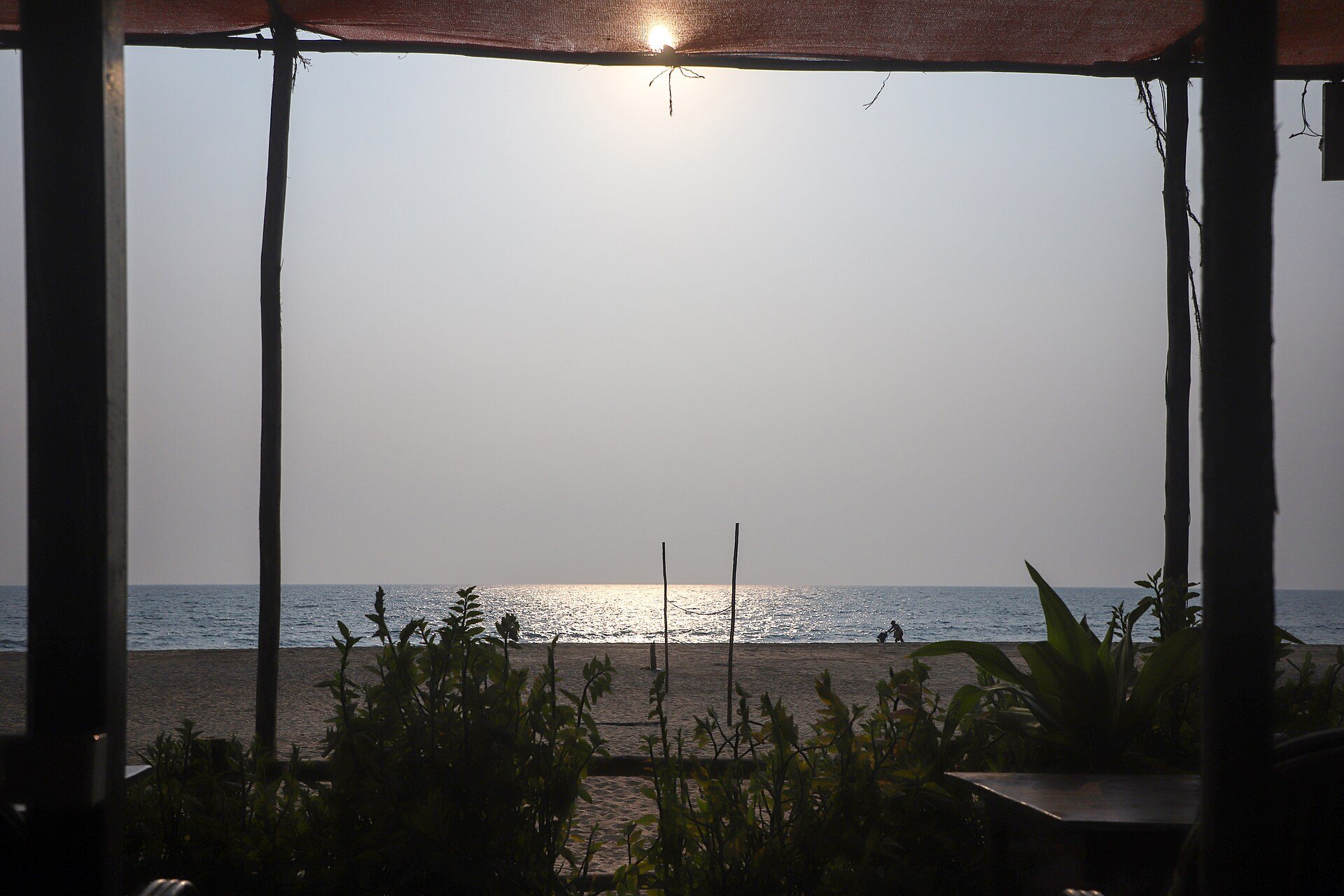
Centuries of Indo-Portuguese syncretism. Celebrated for 16th-century UNESCO Baroque basilicas in Old Goa, colorful Fontainhas Latin Quarter villas, lush interior spice plantations, and peaceful Arabian Sea shores.
Connect with our dedicated in-depth routes and comprehensive regional hubs across the west.
Immerse in the artisan guilds, desert musical lineages, and regional culinary cultures that define western India.
FOLK HERITAGE
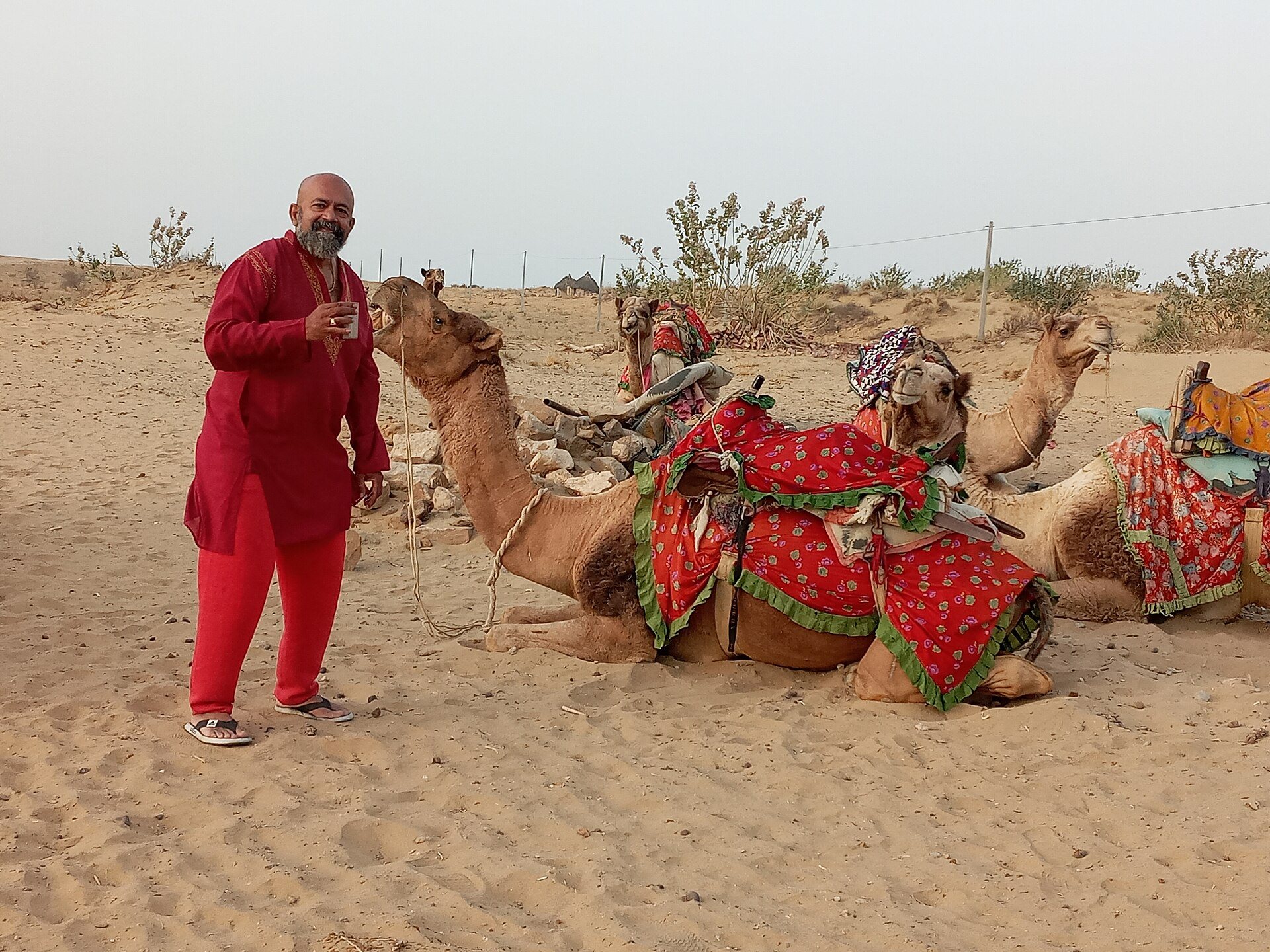
Encounter hereditary Manganiyar and Langa bardic musicians singing desert poetry beneath starlit dunes, and explore the camel breeding lore of the pastoral Raika people.
ARTISAN GUILDS
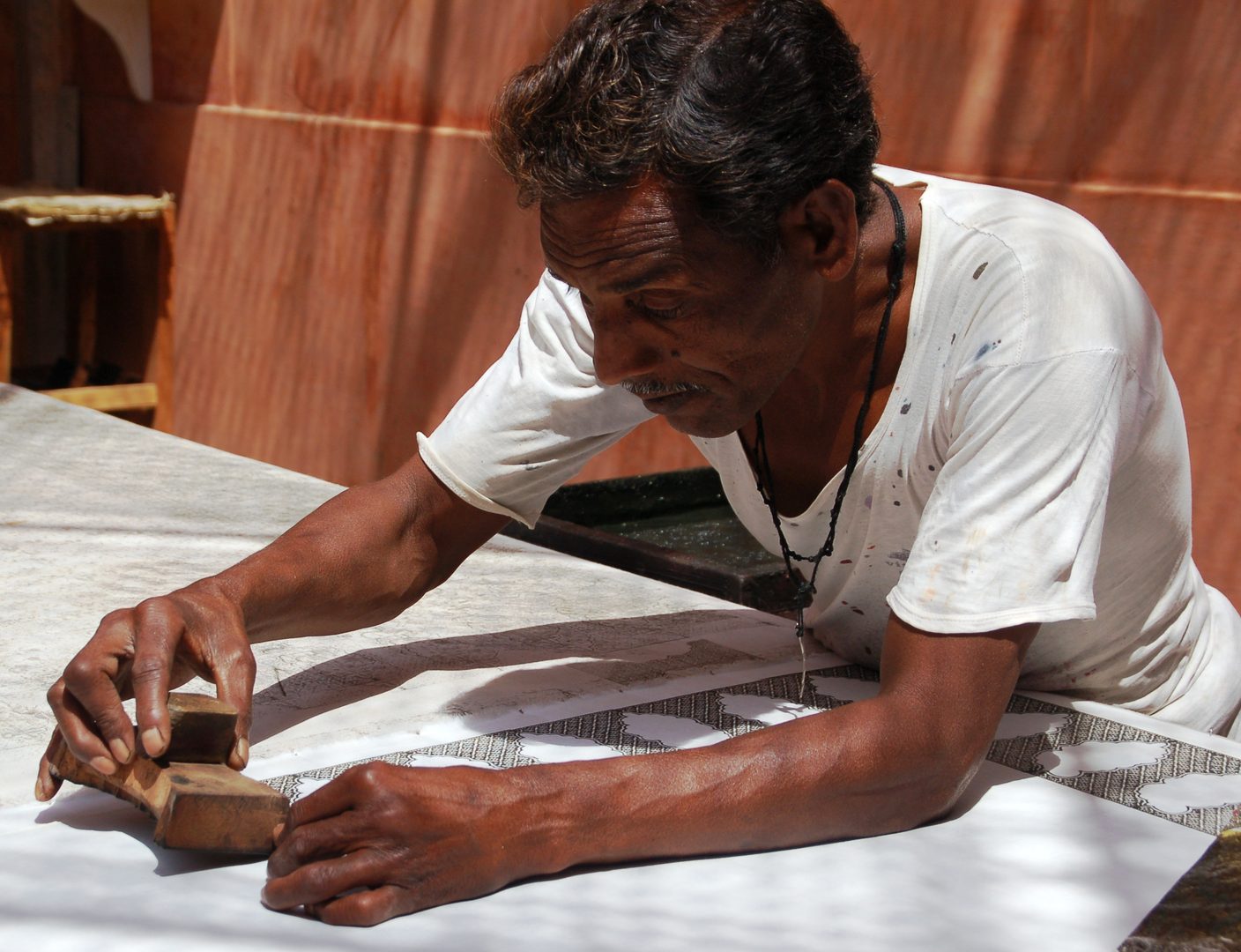
Discover 500-year-old Bagru mud-resist Dabu printing, natural indigo fermentation vats, Bandhani tie-dye in Kutch, and double-ikat Patola silk weaving in Patan.
STONE ARCHITECTURE
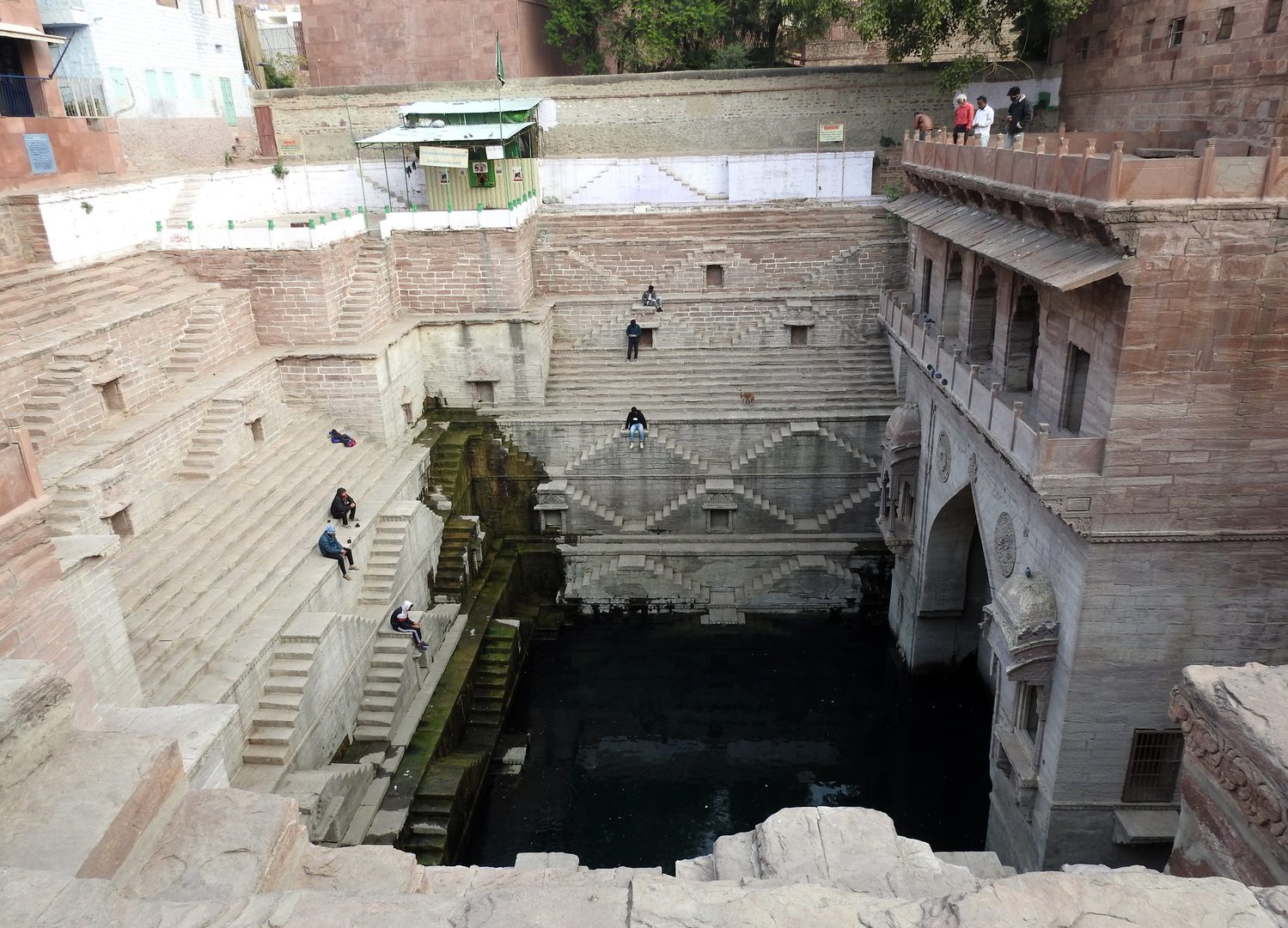
Descend into seven-story subterranean stepwells designed to harvest precious monsoon waters, and walk the perimeter ramparts of UNESCO Rajput hill citadels.
GASTRONOMY
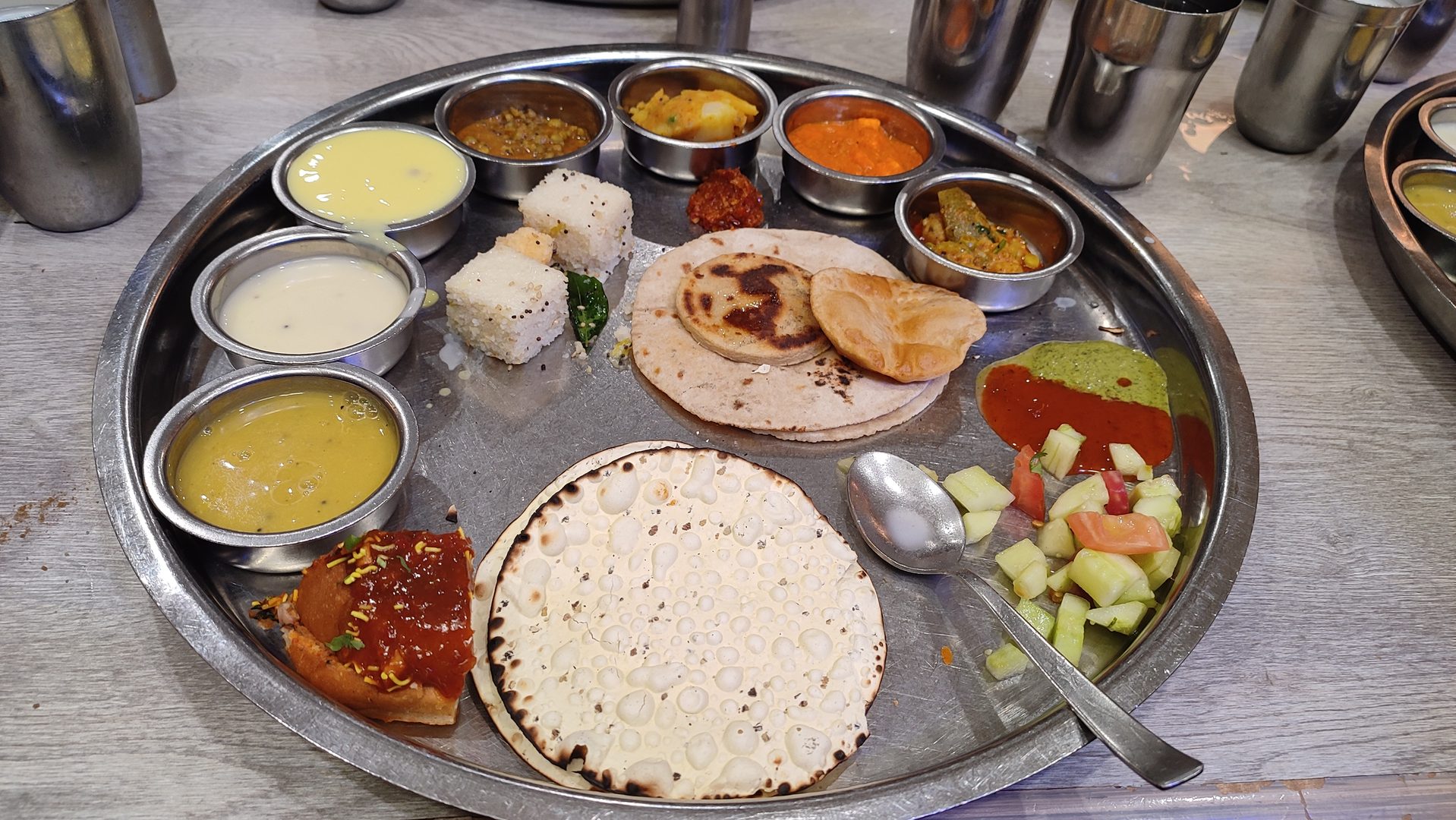
From desert ghee delicacies (Dal Baati Churma, fiery Laal Maas) to Gujarat's delicate sweet-savory vegetarian thalis, Mumbai Pav Bhaji, and Goan coconut-kokum seafood curries.
URBAN ETHNOGRAPHY
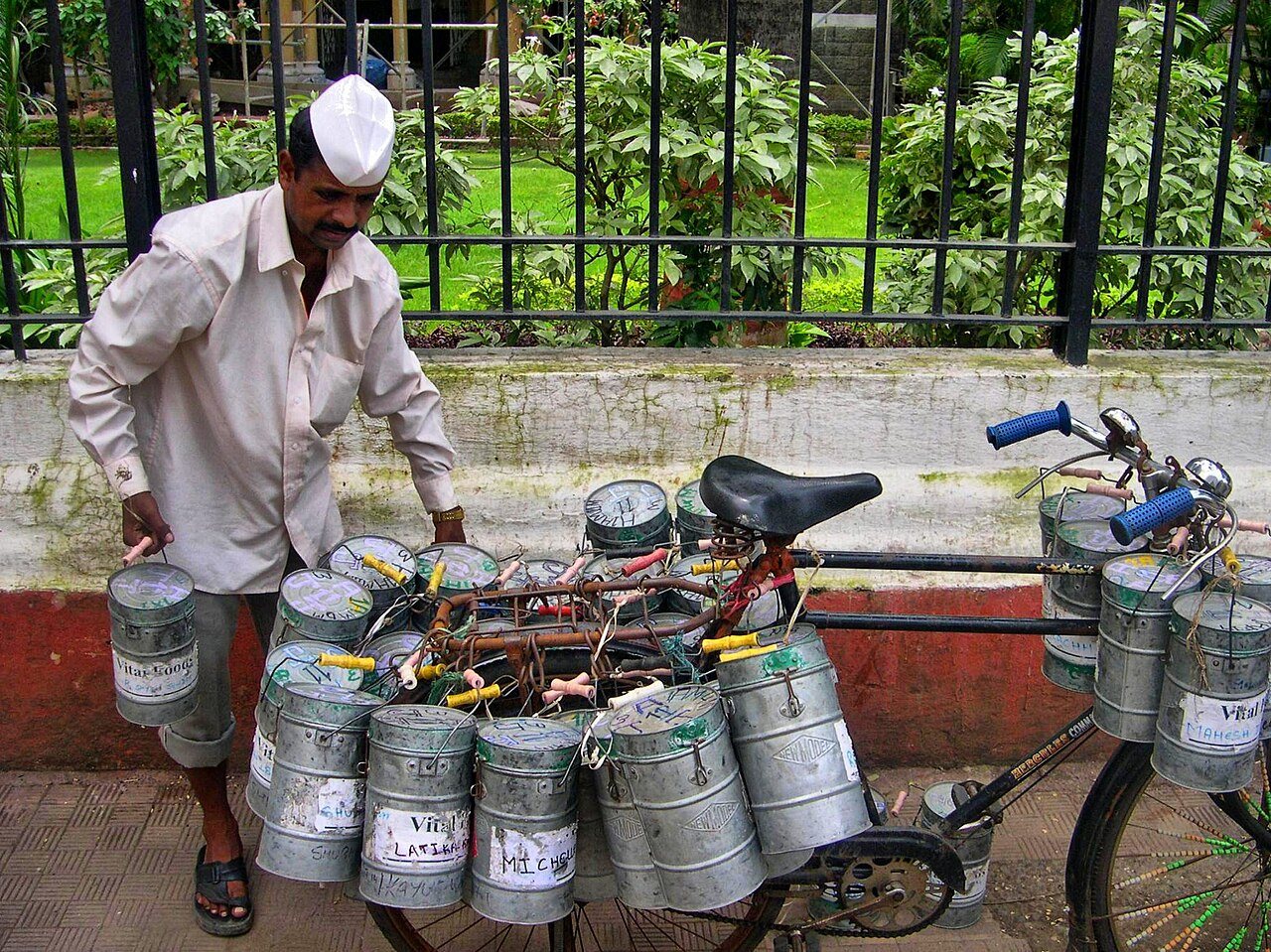
Navigate Mumbai's UNESCO Victorian Gothic streetscapes, evening chai stalls along Marine Drive, historic Parsi bakeries, and the legendary community logistics of the dabbawalas.
Key themes include Goa travel, India travel, places to visit in Rajasthan, helping international travelers plan an informed and memorable journey.
Firsthand reporting, logistical wonders, and thoughtful reflections from wanderers across the western lands.
URBAN DISPATCH
How 5,000 delivery men transport 200,000 hot home-cooked tiffins through Mumbai's suburban trains every day with near-zero error rates without computers or barcodes.
FIELD MEMOIRS
Candid, unvarnished perspectives from foreign visitors navigating painted merchant havelis in Shekhawati, desert camel caravans, and quiet Goan coves.
PHOTO EXHIBITION
A curated photographic journey through the intense cobalt facades of Jodhpur, the blinding crystalline salt flats of Kutch, and crimson sunset tones over Arabian shores.
West India cannot be reduced to a single monolithic culture. It is an extraordinary convergence of three contrasting environments, each shaping distinct architecture, rhythms of daily life, and subcontinental worldviews.
Across the Thar and the white crystalline salt crusts of Kutch, life has been shaped by an ancient intimacy with scarcity. Communities engineered marvels of water architecture—subterranean stepwells (baolis and vavs) descending multiple stories into the earth with carved stone galleries. Rajput clans built sandstone citadels that emerge like natural plateaus from the sand, while desert pastoralists developed some of India's most vibrant textile arts to bring brilliant color against the sun-bleached desert dunes.
Stretching from Gujarat's ancient merchant ports down the rugged Konkan shoreline to the palm-shaded estuaries of Goa, the coast lives to the rhythms of the Arabian Sea. For two millennia, dhows carried spices, teak, and textiles to Arabia and East Africa. In Goa, four centuries of Portuguese contact synthesized into a unique Indo-Latin culture: whitewashed Baroque chapels beside coconut groves, tiled courtyard villas, and the unhurried philosophy of susegad—a quiet contentment that prioritizes peace above haste.
Mumbai is the financial heartbeat and creative crucible of modern India. Built across seven reclaimed islands, it gathers together twelve distinct languages and millions of dreamers within its Victorian Gothic and Art Deco streetscapes. Here, tradition and hyper-modernity operate without friction: century-old Parsi cafes and dabbawalas delivering home-cooked meals by train coexist with the world's most prolific film industry and cutting-edge art galleries. It is West India's forward-looking, cosmopolitan soul.
Concise, practical context to ensure thoughtful preparation and smooth cultural navigation across the western region.
October to March provides ideal dry weather (15°C–28°C) across Rajasthan and Gujarat, with winter highlights like the Pushkar Camel Fair (Nov) and Rann Utsav (Dec–Feb). Coastal Goa is most comfortable November to February. Inland summers (April–June) exceed 42°C and are best avoided.
Expect extreme temperature swings in the Thar: bright, sunny days followed by sharply cold desert nights (pack a warm layer or pashmina). Conversely, coastal Mumbai and Goa remain humid and warm year-round, requiring lightweight, breathable cotton clothing and sun protection.
Distances across the west are substantial (Mumbai to Jaipur is 1,150 km). Avoid attempting both the desert interior and coastal south in under 10 days. Cluster itineraries into either a 10-day Rajasthan circuit or an Arabian coastal journey (Mumbai–Konkan–Goa).
High-speed Vande Bharat express trains connect Mumbai to Goa (8 hrs) and Ahmedabad (5.5 hrs). Domestic flights link BOM, JAI, UDR, AMD, and GOI smoothly. For city-to-city palace touring in Rajasthan, private chauffeured cars provide unmatched comfort and flexibility.
Modest dress covering shoulders and knees is appreciated in towns and temples. Leather items are strictly forbidden inside Jain temples. In Goa, beachwear is for the sand only. Always request verbal permission before photographing artisans, devotees, or village elders.
West India is only one part of the story. Follow the map east, south or back toward India's northern heartland.
REGIONAL OVERVIEW
The sacred Gangetic river plains, Mughal architectural poetry in Delhi and Agra, gilded Sikh shrines, and wild tiger reserves of Madhya Pradesh.
REGIONAL OVERVIEW
Towering Dravidian granite gopurams, tranquil palm-shaded backwater houseboats, cardamom hills, and Ayurvedic sanctuaries.
REGIONAL OVERVIEW
Bio-engineered living root bridges, mist-shrouded tea hills, one-horned rhinos, and eastern Himalayan tribal frontiers.