"Where ancient cultures, sacred landscapes, tea country and some of India's most distinctive traditions meet." This section is especially useful for travelers researching Northeast India travel.
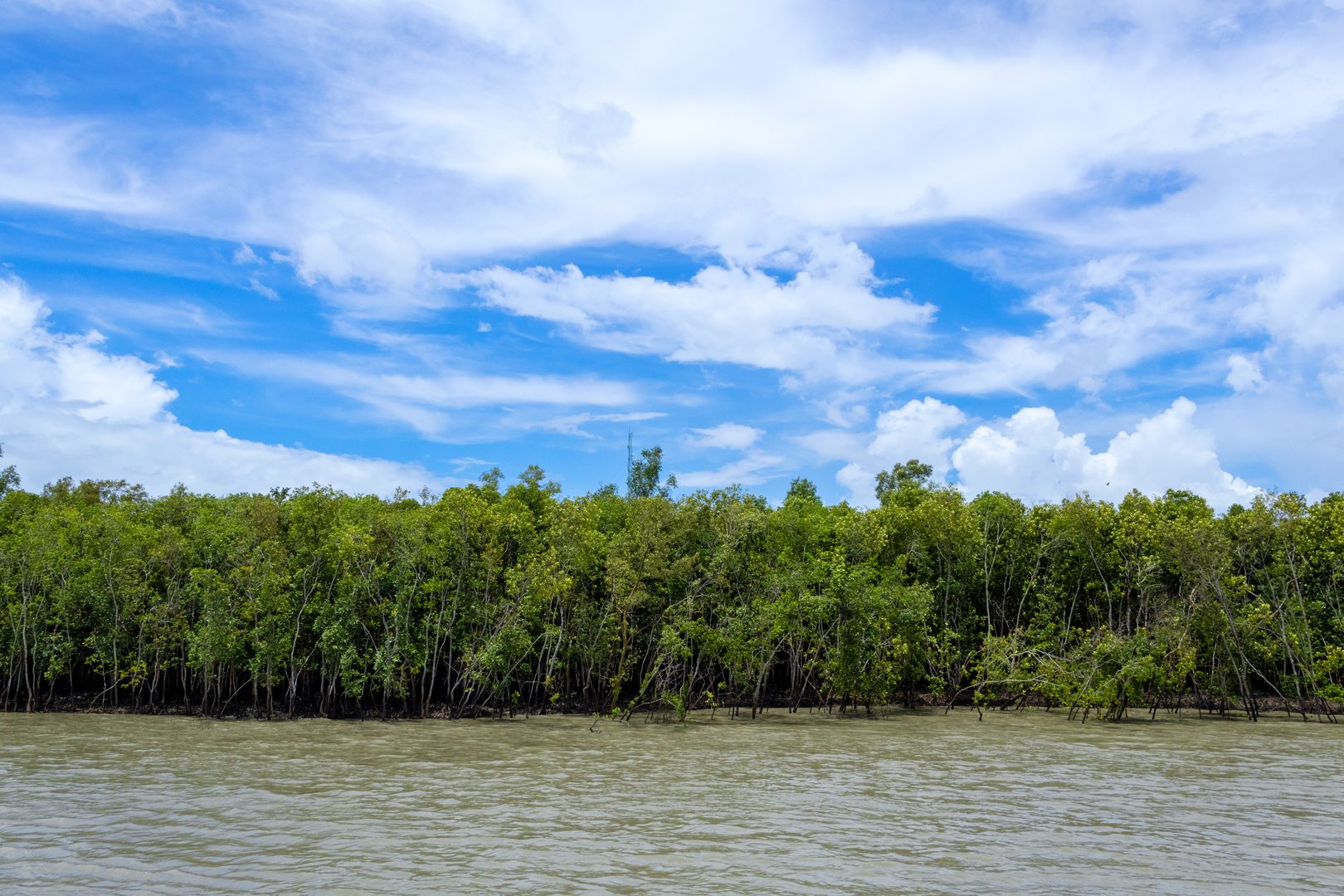
From the cultural richness of Bengal and Odisha to the tea-covered hills and living traditions of the Northeast, this region reveals an India shaped by forests, rivers, mountains, faith and extraordinary cultural diversity. This section also gives international visitors practical context for Indian culture and traditions.
Stretching from the mangrove-fringed Sundarbans delta on the Bay of Bengal to the mist-swathed ridges of the Eastern Himalayas, East & Northeast India forms one of the most culturally layered and geographically dramatic expanses of the subcontinent. In the fertile floodplains of the Ganges and Brahmaputra, centuries of philosophical inquiry, classical literature, and revolutionary artistic movements flourished in Kolkata, ancient Buddhist monastic universities rose in Nalanda, and monumental stone chariot temples were carved along the sacred shores of Konark.
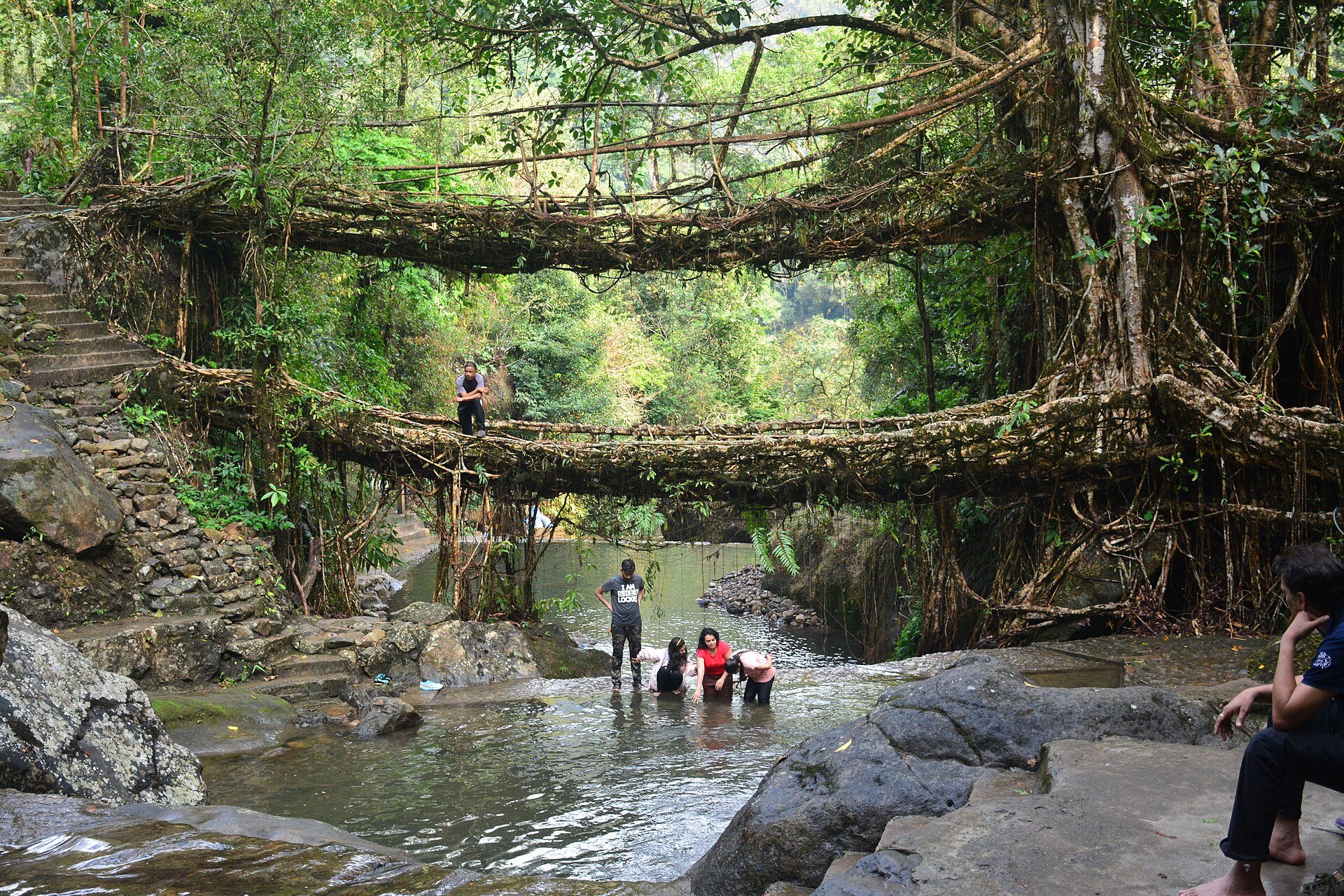
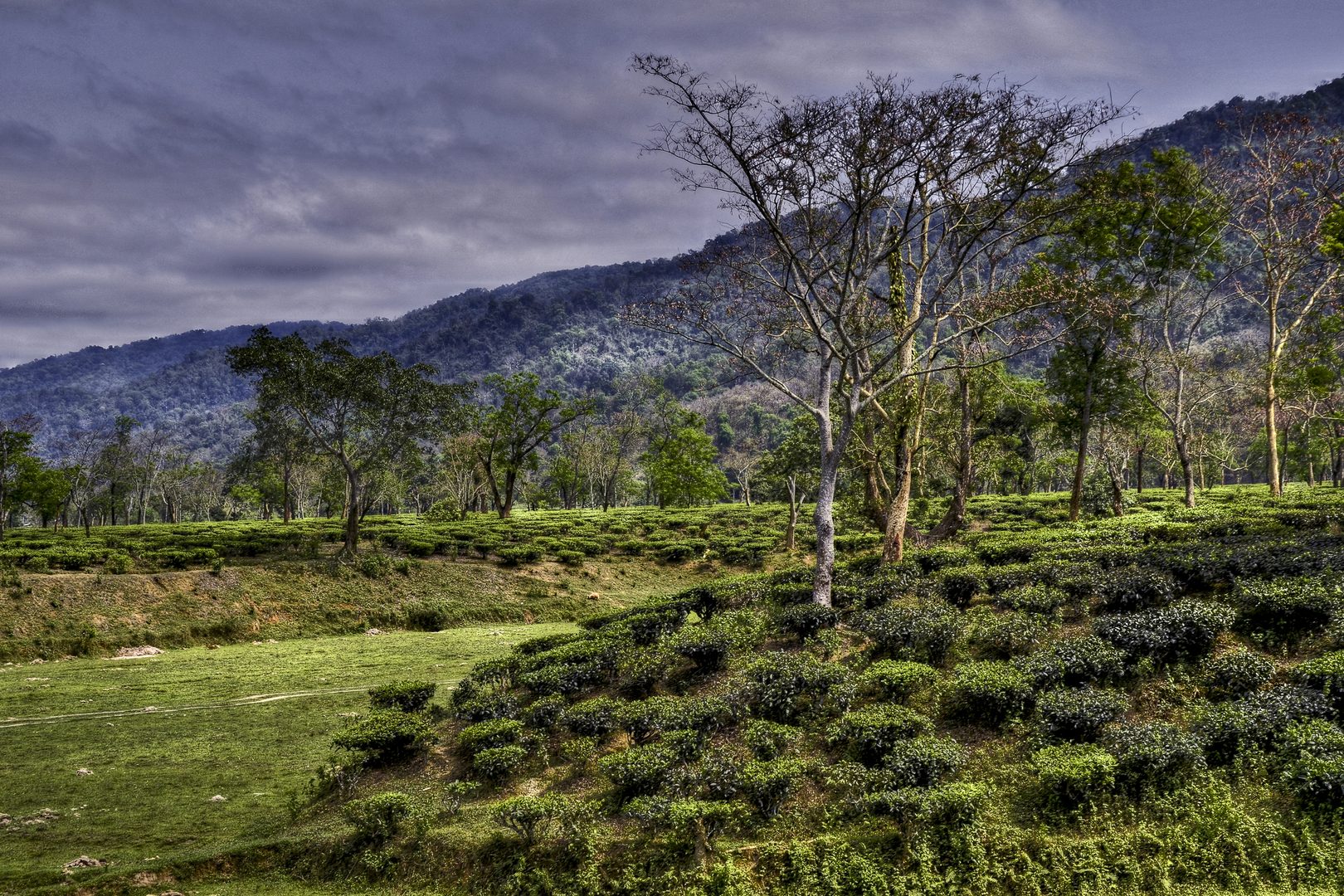
Beyond the slender Siliguri corridor, the terrain transforms into the extraordinary realm of the Northeast—a geographic mosaic of eight states home to more than two hundred distinct indigenous linguistic and ethnic communities. Here, in the cloud-draped rainforests of Meghalaya, indigenous Khasi communities cultivate botanical infrastructure by training living tree roots across canyon rivers. Across the rolling Brahmaputra valley of Assam, emerald tea plantations meet the tall elephant grass of Kaziranga, shelter to two-thirds of the world's great one-horned rhinoceroses.
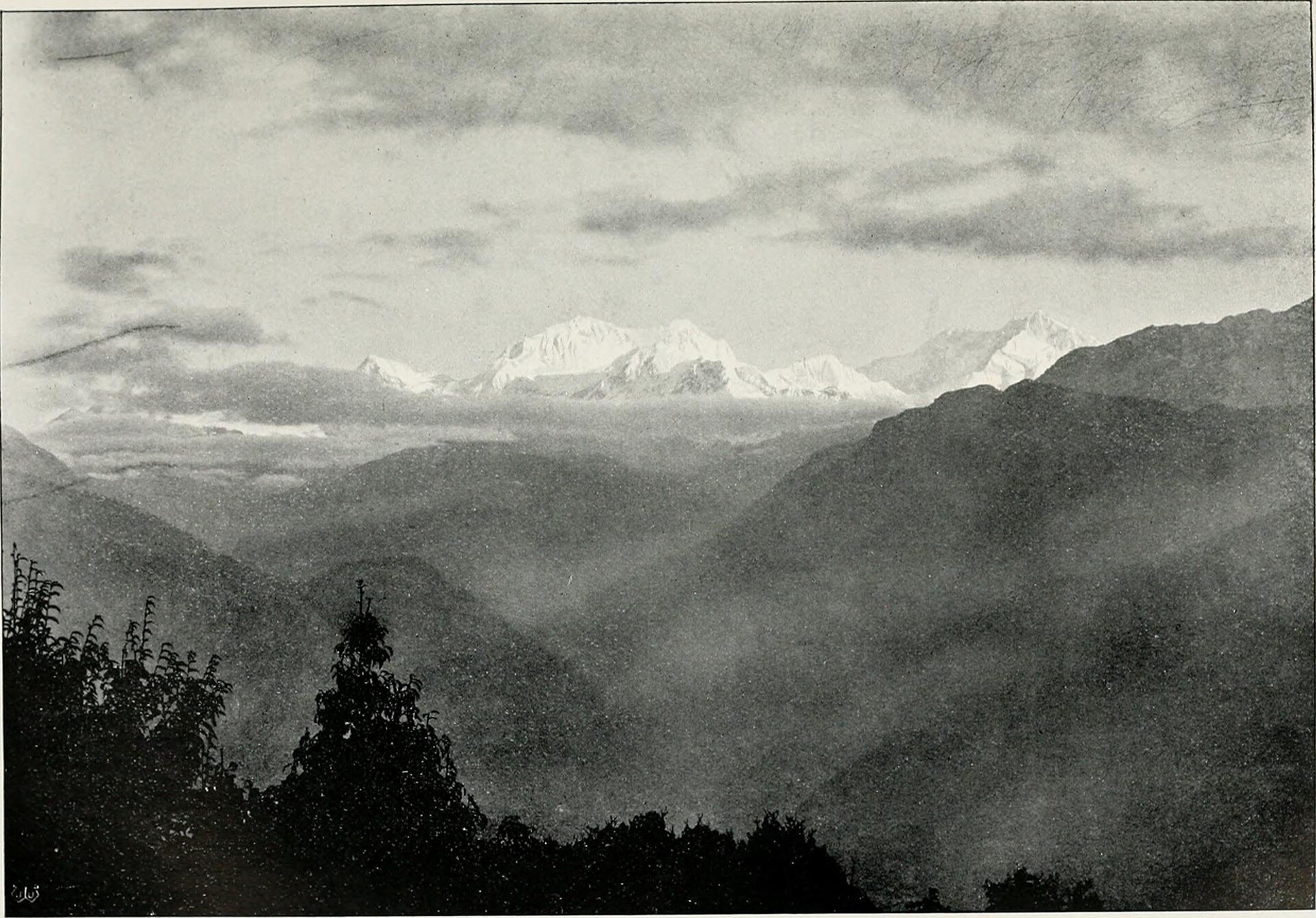
Further into the mountain frontiers of Arunachal Pradesh, Nagaland, Manipur, and Mizoram, ancient tribal customs, vibrant handloom textiles, and deep ecological reverence shape everyday community life. In high-altitude Sikkim, pristine glacial lakes sit beneath the sacred eight-thousand-meter ramparts of Mount Kanchenjunga. Unhurried, biologically vibrant, and spiritually diverse, this eastern frontier invites travelers to witness a deeply authentic dimension of India.
"Here, nature and culture exist in profound dialogue: where bridges are grown rather than built, mighty rivers birth islands of monastic music, and mountain communities guard ancient harmonies with the earth."
India Unfiltered Eastern DispatchFrom the historic temple citadels of the east to the high mountain frontiers and emerald valleys of the Northeast. For international travelers, this section adds practical context to tourist places in India.
LITERARY & COASTAL
Kolkata's intellectual coffeehouses, colonial book alleys, and vibrant Durga Puja celebrations meet the mist-cloaked Darjeeling tea estates and the tidal mangrove wilderness of the Sundarbans tiger reserve. For international travelers, this section adds practical context to travel to India.
TEMPLE ARCHITECTURE
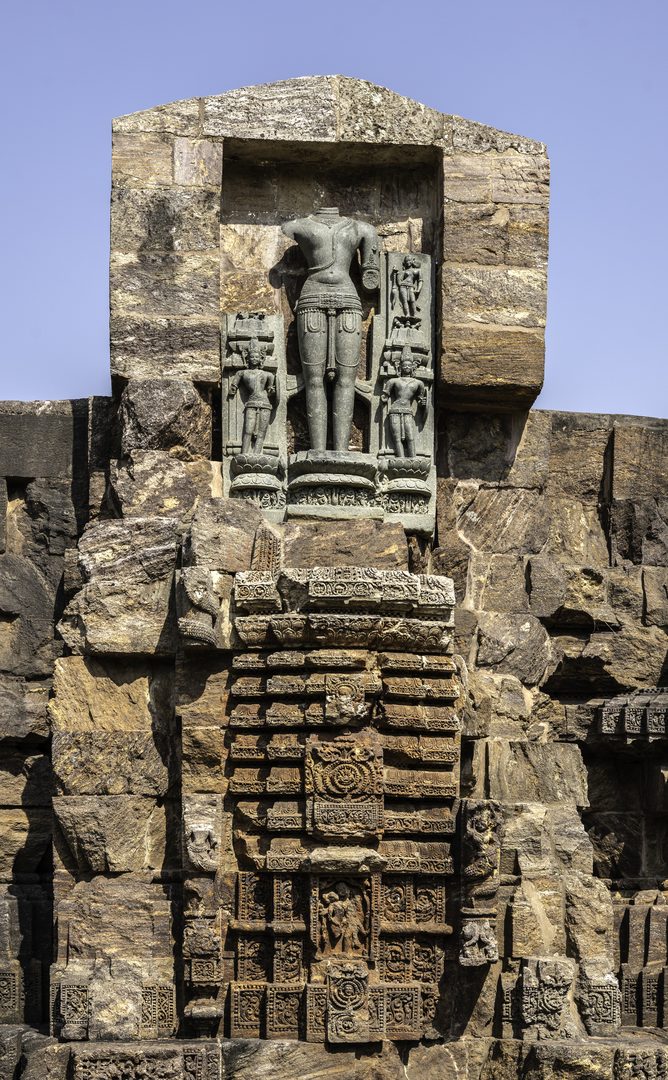
Bhubaneswar's ancient stone sanctuaries, the colossal 13th-century Konark Sun Temple carved like a celestial stone chariot, sacred beachside rituals at Puri, and Pattachitra master painters of Raghurajpur. For international travelers, this section adds practical context to visit India.
SACRED BUDDHIST ROOTS
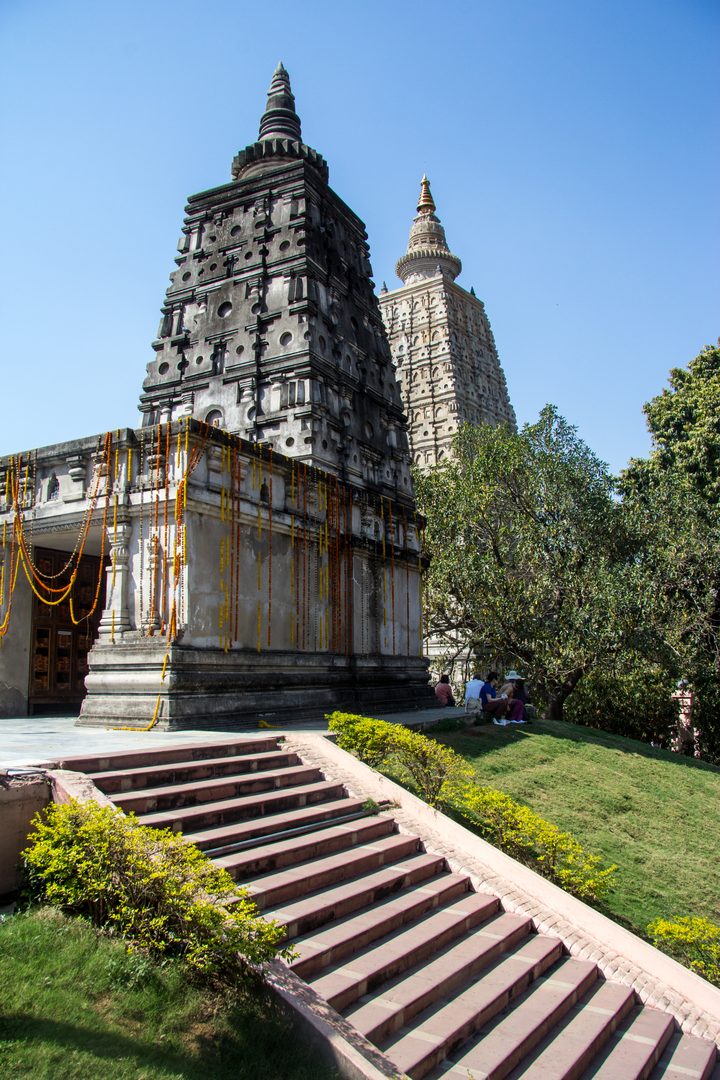
The birthplace of Buddhism and Jainism. The sacred Bodhi Tree and Mahabodhi Temple at Bodh Gaya, the ancient 5th-century residential university ruins of Nalanda, and Rajgir's mountain meditation retreats. For international travelers, this section adds practical context to India travel.
FORESTS & INDIGENOUS HERITAGE
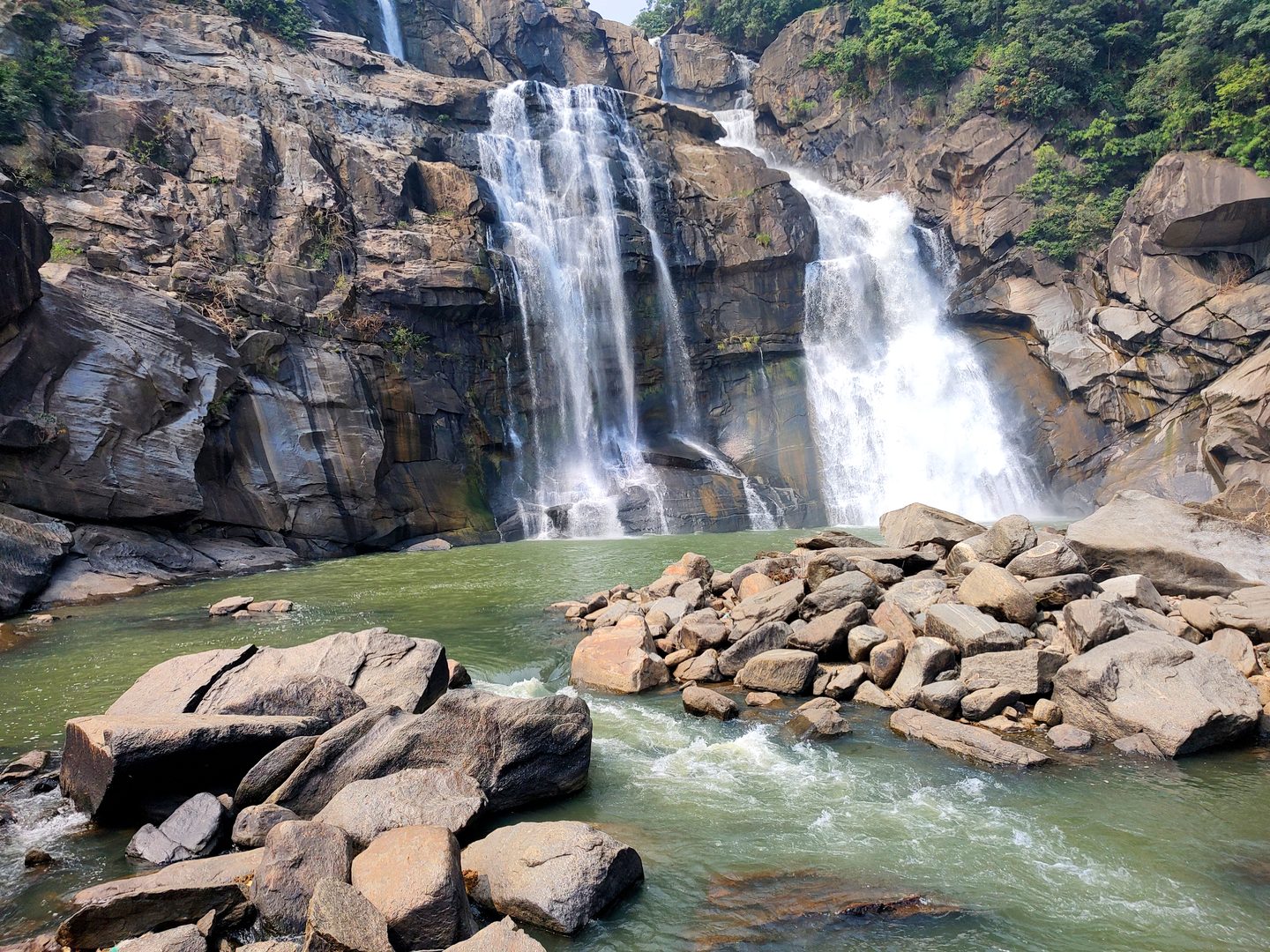
Dense Sal and teak forest landscapes across the Chota Nagpur plateau, cascading waterfalls at Hundru and Jonha, sacred Jain shrines of Parasnath, and living indigenous tribal arts including Sohrai mural painting. For international travelers, this section adds practical context to India travel guide.
BRAHMAPUTRA & TEA COUNTRY
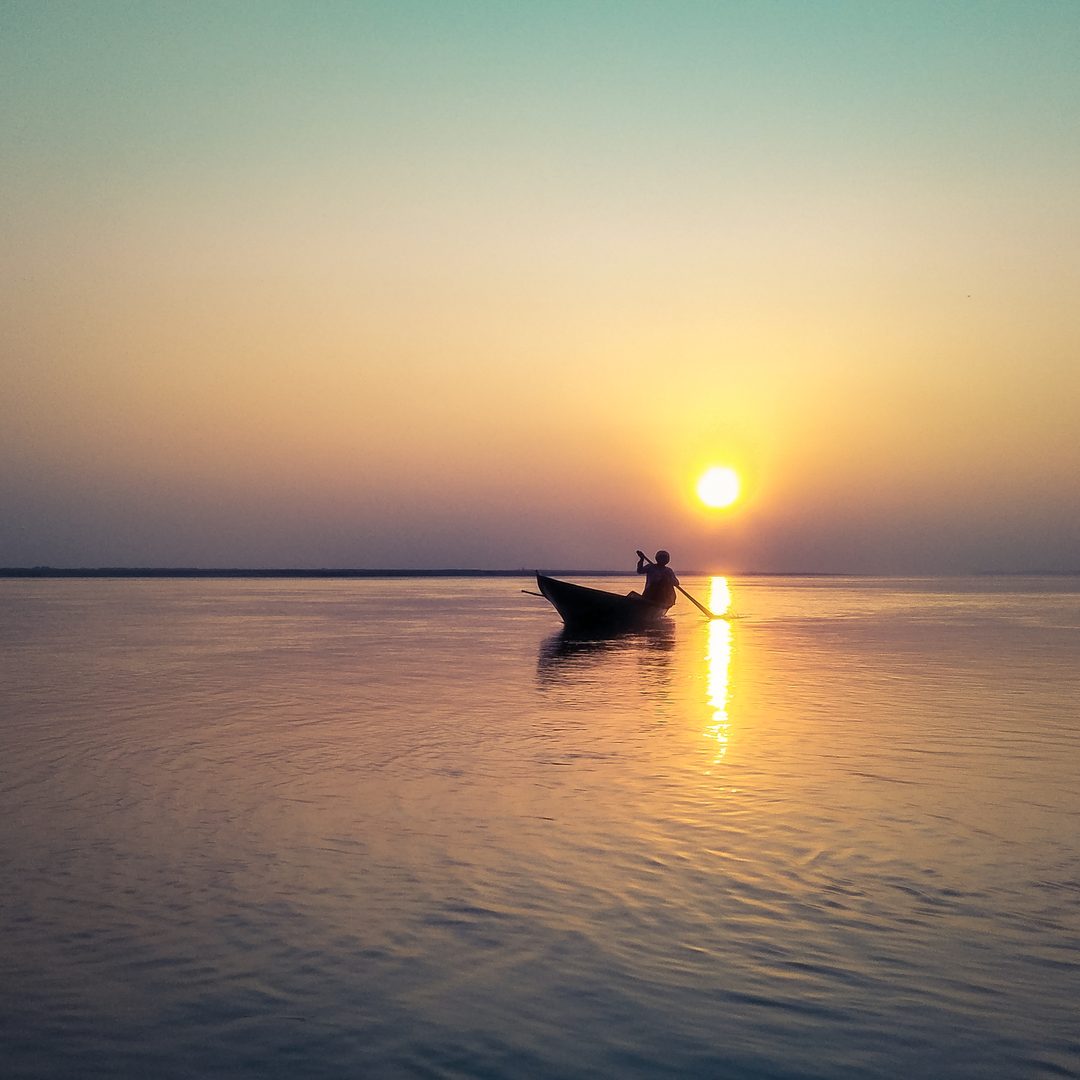
The life-giving Brahmaputra river valley, world-famous golden Assam black tea estates, UNESCO Kaziranga National Park's one-horned rhinos, and Majuli—the world's largest freshwater river island and Neo-Vaishnavite monastery hub. This section is especially useful for travelers researching Northeast India travel guide.
LIVING ROOT BRIDGES
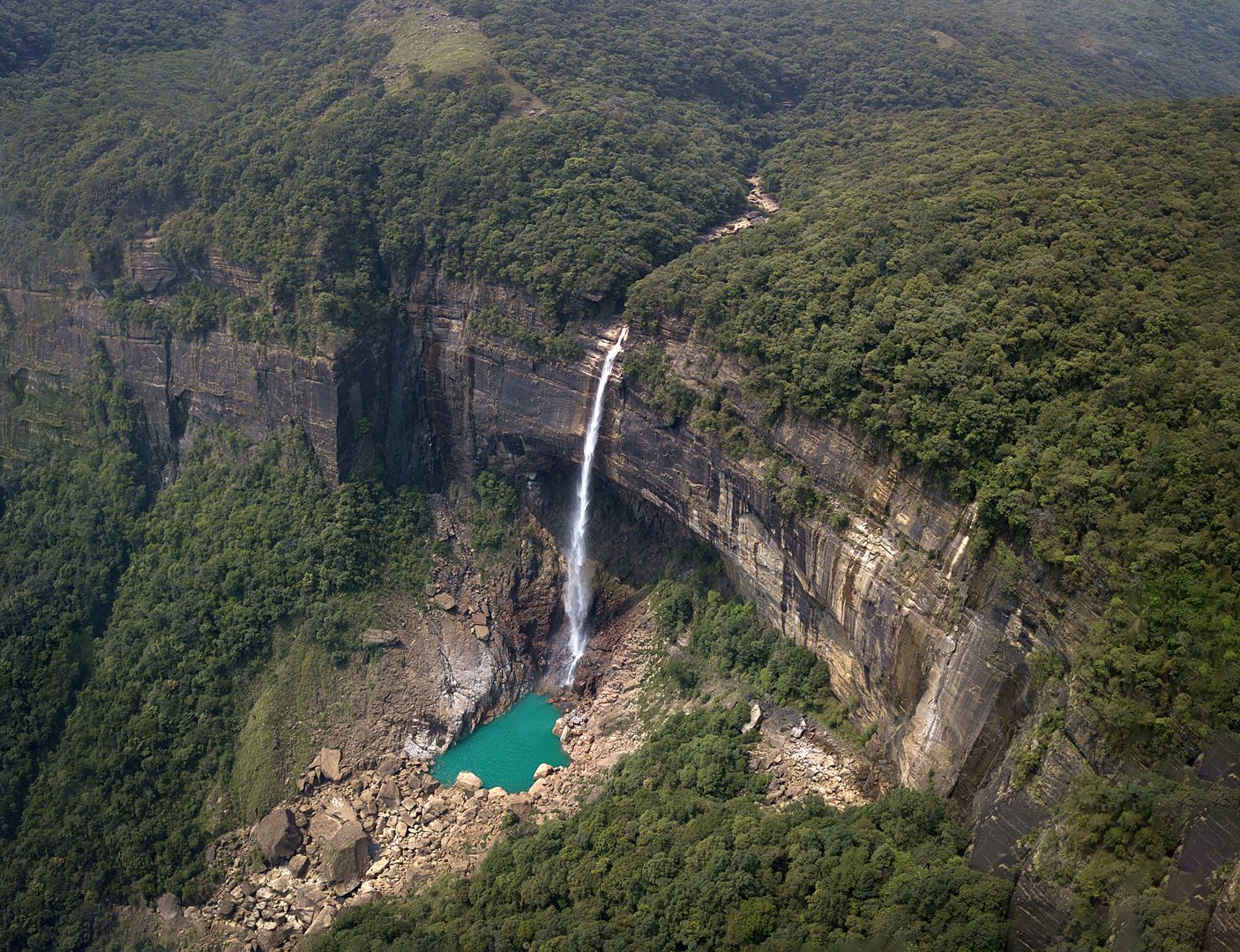
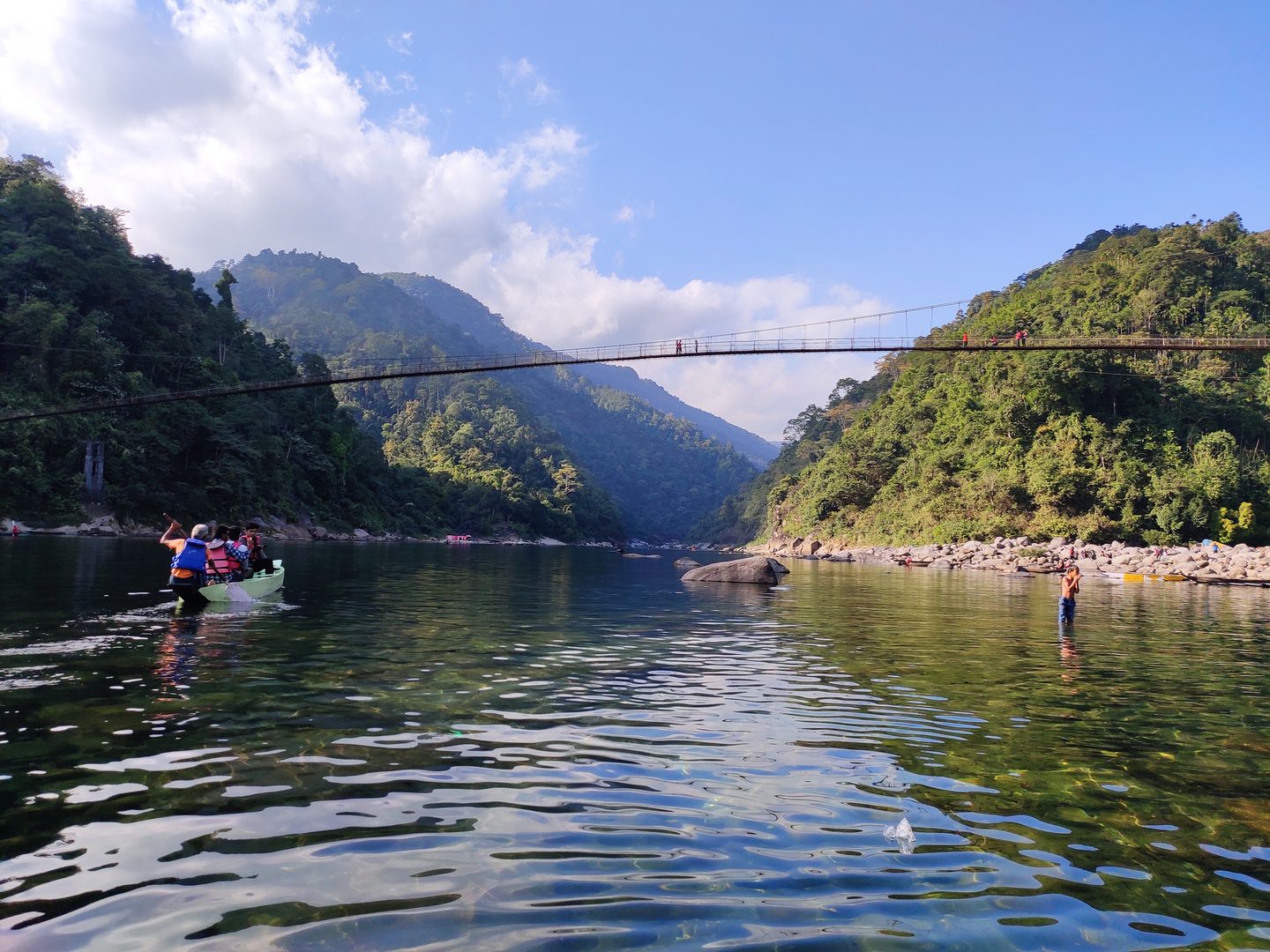
The Abode of the Clouds. Famed for century-old bio-engineered living root bridges in Cherrapunji and Nongriat, matrilineal Khasi traditions, dramatic canyon waterfalls, and the crystal waters of Dawki. This section is especially useful for travelers researching places to visit in Northeast India.
HIMALAYAN FRONTIERS
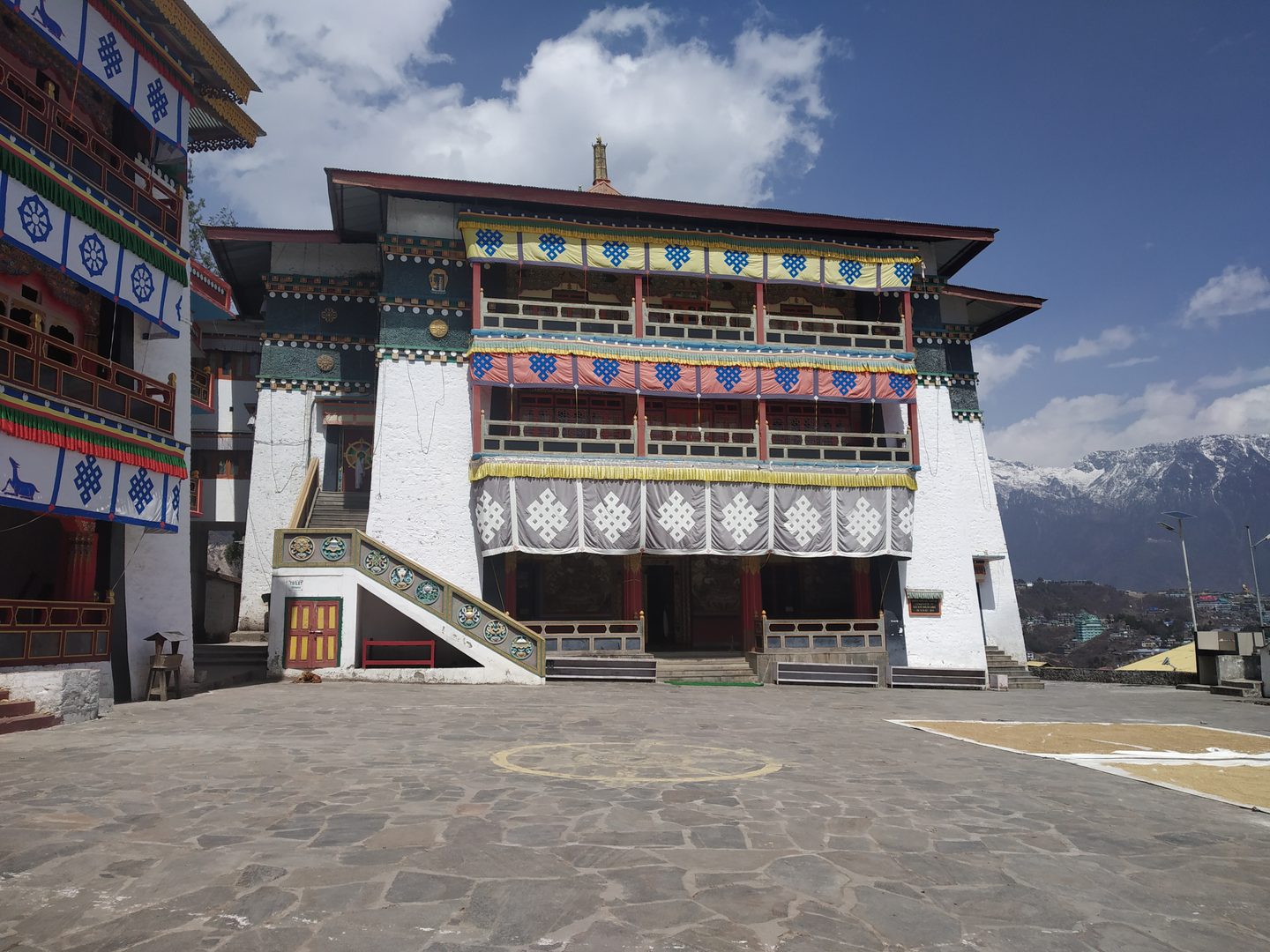
The Land of the Dawn-Lit Mountains. Home to 400-year-old Tawang Monastery (India's largest Buddhist gompa), snow-capped Sela Pass, pine-forested Ziro Valley, and distinct indigenous mountain communities. For international travelers, this section adds practical context to visit India.
NAGA HERITAGE & FESTIVALS
Dramatic mountain ridge villages, rich tribal traditions, world-renowned Hornbill Festival celebrating 16 recognized Naga tribes, intricate geometric loin loom textiles, and contemporary music culture in Kohima. This section is especially useful for travelers researching Northeast India travel guide.
FRONTIER REALMS & SIKKIM
From Sikkim's Kanchenjunga gompas and sacred Gurudongmar Lake, to Manipur's floating Loktak Lake islands (Phumdis), Mizoram's blue mountain ridges, and Tripura's lakeside Ujjayanta royal palace. For international travelers, this section adds practical context to India travel guide.
Connect with our dedicated in-depth regional explore hubs and curated travel corridors across the eastern frontier. This India travel guide for first time visitors resource is designed to help international travelers plan with greater clarity.
From misty high-altitude tea plantations to ancient Buddhist meditation halls and centuries-old living botanical bridges. For international travelers, this section adds practical context to India travel guide.
HIGHLAND ESTATES
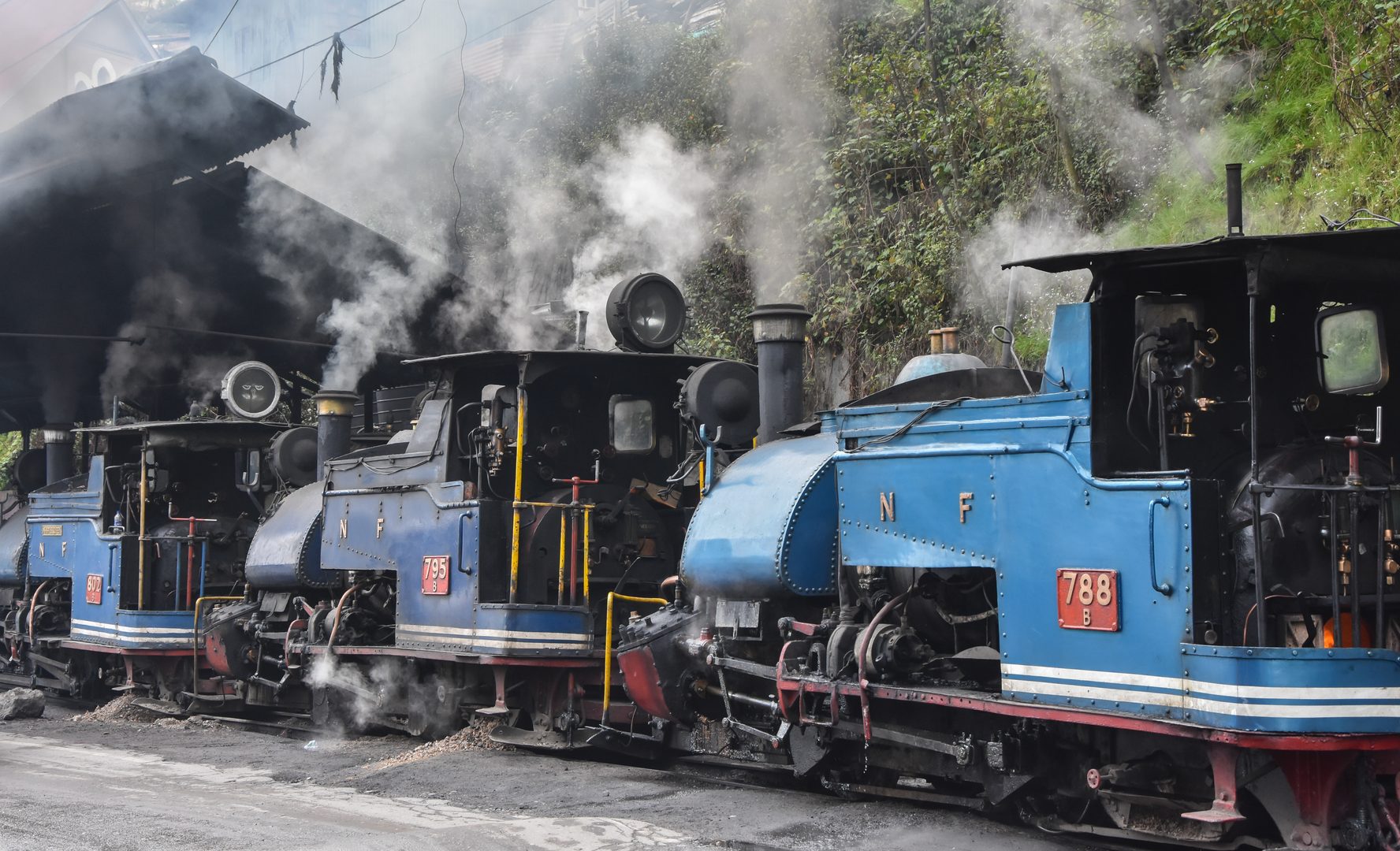
Explore the historic tea estates of Assam and the misty Himalayan slopes of Darjeeling, learning artisanal tea tasting, hand-plucking traditions, and colonial planter heritage. For international travelers, this section adds practical context to India tourism.
BOTANICAL BIO-CRAFT
Trek deep into subtropical river gorges to cross living root bridges guided through generations, swim in crystal-clear rivers at Dawki, and explore sacred Khasi forest groves. For international travelers, this section adds practical context to tourist attractions in India.
Key themes include places to visit in Northeast India, Indian culture and traditions, travel to India, helping international travelers plan an informed and memorable journey.
SPIRITUAL HERITAGE
Walk the sacred Mahabodhi grounds of Bodh Gaya where the Buddha attained enlightenment, study ancient monastic ruins at Nalanda, and discover Odisha's monumental stone temple architecture. This section also gives international visitors practical context for Indian festivals.
LIVING ARTISAN GUILDS
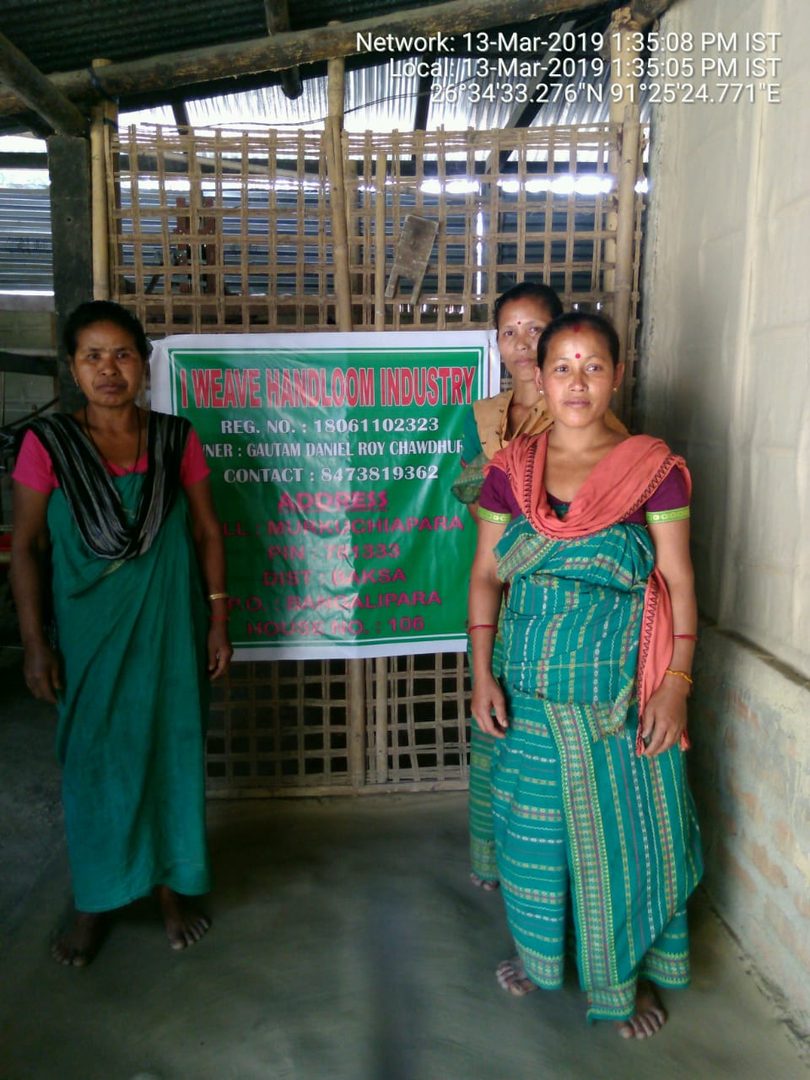
Encounter the remarkable textile traditions of Nagaland's loin-loom weavers, Assam's non-violent Eri peace silk spinning, bamboo architecture, and unique mountain culinary practices. This section also gives international visitors practical context for festivals in India.
Firsthand reporting, deep ecological observations, and thoughtful cultural reflections from travelers across the east. For international travelers, this section adds practical context to best places to visit in India.
RIVER EXPEDITION
Drifting along one of Asia's great untamed rivers: morning chants echoing from Majuli's Satra monasteries, sandbank farming, and river journeys that connect distant communities. For international travelers, this section adds practical context to India tourism.
BOTANICAL ARCHITECTURE
A deep reflection on indigenous Khasi botanical bio-engineering: how generations weave living tree roots into bridges that strengthen over centuries, harmonizing community need with rainforest ecology. This section is especially useful for travelers researching places to visit in Northeast India.
PHOTO EXHIBITION
A visual celebration of the diverse cultural mosaic across the Seven Sisters: intricate tribal handlooms, mountain festival drums, bamboo culinary crafts, and community hospitality. This section also gives international visitors practical context for Indian culture.
Three defining environmental and human forces shape the character of East & Northeast India. For international travelers, this section adds practical context to places to visit in India.
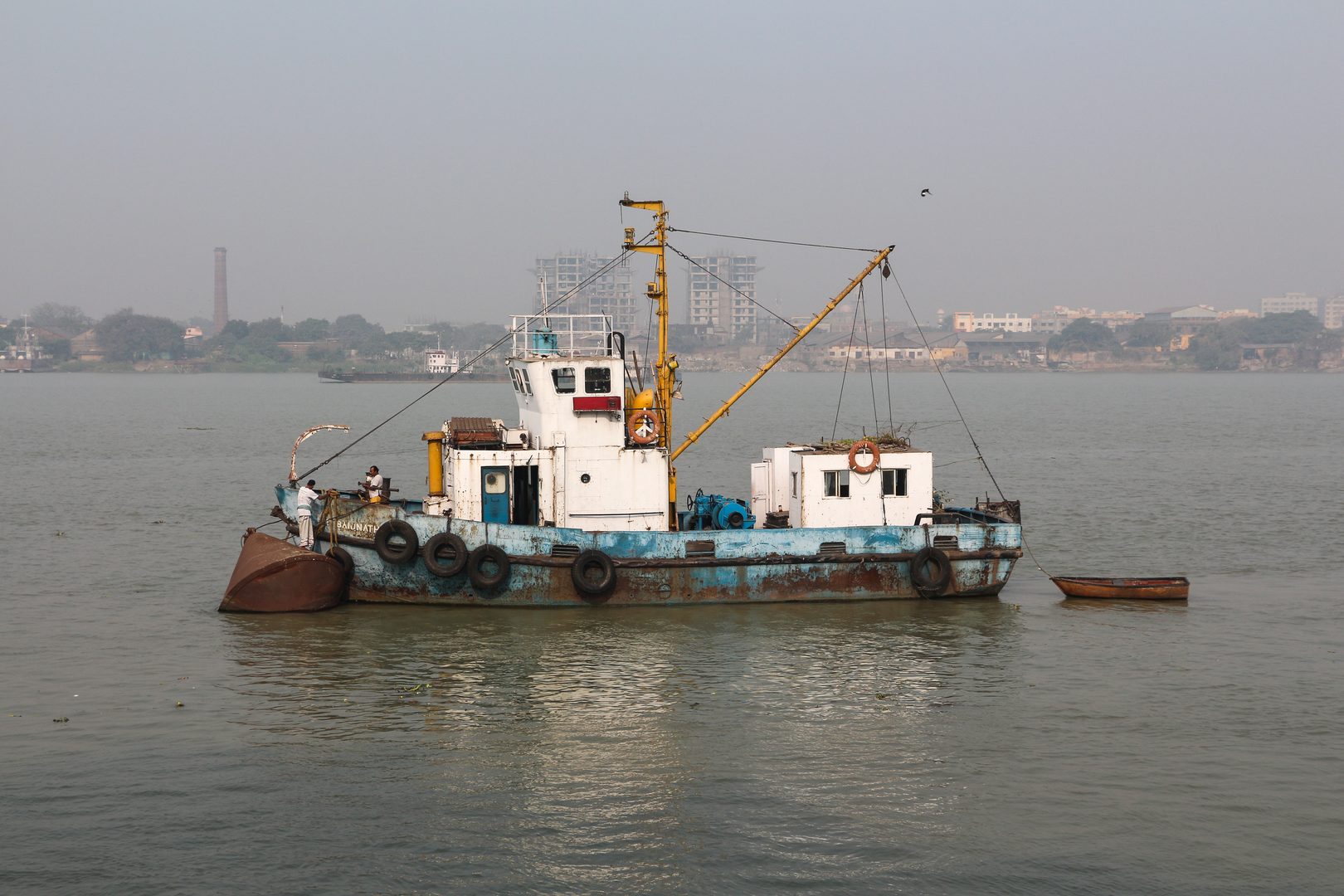
"Great rivers shape landscapes, livelihoods and cultures across the eastern plains." From the broad channels of the Ganges and Brahmaputra to the labyrinthine tidal creeks of the Sundarbans, water dictates the rhythm of daily existence. Rivers nourish fertile rice paddies, create migratory wetland havens for wildlife, deposit nutrient-rich silts, and serve as timeless transport corridors connecting remote riverbank communities. This section helps visitors understand spiritual places in India as part of a thoughtful India journey.
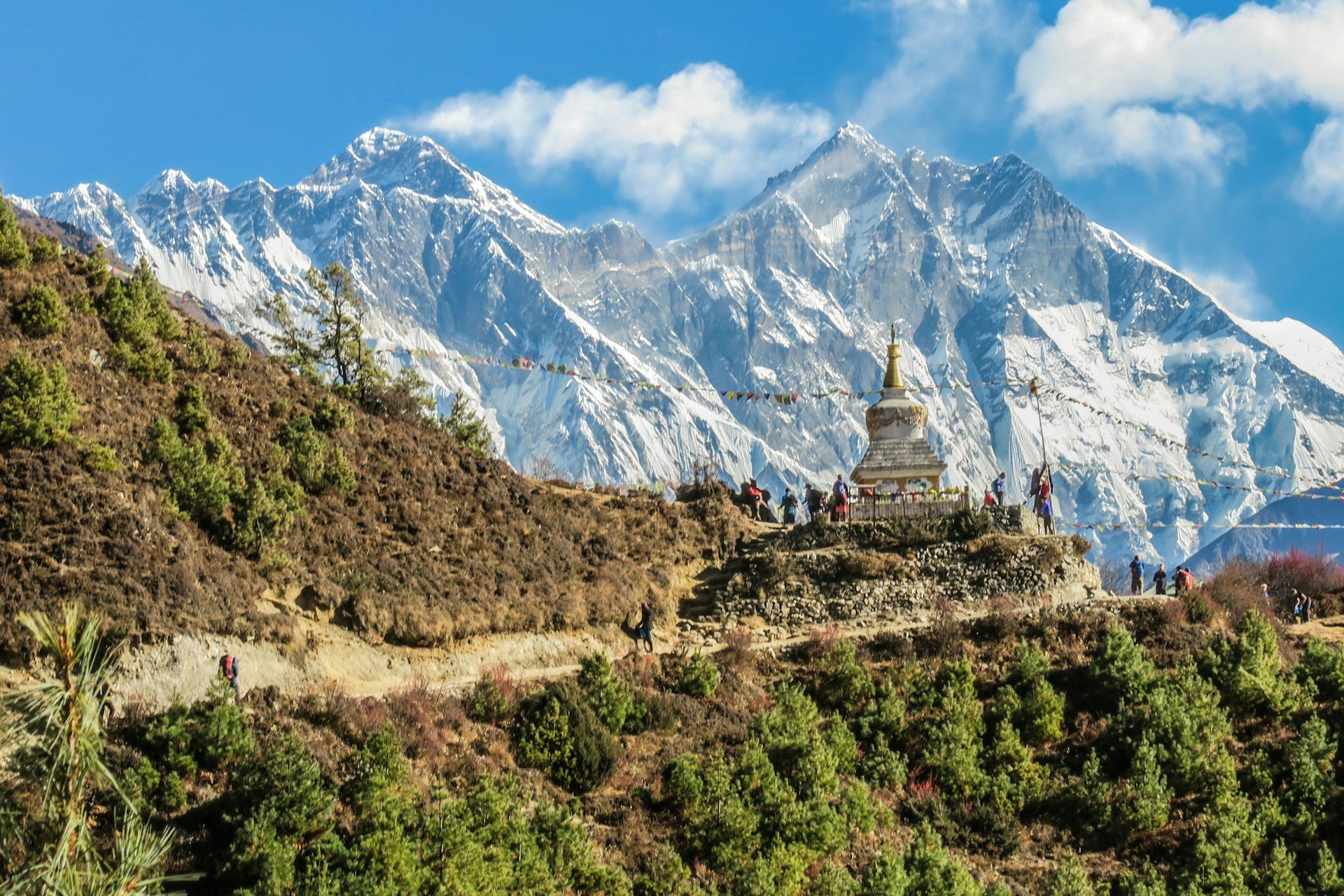
"The Northeast rises into a world of Himalayan foothills, dense forests and dramatic valleys." From Sikkim's snow-clad 8,000-meter giants and Arunachal's cloud forests to Meghalaya's limestone gorges and the blue ridges of Mizoram, this rugged geography has preserved remarkable biodiversity, nurtured botanical engineering, and created protected mountain sanctuaries. This section is a useful starting point for international travelers interested in wildlife tourism India.
"Languages, food, crafts, festivals and traditions vary remarkably from one community to another." Here, classical Bengali literary culture and Odia temple architecture coexist alongside more than two hundred distinct indigenous tribal communities across the Seven Sisters. Each community maintains its own customary governance, oral literature, distinctive weaving patterns, and profound connection to the land. This section also gives international visitors practical context for festivals in India.
Concise, verified travel intelligence to ensure thoughtful preparation, cultural respect, and smooth exploration across the eastern region. For international travelers, this section adds practical context to visit India.
October to April is the prime travel window across both the plains and hill states, offering pleasant daytime temperatures (15°C–25°C), low rainfall, and clear mountain vistas. Major festivals such as Nagaland's Hornbill Festival (December 1–10) and Kolkata's autumn Durga Puja occur during this season. This India travel guide for first time visitors resource is designed to help international travelers plan with greater clarity.
The summer monsoon (June to September) brings torrential rain, particularly to Meghalaya (home to Cherrapunji and Mawsynram) and the Brahmaputra floodplain. While waterfalls and river canyons swell to dramatic glory, national park safaris in Kaziranga are closed for seasonal flooding and conservation. For international travelers, this section adds practical context to India travel guide.
Kolkata (CCU) and Guwahati (GAU) function as major international and domestic aviation hubs with extensive flight connections. High-speed rail connects Kolkata, Bhubaneswar, and Puri. For exploring hilly routes in Meghalaya, Sikkim, and Nagaland, hired private vehicles or experienced 4WD drivers are recommended. For international travelers, this section adds practical context to tourist places in India.
Northeast communities take immense pride in civic hygiene and ecological preservation (e.g. Mawlynnong, Asia's cleanest village). Always respect sacred forest groves (Law Kyntang) where taking even a fallen twig is forbidden. Always ask before photographing community members or sacred village ceremonies. For international travelers, this section adds practical context to travel to India.
Select frontier states (Arunachal Pradesh, Nagaland, Mizoram, and parts of Sikkim) require special permits such as the Protected Area Permit (PAP) for foreign nationals and the Inner Line Permit (ILP) for Indian citizens. These are easily arranged online or through accredited local tour operators. For international travelers, this section adds practical context to visit India.
While 4G/5G mobile data and UPI digital payments are widespread in cities like Kolkata, Guwahati, Bhubaneswar, and Shillong, deep mountain valleys and border areas can experience limited cell coverage. Download offline maps and keep a reasonable reserve of cash (INR) for rural homestays. For international travelers, this section adds practical context to India travel.
East & Northeast India is only one part of a country of extraordinary regional diversity. Continue across India's landscapes, cultures and stories. For international travelers, this section adds practical context to India travel guide.
NORTH & CENTRAL
Where India's great empires, sacred rivers, royal citadels, and ancient heartlands meet—from Delhi and Varanasi to the monuments of Khajuraho. For international travelers, this section adds practical context to India tourism.
WEST INDIA
Desert kingdoms, vibrant royal textiles, stepwell engineering, dynamic metropolis of Mumbai, and relaxed coastal Portuguese heritage in Goa. For international travelers, this section adds practical context to travel to India.
SOUTH INDIA
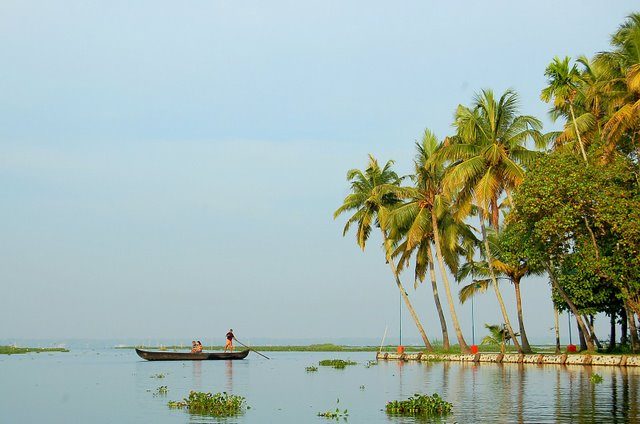
Living Dravidian granite temples, serene palm-fringed backwaters, spice plantations, 5,000-year-old Ayurveda, and innovative modern cities. For international travelers, this section adds practical context to visit India.