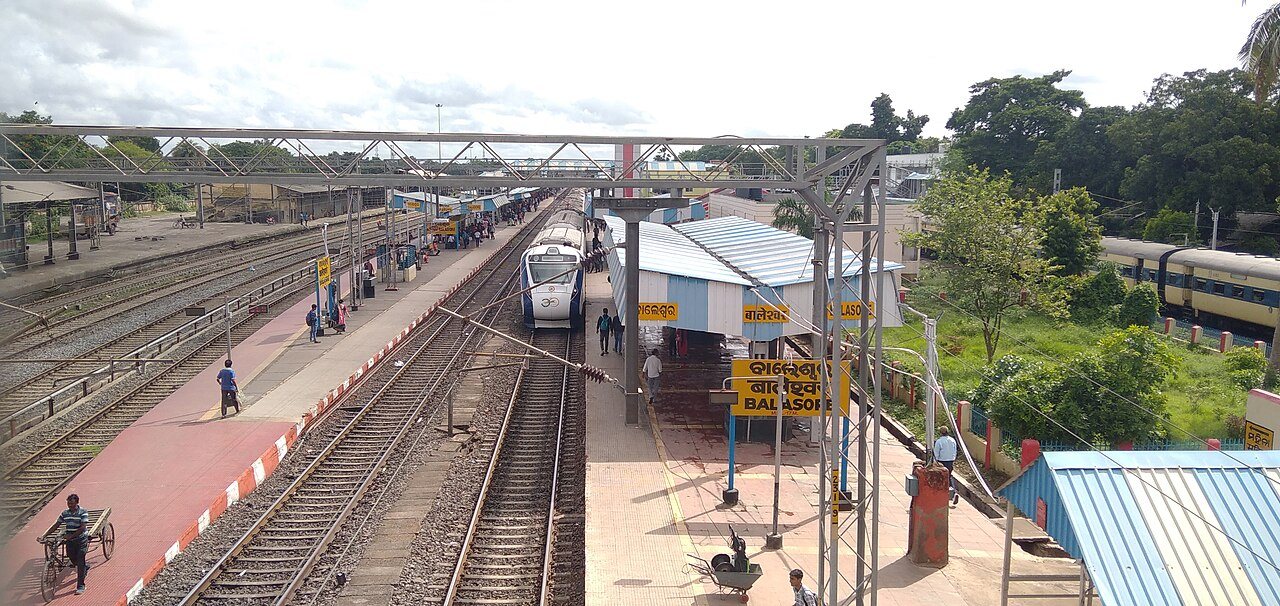
Scenic train journey on Indian Railways traversing lush green landscapes and mountain corridors
THE STEEL LIFELINE • ROUTE GUIDE

How to Travel in India — Transit and Local Transport Guide

With over 68,000 kilometers of track, 13,000 daily passenger trains, and 23 million daily passengers, Indian Railways is not merely a transport utility — it is a moving cross-section of humanity. From the high-speed aerodynamic Vande Bharat to overnight sleeper corridors where strangers share home-cooked parathas, here is your essential guide to navigating the rails.

This India travel guide explains how to travel in India with practical India travel tips designed for India travel for foreigners.

DECODING THE ACRONYMS

Understanding Train Classes & Accommodations

Indian Railways trains feature up to eight different classes of accommodation on a single rake. Knowing what each code means ensures you book the right level of comfort.

1AC
First Class Air-Conditioned

Lockable private coupés (2 berths) or cabins (4 berths). Carpeted floors, personal reading lights, clean pressed bedding, and hot meals served by dedicated coach attendants. Quietest and most luxurious.

2AC
Two-Tier AC (Sweet Spot)

Four berths per open bay plus two side berths. Privacy curtains across each bay, clean linen and pillows provided. Highly popular with international travelers for clean comfort and friendly social conversation.

3AC
Three-Tier AC (Middle Class Backbone)

Six berths per bay (lower, middle, upper on both sides) plus two side berths. Bedding provided. Energetic, family-friendly, air-conditioned, and offering an authentic glimpse into everyday Indian middle-class life.

EC / CC
Executive & AC Chair Car

Found on high-speed day trains (**Vande Bharat Express** and **Shatabdi Express**). Ergonomic reclining aircraft-style seats, panoramic windows, onboard hot meals, and speeds reaching 130–160 km/h.

SL
Sleeper Class (Non-AC)

Open barred windows with ceiling fans; no air conditioning and no bedding provided. Immersive, dusty, vibrant, and noisy. Best experienced on scenic daytime hill routes rather than grueling summer night journeys.

UR / 2S
Unreserved / Second Sitting

General seating without seat reservations. Extremely crowded during peak hours; not recommended for foreign visitors traveling with bulky luggage.

STEP-BY-STEP PASSENGER BLUEPRINT

The Complete Rail Journey: Plan to Disembark

From opening your smartphone to stepping onto destination platforms, here is the chronological rhythm of an Indian train ride.

01. PLAN
Route Check
Use apps like ixigo or Where Is My Train to check train numbers, running history, and seat availability.
02. BOOK
FTQ / IRCTC
Book online via 12go.asia or use the International Tourist Bureau at major stations with your passport.
03. ARRIVE
Station Entry
Arrive 45 mins early. Check electronic overhead displays for your train number and platform assignment.
04. BOARD
Find Berth
Locate your coach letter (e.g. B2, A1) along the platform. Confirm your name on the reservation chart pasted by the door.
05. RIDE
Chai & Rhythms
Sip Garam Chai from pantry vendors, charge your phone at berth outlets, and watch rural landscapes roll past.
06. ARRIVE
Exit Prep
Prepare 20 minutes prior to arrival. Head toward the vestibule and exit directly to the official prepaid taxi line.
SAVVY BOOKING SECRETS

The Foreign Tourist Quota (FTQ)

Trains in India frequently sell out months in advance. However, Indian Railways holds back a dedicated reserve of berths on major tourist routes exclusively for international passport holders called the **Foreign Tourist Quota (FTQ)**.

  • How to Access FTQ: Visit the **International Tourist Bureau (ITB)** at major junction stations (New Delhi Railway Station 1st Floor, Mumbai CSMT, Varanasi, Kolkata, Jaipur). Bring your original foreign passport, valid Indian visa, and cash or card.
  • Online FTQ Registration: You can register a foreign mobile number on the official IRCTC portal (paying a nominal registration fee of ₹122) to book FTQ berths up to 365 days in advance from your home country.
  • Understanding RAC & WL: If a ticket is marked **CNF**, it is confirmed. If marked **RAC** (Reservation Against Cancellation), you are guaranteed travel and a seat, but share a lower berth until cancellations occur. If marked **WL** (Waitlist), you cannot legally board an AC coach unless the status clears.
EPIC SCENIC RAIL ROUTES

Bucket-List Indian Train Journeys

  • The Konkan Railway (Mumbai to Goa): Pierces through the Western Ghats across 2,000 bridges and 91 tunnels, surrounded by emerald monsoon waterfalls and palm groves.
  • Kalka to Shimla Toy Train: UNESCO World Heritage narrow-gauge train climbing 5,000 feet into pine-scented Himalayan foothills over 102 tunnels.
  • Mandovi Express: Famous for legendary onboard culinary service — fresh vegetable cutlets, warm biryani, and roasted cashew nuts.
STATION DYNAMICS

Surviving & Thriving Inside Mammoth Junctions

A major junction like Howrah (Kolkata) or New Delhi accommodates up to one million travelers every single day. Here is how to keep calm and navigate efficiently:

Key themes include India travel for foreigners, India travel guide, helping international travelers plan an informed and memorable journey.

Licensed Coolies (Porters)

Men in bright red jackets with brass armbands. They are government-licensed. For ₹150–₹250 per bag, they will balance heavy luggage on their heads, guide you through the crowd, and lead you straight to your exact coach door. Worth every rupee.

Electronic Coach Indicators

Platforms stretch for over 600 meters. Look at the small illuminated overhead signs hanging above the tracks. They display the coach sequence (e.g. ENG, B1, B2, A1) so you stand precisely where your door will stop.

Executive Lounges

At major stations, look for IRCTC Executive Lounges. For a fee of ~₹150 to ₹200 per hour, you get air conditioning, reclining sofas, clean Western restrooms, Wi-Fi, and buffet dining away from the noisy platform concourse.

URBAN MOBILITY

Metros, Auto-Rickshaws & App Cabs

Getting around Indian cities is fast, inexpensive, and surprisingly modern once you master the local transport hierarchy.

World-Class Metro Systems

The **Delhi Metro**, **Mumbai Metro**, and **Bengaluru Namma Metro** are spotless, air-conditioned, whisper-quiet, and fully integrated with contactless smart cards and QR ticketing on WhatsApp.

Avoid traffic gridlock by taking the Delhi Airport Express Metro line directly into central Connaught Place in under 20 minutes for ₹60 ($0.75 USD).

The Three-Wheeled Auto-Rickshaw

The green-and-yellow three-wheeler is the pulse of urban India. In Mumbai, drivers always run by the strict digital meter. In Delhi and Jaipur, negotiate the fare before sitting down, or simply book an **Uber Auto** or **Ola Auto** on your phone.

Booking autos via Uber/Ola displays the exact fare upfront, automatically tracks your GPS route, and eliminates any fare arguments.

WANT TO PAY FOR TRANSIT DIGITALLY?

Learn How Foreigners Can Use UPI QR Payments

CASHLESS UPI GUIDE → MUMBAI DABBAWALA STORY →
STEP 4: TRAVEL PEACE OF MIND

Safety, Awareness & Solo Travel Guidelines

Practical situational awareness, solo female travel guidance, emergency contacts, and how to deflect persistent tourist scams.

Read Safety Guide →