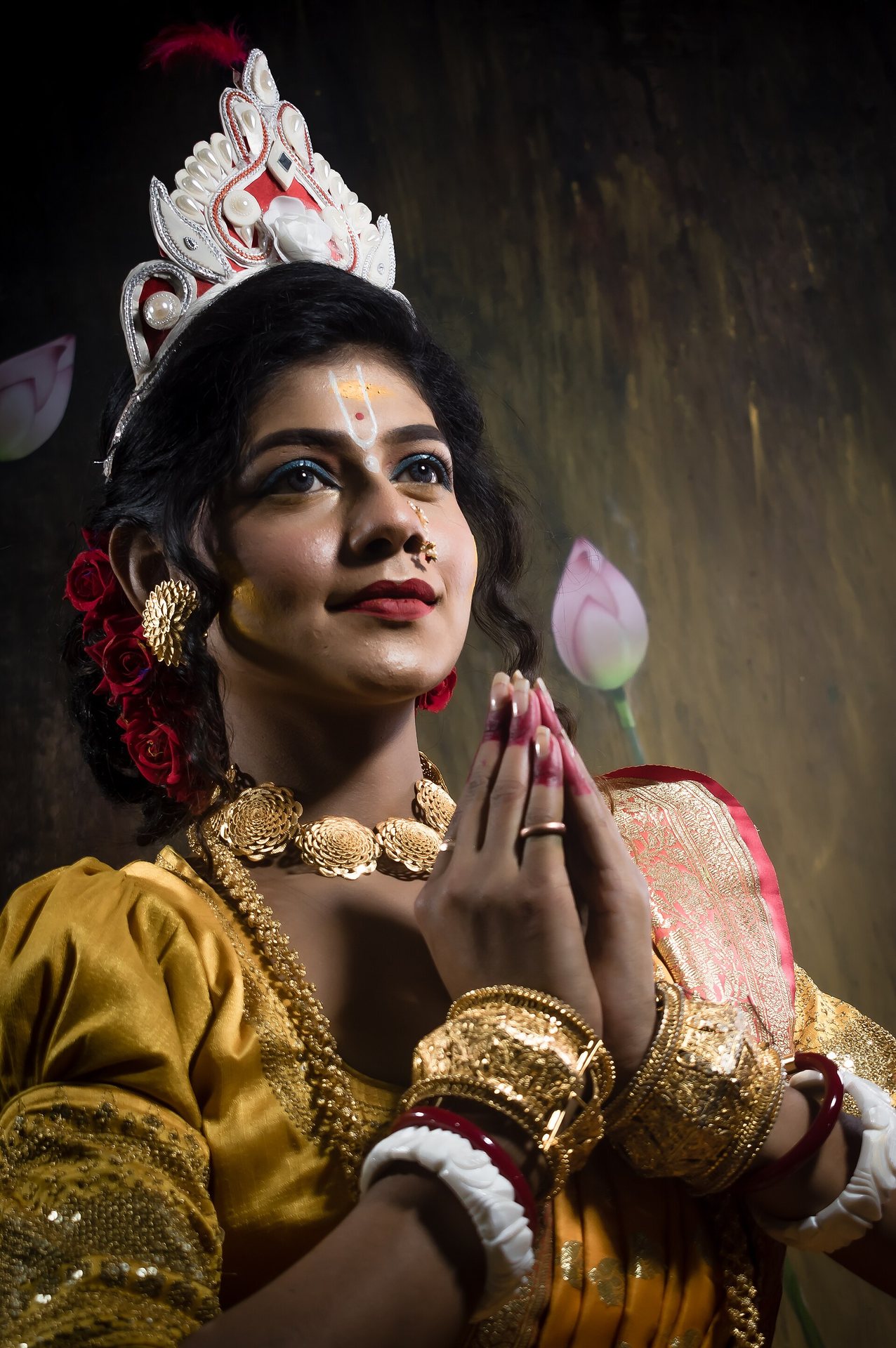
Traditional Indian hospitality and reverent Namaste greeting welcoming visitors with grace and cultural respect
SACRED SPACES • CULTURAL FIELD GUIDE

Indian Culture — A Practical Guide to Cultural Etiquette

India is the cradle of four of the world's great religions (Hinduism, Buddhism, Jainism, Sikhism) and home to one of the largest Islamic populations on earth. Entering these living sanctuaries is not about navigating cold dogma; it is about stepping into consecrated energy fields where humility, modest dress, and conscious attention unlock profound hospitality. This section also gives international visitors practical context for Indian culture.

SANCTUARIES ACROSS TRADITIONS

Protocols by Sacred Space — Indian Culture And Traditions

While all Indian shrines welcome foreign visitors regardless of personal faith, each spiritual tradition maintains distinct entry rituals. This section also gives international visitors practical context for Indian culture and traditions.

HINDU MANDIR

Hindu Temples & Shrines — Spiritual Places In India

  • Remove Footwear at the Threshold: Leave shoes at the designated shoe stall (*juta counter*). You receive a brass token; a nominal tip of ₹10–20 is customary.
  • Ring the Entrance Bell: Touch and strike the overhead bronze hanging bell once upon crossing the threshold; musically announces your arrival and focuses scattered thoughts.
  • Clockwise Circumambulation (*Pradakshina*): Walk around the inner sanctum (*Garbhagriha*) in a clockwise direction, keeping the sanctum on your right side.
  • Accepting Prasad: Cupping your right hand supported by your left underneath, receive holy sweets or sacred water (*Charanamrit*). Consume immediately with reverence.
ISLAMIC MASJID & SUFI DARGAH

Mosques & Sufi Shrines — Travel To India

  • Head Covering Is Mandatory: Both men and women must cover their heads. Men can wear a light cap or scarf; women must drape a scarf (*dupatta*) completely covering hair and shoulders.
  • Ritual Ablution (*Wudu*): Wash hands, mouth, and feet at the central water basin before walking onto the carpeted prayer floor.
  • Never Walk in Front of Worshipers: When someone is performing *Namaz* (prayer), never cross directly in front of their prayer line; wait or walk behind them.
  • Dargah Fragrance Offerings: At Sufi shrines (Nizamuddin in Delhi, Ajmer Sharif), purchasing a wicker basket of fragrant pink rose petals and an embroidered cloth (*chadar*) to place on the saint's tomb is a beautiful gesture of respect.
SIKH GURDWARA

Gurdwaras & The Golden Temple — Spiritual Places In India

  • Cover Head & Wash Feet: Head must remain covered at all times (orange or yellow head coverings are provided free at the entrance). Walk through the shallow cleansing water pool before entering.
  • Strict Prohibition on Tobacco & Alcohol: Carrying cigarettes, matches, lighters, or intoxicants onto gurdwara grounds is strictly forbidden.
  • Sit as Equals on the Floor: Inside the sanctum, all humans sit cross-legged on the carpet; pointing your feet toward the holy scripture (*Guru Granth Sahib*) is impolite.
  • Partake in the Langar: Every Gurdwara runs a free community kitchen (*Langar*) feeding thousands daily. Sit in rows on the floor and enjoy the dal and warm rotis. Volunteering to wash dishes is welcomed with joy.
BUDDHIST GOMPA & JAIN DERASAR

Buddhist Monasteries & Jain Temples — India Spiritual Tourism

  • Buddhist Gompas (Ladakh / Sikkim): Always spin prayer wheels in a clockwise direction. Bow slightly toward monks and statues. Never point the soles of your feet at Buddha images or sitting lamas.
  • Jain Derasars (Ranakpur / Palitana): Absolutely zero leather products are allowed inside (remove leather belts, wallets, and watchbands before entry). Jainism observes radical non-violence (*Ahimsa*); maintain hushed voices.
  • Do Not Touch Sculptures: Millennia-old marble and granite sculptures are porous and absorb oils from human fingertips. Keep hands to your sides.
PHYSICAL & SPIRITUAL BOUNDARIES

The Philosophy of the Bare Foot — India Travel Guide

In Western culture, shoes are an essential element of dressed formality. In India, shoes are considered the physical carrier of worldly dust, sewer debris, and energetic impurities. For international travelers, this section adds practical context to India travel guide.

Removing footwear before entering a temple, mosque, gurdwara, or private home is not a nuisance; it is an act of spiritual equality. Stripped of designer leather and status-signaling footwear, all humans stand barefoot on the same cool stone floor before the divine.

Traveler's Tip on Socks:

Marble and sandstone courtyards can heat up scorching hot under the midday sun. Carrying a clean pair of thick cotton socks allows you to walk comfortably without burning your soles while fully respecting shoe prohibitions.

Exquisitely carved translucent white marble domes and pillars of Dilwara Jain Temple
LIVING SOCIAL NORMS

Everyday Cultural Codes Across Communities — India Tourism

Beyond shrines, daily social interactions in India are governed by subtle traditions of body language, hospitality, and respect. For international travelers, this section adds practical context to India tourism.

The Sacred Right Hand

In Indian culture, bodily functions are bifurcated: the left hand is reserved for personal ablutions, while the right hand is consecrated for eating, greeting, and exchanging money or gifts. Never hand someone cash, prasad, or documents with your left hand alone.

Key themes include spiritual places in India, India spiritual tourism, Indian cuisine, helping international travelers plan an informed and memorable journey.

The Foot Taboo & Apology Gesture

Because feet touch the ground, pointing the soles of your feet toward people, elders, books, or shrines is deeply offensive. If you accidentally brush someone with your foot, touch their shoulder or arm and touch your own chest in a swift gesture of apology.

Namaste Over Handshakes

Folding palms together at chest level with a slight bow (*Namaste* or *Namaskaram*) translates philosophically to: “The divine light in me honors the divine light in you.” It is hygienic, dignified, and avoids awkward physical touch with conservative elders or women.

Public Displays of Affection (PDA)

Indian public culture is modest. While men holding hands is common as a pure sign of friendship, romantic kissing, hugging, or intense fondling between couples in public streets or temples attracts negative attention. Save intimacy for private spaces.

ETHICAL EYE BEHIND THE LENS

When to Put the Camera Away — Travel To India

India is photogenic beyond measure, but responsible cultural travel means knowing when photography ceases to be documentation and becomes invasive voyeurism. For international travelers, this section adds practical context to travel to India.

✓ Photography with Honor

  • Always Ask First: Make eye contact, point gently to your camera, and ask “Photo le sakta hoon?” (May I take a photo?) with a warm smile. If they decline or shake their head, smile warmly, nod, and lower the camera immediately.
  • Show the Photo on Screen: Children and elders love seeing their portraits on the camera LCD screen; it transforms the moment into a joyful shared exchange rather than an extraction.
  • Support the Artisan You Photograph: If you spend twenty minutes photographing a handloom weaver or potter, buy a small handmade piece to support their livelihood.

✗ Strictly Prohibited Photography

  • Inner Sanctums of Temples: Photography of the main consecrated deity statue (*Moolavirat*) inside the dark inner sanctuary is strictly forbidden in almost all operational Hindu mandirs. Respect signboards.
  • Cremation Rites: Never point lenses at burning pyres or mourning families at Manikarnika or Harishchandra Ghats. It violates sacred grief.
  • Military Checkpoints & Border Crossings: Bridges, airports, military convoys, and high Himalayan border passes (Ladakh, Sikkim) are sensitive defense zones where photography can result in camera confiscation.
READY TO EXPLORE BY RAIL?

Learn How to Navigate Indian Railways & Regional Transit

TRAINS & TRANSIT GUIDE → LIVING SPIRITUALITY →
STEP 6: HEALTHY NOURISHMENT

Health & Street Food: The Sensible Epicurean's Manual — Indian Cuisine

Learn how to enjoy mouthwatering street food safely: boiling oil principles, water hydrology precautions, and digestive remedies. For international travelers, this section adds useful context to Indian cuisine.

Read Street Food Guide →