Vibrant seasonal cultural festival celebration across India showing traditional music, communal joy, and cyclical calendar traditions
CYCLICAL TIME • SHAD RITU MATRIX

Best Time to Visit India — Indian Festivals and Seasonal Travel Tips

Western calendars recognize four seasons; the Vedic calendar recognizes six. In India, a festival is not a date marked casually on a phone. It is a biological and agrarian event — the bursting of summer heat into monsoon rain, the blooming of spring mustard, the harvesting of winter grains, and the victory of light over ignorance. This section also gives international visitors practical context for Indian culture.
THE VEDIC SOLAR WHEEL

Shad Ritu: The Six Classical Indian Seasons — India Travel Tips

Each lasting two solar months, the *Ritus* govern Ayurvedic diet, musical ragas, textile fabrics, and communal festivals across the subcontinent. This India travel tips resource is designed to help international travelers plan with greater clarity.

Vasanta — India Tourism

Spring For international travelers, this section adds practical context to India tourism.

Mid Feb – Mid Apr

Mango blossoms, yellow mustard fields. Celebrated with Holi, Vasant Panchami, and fresh cooling neem.

Grishma — Travel To India

Summer For international travelers, this section adds practical context to travel to India.

Mid Apr – Mid Jun

Blistering dry heat, sweet ripening mangoes, buttermilk (*chaas*), retreat into Himalayan pine valleys.

Varsha — Visit India

Monsoon For international travelers, this section adds practical context to visit India.

Mid Jun – Mid Aug

Life-giving torrential rains, singing peacocks, piping hot pakoras with ginger chai, Teej festival swing rituals.

Sharad — India Travel

Early Autumn For international travelers, this section adds practical context to India travel.

Mid Aug – Mid Oct

Crystal blue skies, lotus blooms, post-monsoon clarity. Navratri, Durga Puja, and Kerala harvest of Onam.

Hemanta — India Travel Guide

Pre-Winter For international travelers, this section adds practical context to India travel guide.

Mid Oct – Mid Dec

Pleasant crisp morning nip, mustard oil baths, festive clay diyas of Diwali, Dev Deepawali in Varanasi.

Shishira — India Tourism

Late Winter For international travelers, this section adds practical context to India tourism.

Mid Dec – Mid Feb

Chilly northern frost, bonfire harvest celebrations (Lohri, Pongal, Makar Sankranti), sesame (*til*) sweets.

THE LIFEBLOOD OF BHARAT

Varsha Ritu: The Poetry of the Monsoons — Travel To India

CLASSICAL SANSKRIT POETRY • KALIDASA'S MEGHADUTA

“When the black monsoon clouds march across the Vindhyas, the baked earth releases its intoxicating scent of petrichor. The peasant smiles, the peacock dances with iridescent tail aloft, and rivers swell with new life.” For international travelers, this section adds practical context to travel to India.

In the West, rain is often seen as gloomy weather to endure under umbrellas. In India, rain is a divine romantic savior that ends brutal summer droughts. It has its own dedicated musical ragas (*Megh Malhar*), specific street-food rituals (crispy onion fritters and bubbling black pepper chai), and swings decorated with jasmine blossoms for young brides (*Jhula*).

Key themes include festivals in India, best time to visit India, India travel tips, helping international travelers plan an informed and memorable journey.

MONSOON TRAVEL SECRETS

Why Savvy Travelers Visit in the Rains

  • Emerald Transformations: The arid plateaus of Rajasthan and Madhya Pradesh burst into roaring waterfalls, misty ruins (Mandu), and emerald lake palaces (Udaipur).
  • Peak Ayurvedic Healing: Ancient texts declare monsoon (*Karkidaka*) the ideal season for Panchakarma, as humid air opens skin pores to herbal decoctions.
  • Zero Tourist Crowds: Monument lines evaporate, luxury boutique stays offer serene off-season pricing, and train journeys through the Western Ghats resemble dreamscapes.
INTANGIBLE CULTURAL MASTERPIECES

Celebrations Where Communities Merge — Visit India

Indian festivals are not spectator parades; they are immersive community whirlwinds that dissolve barriers of class, background, and geography. For international travelers, this section adds practical context to visit India.

Clouds of vibrant pink and saffron natural gulal powder exploding in the air during Holi festival in Vrindavan
SPRING EQUINOX • BRAJ & NORTH INDIA

Holi: The Great Social Levelling — India Travel

The carnival of color where rigid social hierarchies vanish. Clad in simple white cotton, strangers dust one another with fragrant herbal powders (*gulal*) made from marigold, beetroot, and palash flowers, embracing with the joyful cry: “Bura na mano, Holi hai!” (Take no offense, it's Holi!). For international travelers, this section adds practical context to India travel.

Thousands of Gujarati dancers in mirror-work chaniya cholis swirling in synchronized concentric circles during Garba night
AUTUMN MOON • GUJARAT & MAHARASHTRA

Navratri: Nine Nights of Trance Dance — India Travel Guide

Honoring the divine feminine (*Shakti*). In Gujarat, whole cities dance the *Garba* all night long. Thousands spin in concentric circles around an earthen lantern representing the womb, clacking wooden sticks (*dandiyas*) to rhythmic drumbeats until 4 AM. For international travelers, this section adds practical context to India travel guide.

An intricate geometric floral carpet pookkalam made of marigold and lotus petals on a Kerala temple floor during Onam
HARVEST MOON • GOD'S OWN COUNTRY KERALA

Onam & The Grand Sadya Feast — India Tourism

Welcoming the mythical benevolent King Mahabali. Families craft elaborate floral mandalas (*Pookkalam*) at front doorways and sit together on coir mats to consume the *Onasadya* — a 26-course vegetarian feast served on a freshly cut banana leaf. For international travelers, this section adds practical context to India tourism.

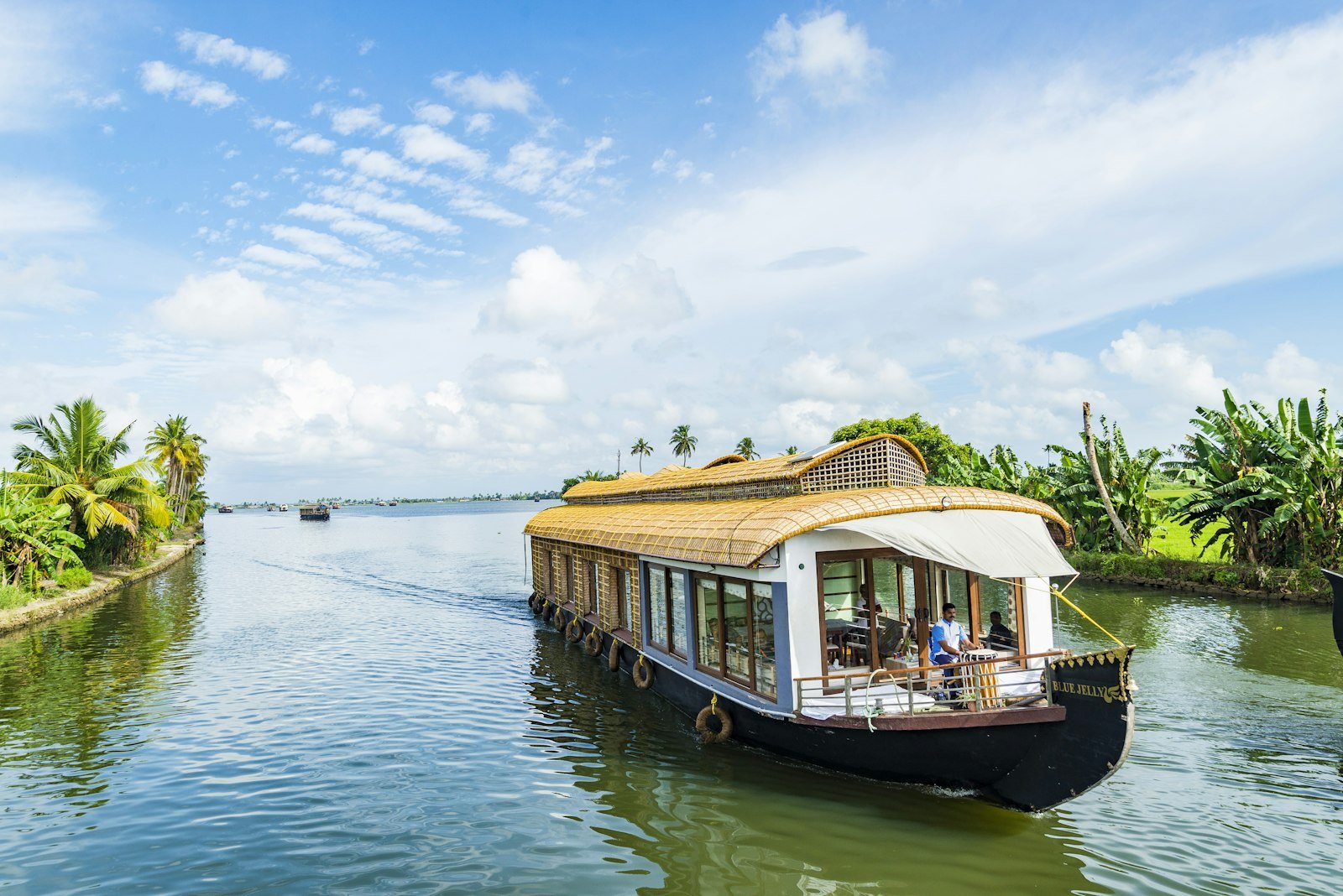
A 100-oared traditional snake boat chundan vallam cutting through the emerald backwaters of Kerala during Nehru Trophy
RIVER MARATHON • PUNNAMADA LAKE

Vallam Kali: The Thunderous Snake Boats — Travel To India

Over one hundred oarsmen crowd into a single 100-foot-long wooden canoe (*Chundan Vallam*). Chanting ancient rhythmic boat songs (*Vanchipattu*), their wooden oars slice through the backwaters like pistons in a roaring human locomotive. For international travelers, this section adds practical context to travel to India.

PLANNING YOUR TRAVEL ROUTE

The 12-Month Festival Almanac — Best Cultural Experiences In India

Where to be in India across each month to witness living heritage at its peak. This section also gives international visitors practical context for best cultural experiences in India.

January • Winter Harvest

Pongal (Tamil Nadu) & Lohri (Punjab): Roasting fresh sugarcane, boiling harvest milk pots, bonfire folk songs.

March • Spring Carnival

Holi (Mathura & Vrindavan): Royal elephant parades in Jaipur and legendary Braj temple color throwing.

July / August • Monsoon Swings

Teej (Rajasthan) & Hemis Festival (Ladakh): Green attire, decorated swings, and Buddhist cham mask dances.

October • Triumph of Light

Durga Puja (Kolkata) & Dussehra (Mysuru): Grand artistic pandals in Bengal and illuminated palace processions in Karnataka.

November • Illumination & Desert

Diwali (Site-Wide) & Pushkar Camel Fair: A million earthen lamps, Dev Deepawali in Kashi, 50,000 camels in Thar dunes.

December • Tribal Hornbill

Hornbill Festival (Nagaland): 17 indigenous Naga tribes gather in traditional headdresses, log-drum beats, and archery contests.

FIELD SURVIVAL & SENSITIVITY

How Foreign Travelers Can Participate Responsibly — India Travel Budget

Participating in an Indian festival is an unforgettable privilege, but massive crowds require situational awareness and respect. This India travel budget resource is designed to help international travelers plan with greater clarity.

✓ Savvy & Respectful Practices

  • Wear Clothes You Can Discard (Holi): Synthetic powders can stain permanently. Wear inexpensive white cotton, apply coconut oil to hair and skin beforehand to make wash-off easy, and wear cheap sunglasses to protect eyes.
  • Accept Sweets with Both Hands: When offered festive laddoos or barfi by families, receive it warmly with your right hand; it is considered sacred goodwill (*Prasad*).
  • Stay on the Periphery of Processions: When temple chariots or drumming troupes surge forward, watch from elevated shop verandas rather than diving into tight chokepoints.

✗ Common Traveler Mistakes

  • Solo Women Should Avoid Uncontrolled Street Holi: While community and hotel celebrations are joyous, public street intersections by afternoon can feature intoxicated groups. Join verified heritage celebrations in morning hours.
  • Never Touch Deity Idols During Processions: Devotees carrying palanquins are in sacred ritual states; maintain respectful distance and do not push through.
  • No Flash Photography During Rites: Avoid shining harsh LED flashes into the eyes of dancers, priests, or pilgrims in prayer.
PLANNING PRACTICAL DETAILS

Learn About Official Indian Visa Applications & Entry Rules

VISA & e-VISA GUIDE → TRAIN & TRANSIT GUIDE →
FIRSTHAND VOICES

Travelers' Reflections: The Interior Metamorphosis — Cost Of Traveling To India

Read firsthand philosophical dispatches and transformative journal excerpts from international guests across the subcontinent. This cost of traveling to India resource is designed to help international travelers plan with greater clarity.

Read Reflections →