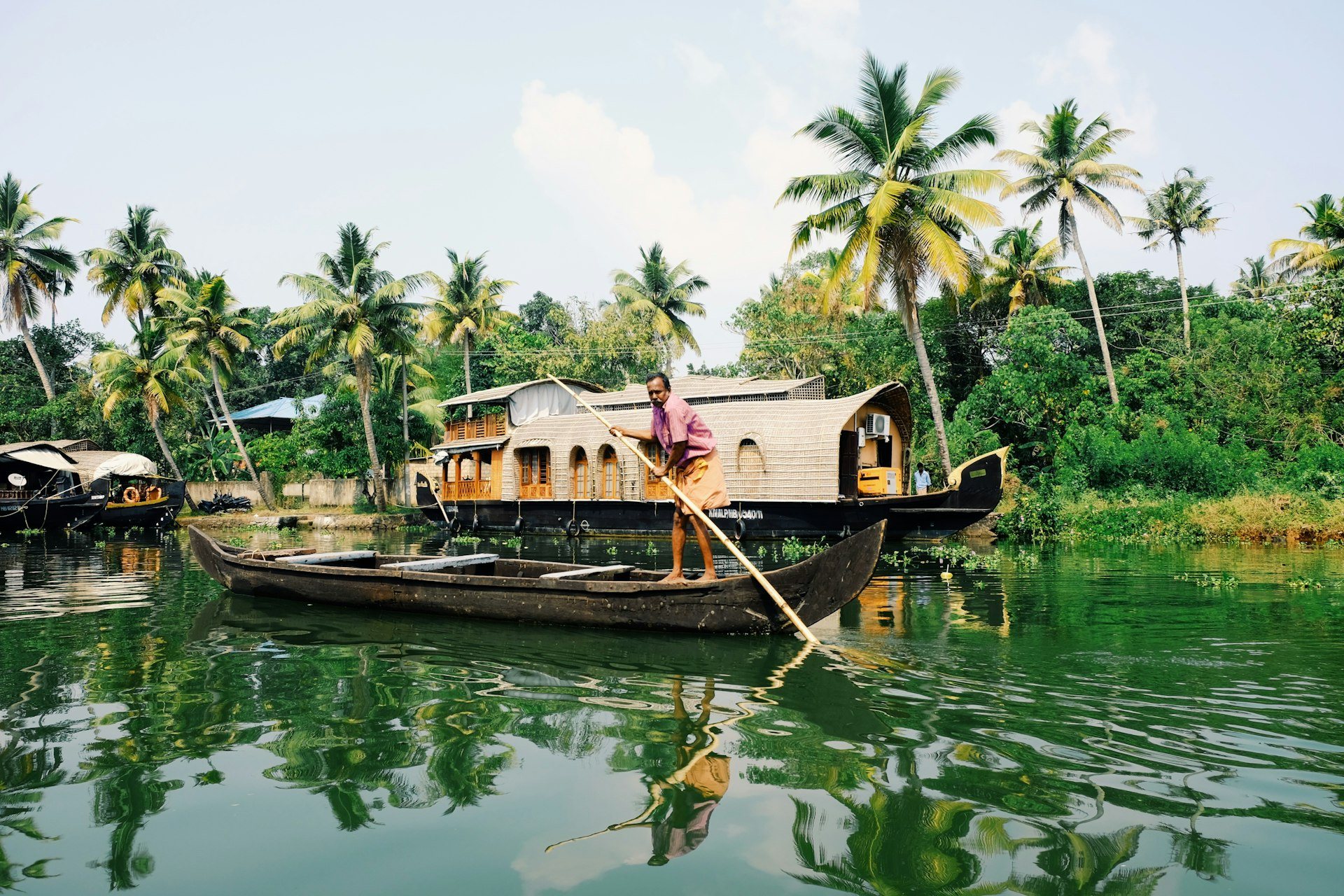
From Himalayan valleys and sacred rivers to desert landscapes, tropical coasts and ancient plateaus, India’s geography has shaped the cultures, beliefs and everyday lives of its people for thousands of years. For international travelers, this section adds practical context to places to visit in India.
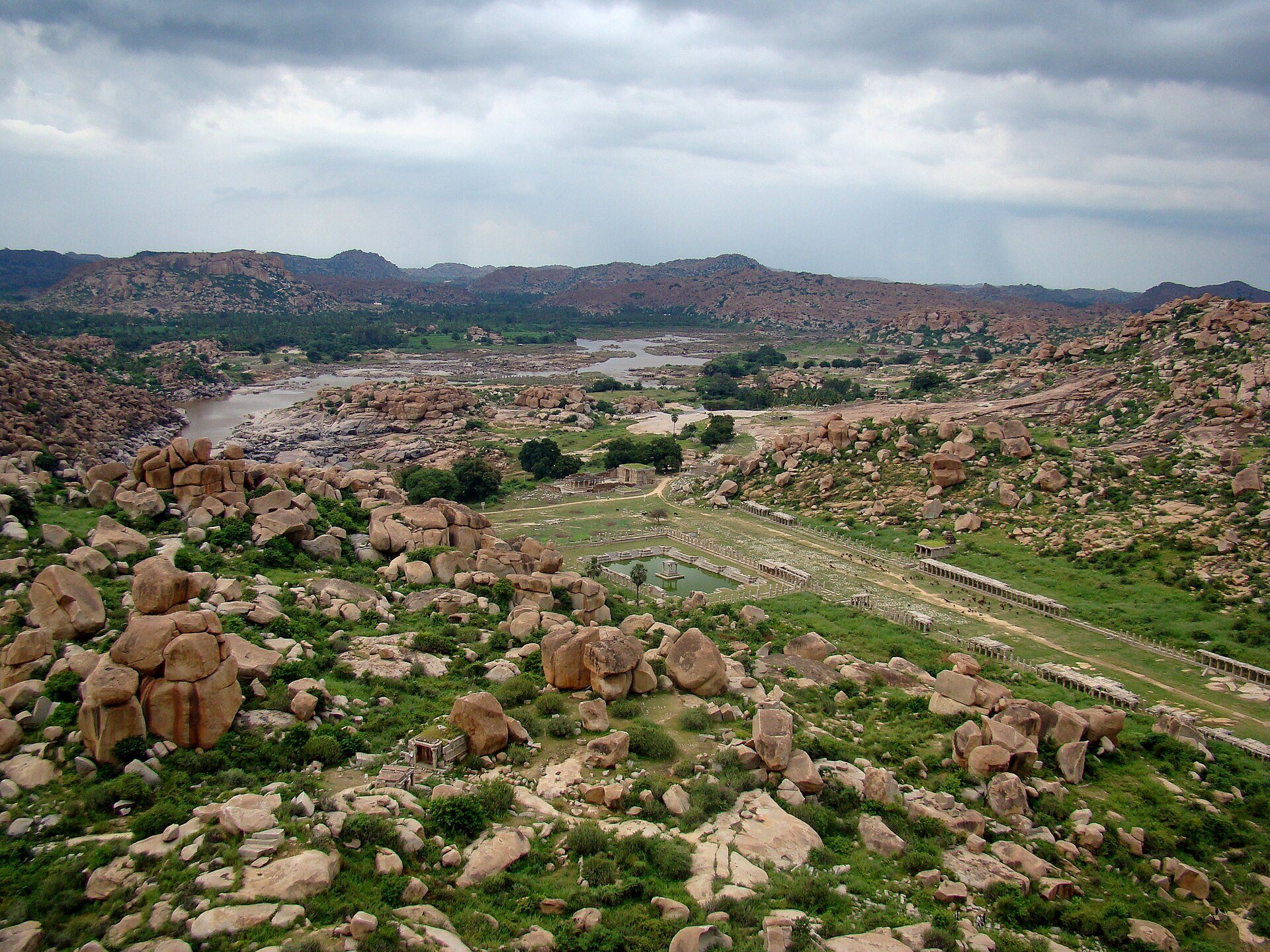
Long before it became a civilization or a republic, India was an isolated landmass speeding across a prehistoric ocean. For international travelers, this section adds practical context to India travel guide.
More than one hundred million years ago, as the supercontinent Gondwana broke apart, the Indian tectonic plate drifted northward across the ancient Tethys Sea at unprecedented geological speeds. Fifty million years ago, it collided with Eurasia. That colossal impact did not merely fold rock; it buckled ancient ocean beds eight thousand meters upward into the sky, creating the Himalayas—the highest mountain barrier on Earth.
Today, hikers along high Himalayan ridges find fossilized marine shells encased in limestone near summits touching the sky. Peninsular India, by contrast, rests upon volcanic shields over three billion years old. Before a single temple was carved or a single syllable chanted, India's physical stage was set: an ancient primordial bedrock guarded to the north by an icy tectonic rampart.
Geography in India has never served as a passive backdrop to human history; it has acted as the primary author of its culture. For international travelers, this section adds practical context to India tourism.
Bounded by the Himalayan citadel to the north and embraced by thousands of kilometers of ocean to the south, the Indian subcontinent emerged as an ecologically self-contained world. Within this vast triangular realm, diverse topographies—fertile river valleys, arid deserts, high plateaus, and rainforest belts—nurtured distinct languages, agricultural systems, and architectural traditions.
Yet, despite natural internal barriers, India never fractured permanently into hostile nation-states. Mountain passes like the Khyber functioned not as walls, but as porous gateways through which pilgrims, traders, and philosophies flowed continuously. The physical landscape became the cradle for one of humanity's oldest continuously evolving cultural traditions.
The continuous collision between the Indian and Eurasian plates still raises the Himalayas approximately 5 millimeters per year.
Connecting ancient Indian ports directly to the Roman Empire, Egypt, Persia, and the seafaring empires of Southeast Asia.
From sea-level coastal backwaters to permanent glaciated mountain passes in under six hundred kilometers.
“India is not an ethnic or political accident; it is an ecological inevitability where geography dictated how humans spoke, worshipped, and built.”
Curatorial Council • India Unfiltered Research PapersTo international travelers, the Himalayas appear as a sheer fortress of ice; to Indian thought, they are the sacred axis where earth and sky converse. This section is especially useful for travelers researching Ladakh trip.
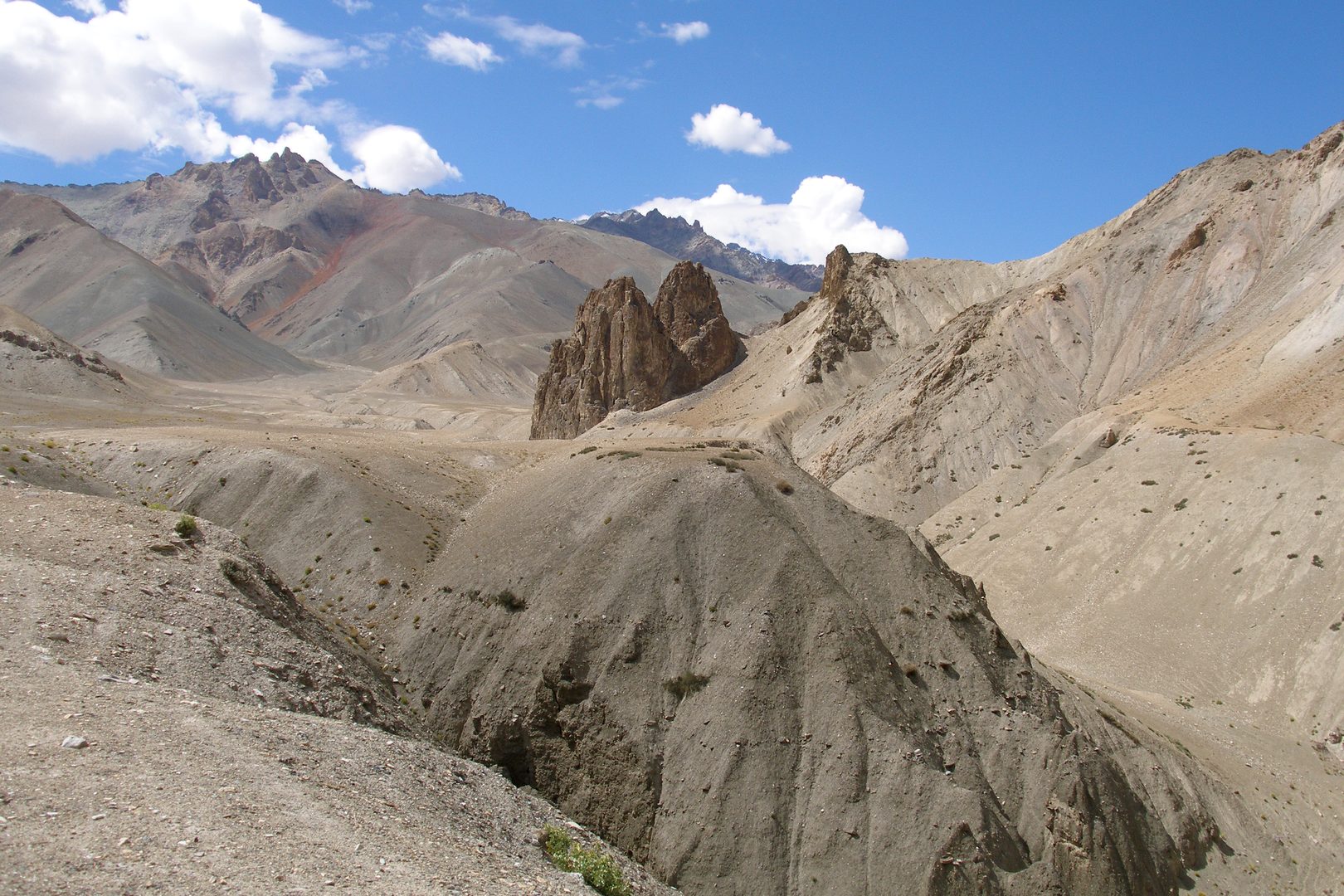
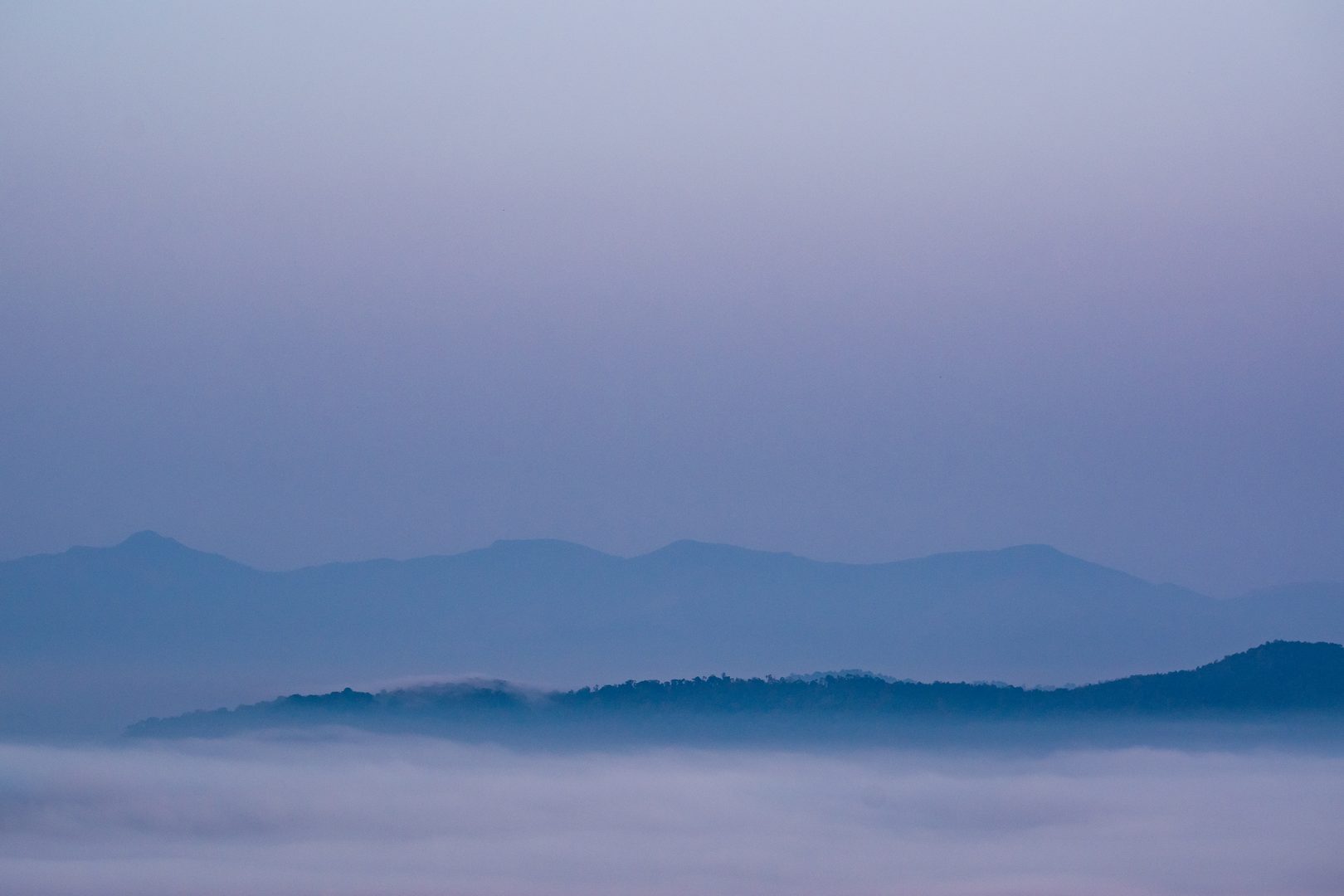
Stretching over 2,400 kilometers across northern India, the Himalayas—from the Sanskrit Himālaya, meaning 'abode of snow'—perform two vital ecological roles. Physically, they capture the moisture-rich clouds of the southwest monsoon, ensuring life-giving rainfall across the subcontinent while deflecting freezing Arctic winds from Central Asia.
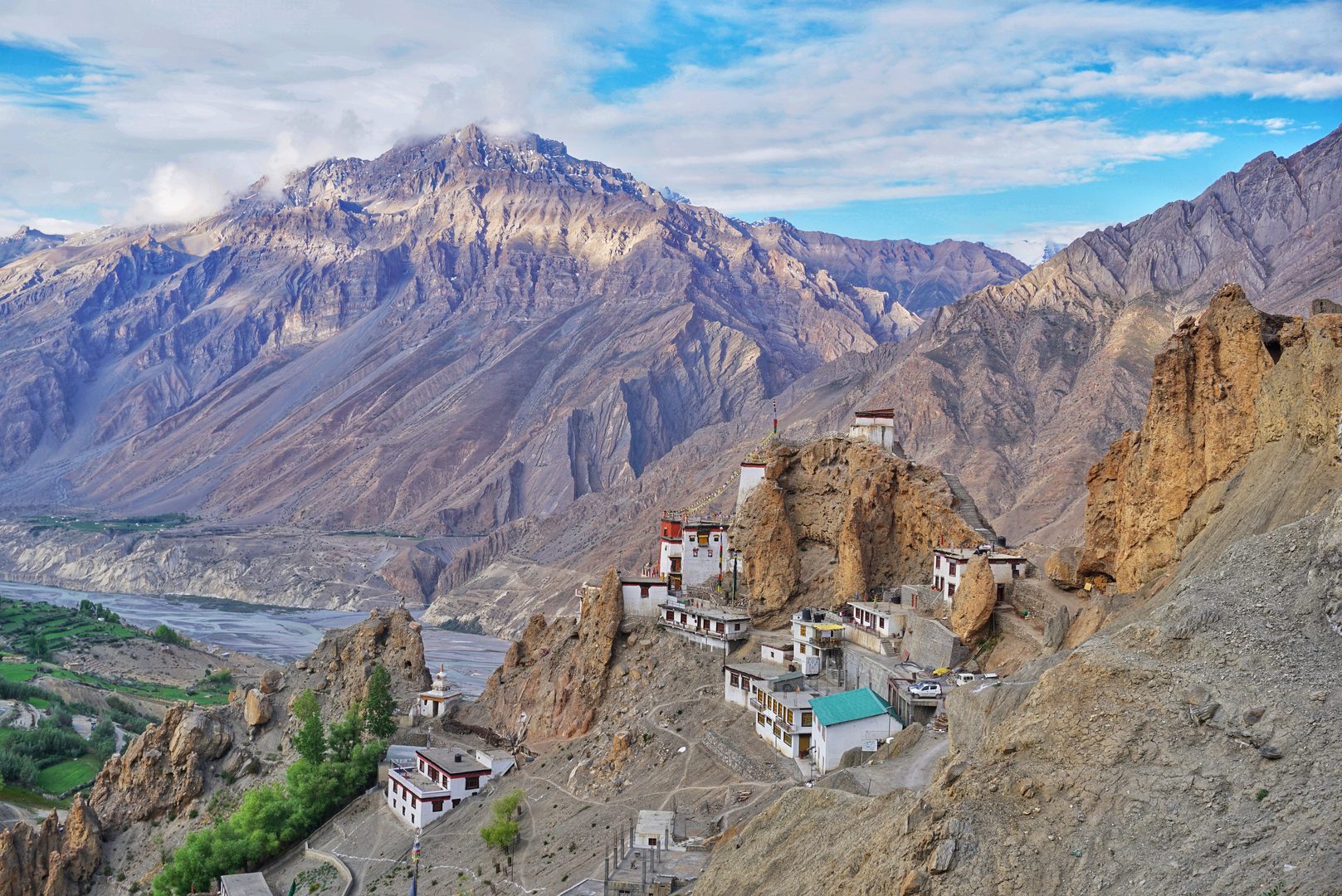
Metaphysically, these soaring summits became the sanctuary of hermits, philosophers, and seekers of inner stillness. In high-altitude cold deserts like Ladakh and Spiti, ancient Tibetan Buddhist monasteries cling to granite cliffs, their prayer flags fluttering in thin alpine air as reminders of enduring spiritual contemplation.
Delve into Ladakh, Spiti Valley, high-altitude Buddhist gompas, and trans-Himalayan mountain passes.
If the mountains represent stillness, India's rivers are the roaring, fertile, maternal manifestation of life itself. This section helps visitors understand spiritual places in India as part of a thoughtful India journey.
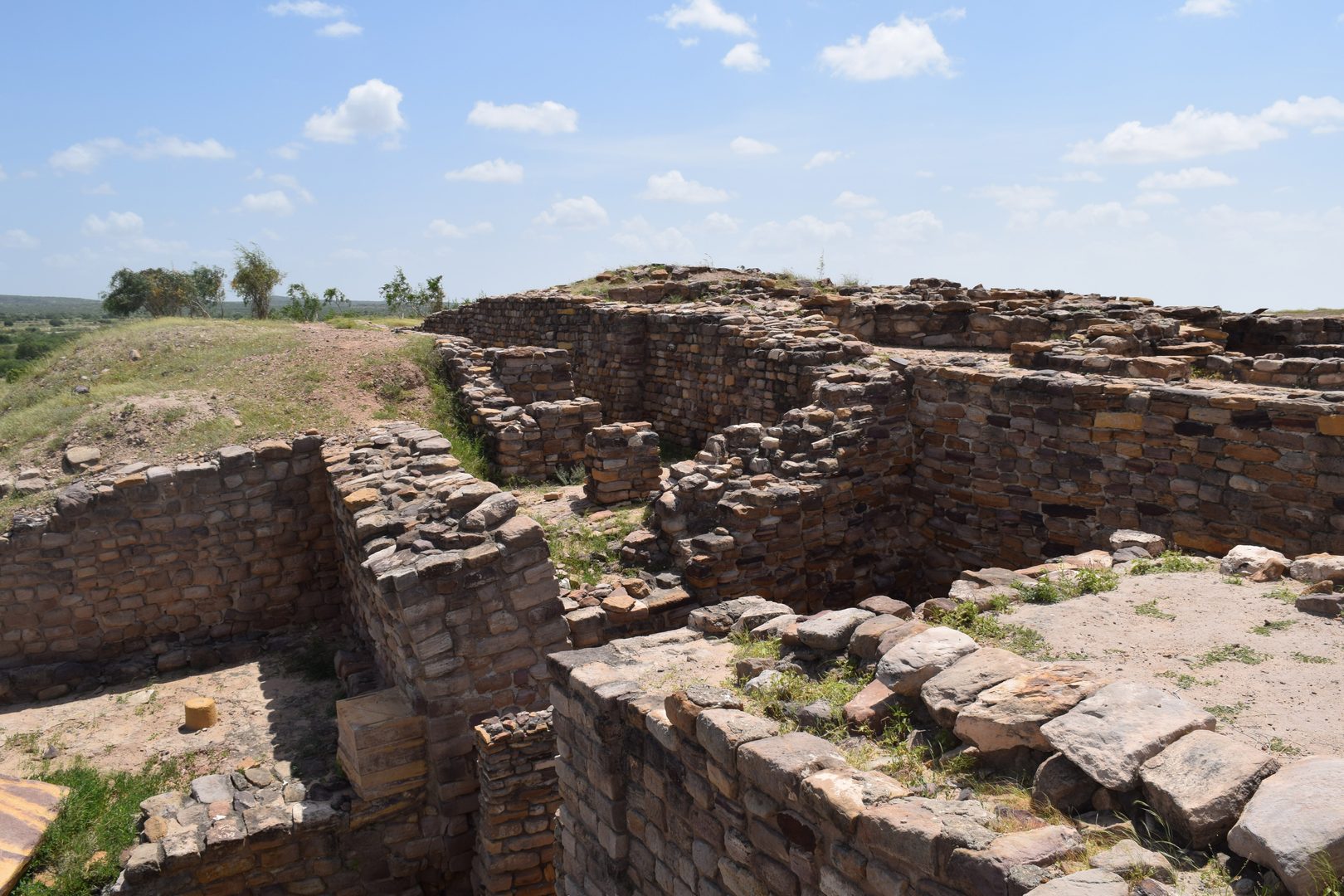
The vast northern plains are nourished by three monumental river systems: the Indus, the Ganga, and the Brahmaputra. Five millennia ago, the Indus basin fostered the Harappan civilization—a Bronze Age urban culture boasting paved brick streets, granaries, and advanced hydraulic drainage systems.
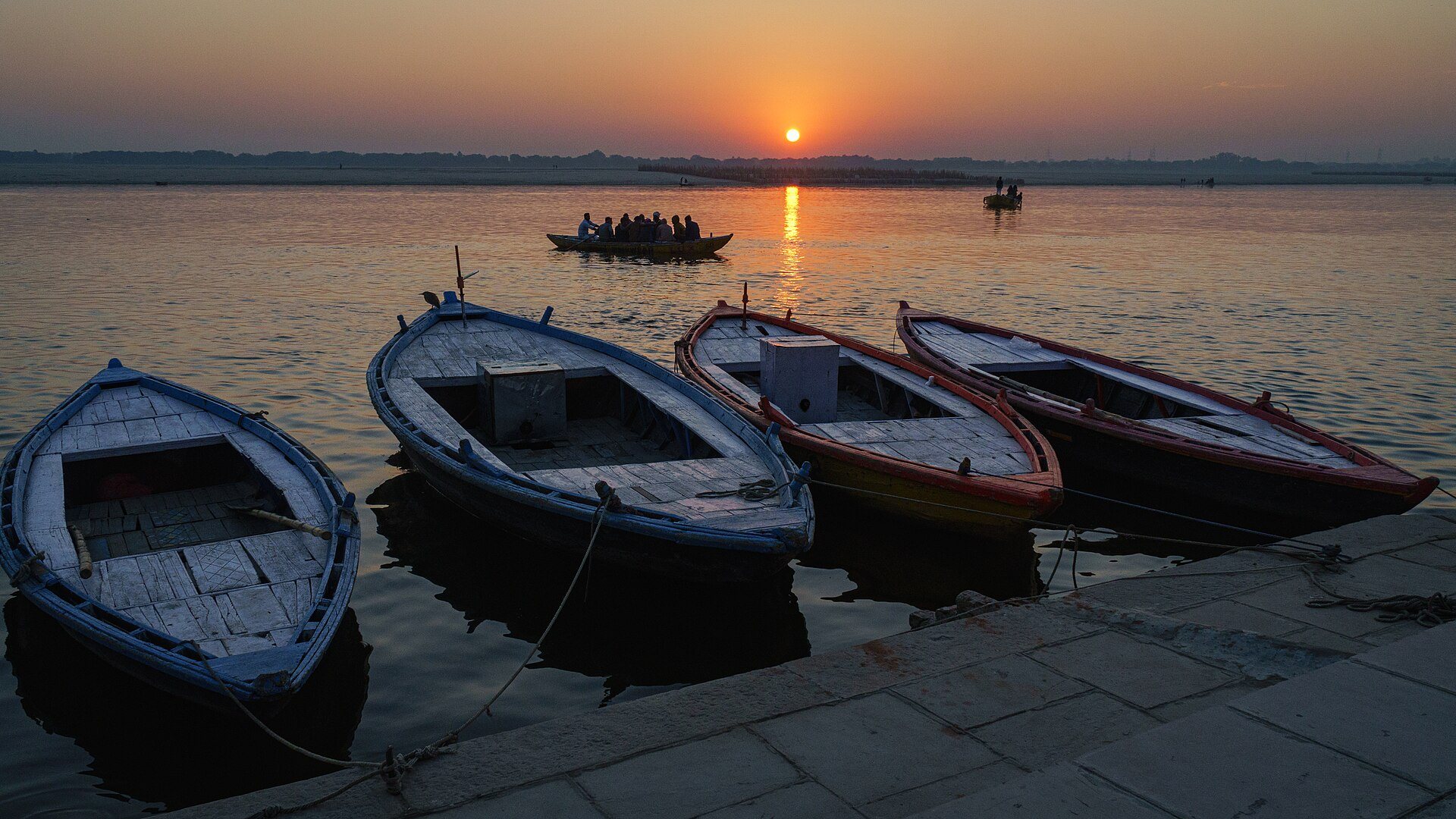
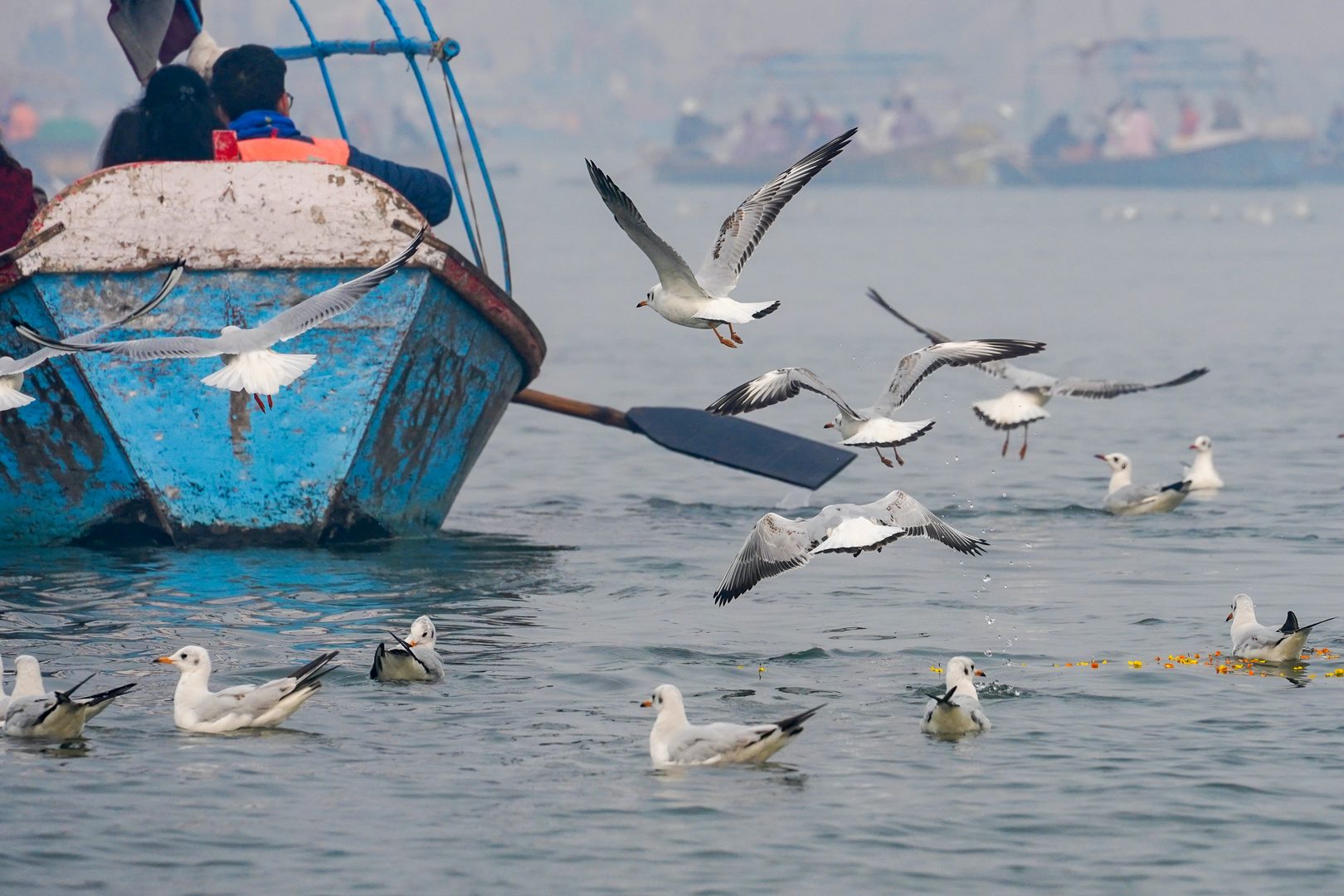
Further east stretches the fertile basin of the sacred Ganga, feeding over five hundred million people. On its banks rests Varanasi (Kashi), continuously inhabited for three thousand years. Here, life and mortality meet at carved stone ghats (ceremonial riverfront steps), where dawn prayer ablutions and evening flame rituals (aarti) unfold beside the tranquil river.
An international visitor's guide to river ceremonies, ashrams, and inner contemplation in Rishikesh and Varanasi.
To understand Indian spirituality, one must recognize that holiness is not confined to shrines; the land itself is revered as sacred. This section also gives international visitors practical context for cultural experiences in India.
In classical Indian thought, the highest spiritual journey is a pilgrimage to a tirtha. The term translates literally as a 'ford' or 'shallow crossing' in a river, where a traveler may safely cross to the opposite bank. Metaphorically, a tirtha came to signify any landscape feature—a river confluence, mountain pass, or ocean cape—where the boundary between the mundane and the transcendent becomes thin.
Ancient sages mapped this sacred geography across the continent through the Char Dham (Four Abodes), anchoring the four cardinal directions: Badrinath in the north, Puri in the east, Dwarka in the west, and Rameswaram in the south, uniting a sprawling continent into an interconnected spiritual whole.
“Sacred geography in India is a vast, interconnected network of tirthas—spiritual fords where the pilgrim crosses from the mundane to the transcendent.”
Prof. Diana L. Eck • Author of 'India: A Sacred Geography'In the Great Indian Desert of Rajasthan, where the horizon shimmers with golden heat, survival became an architectural art form. This section is especially useful for travelers researching places to visit in Rajasthan.
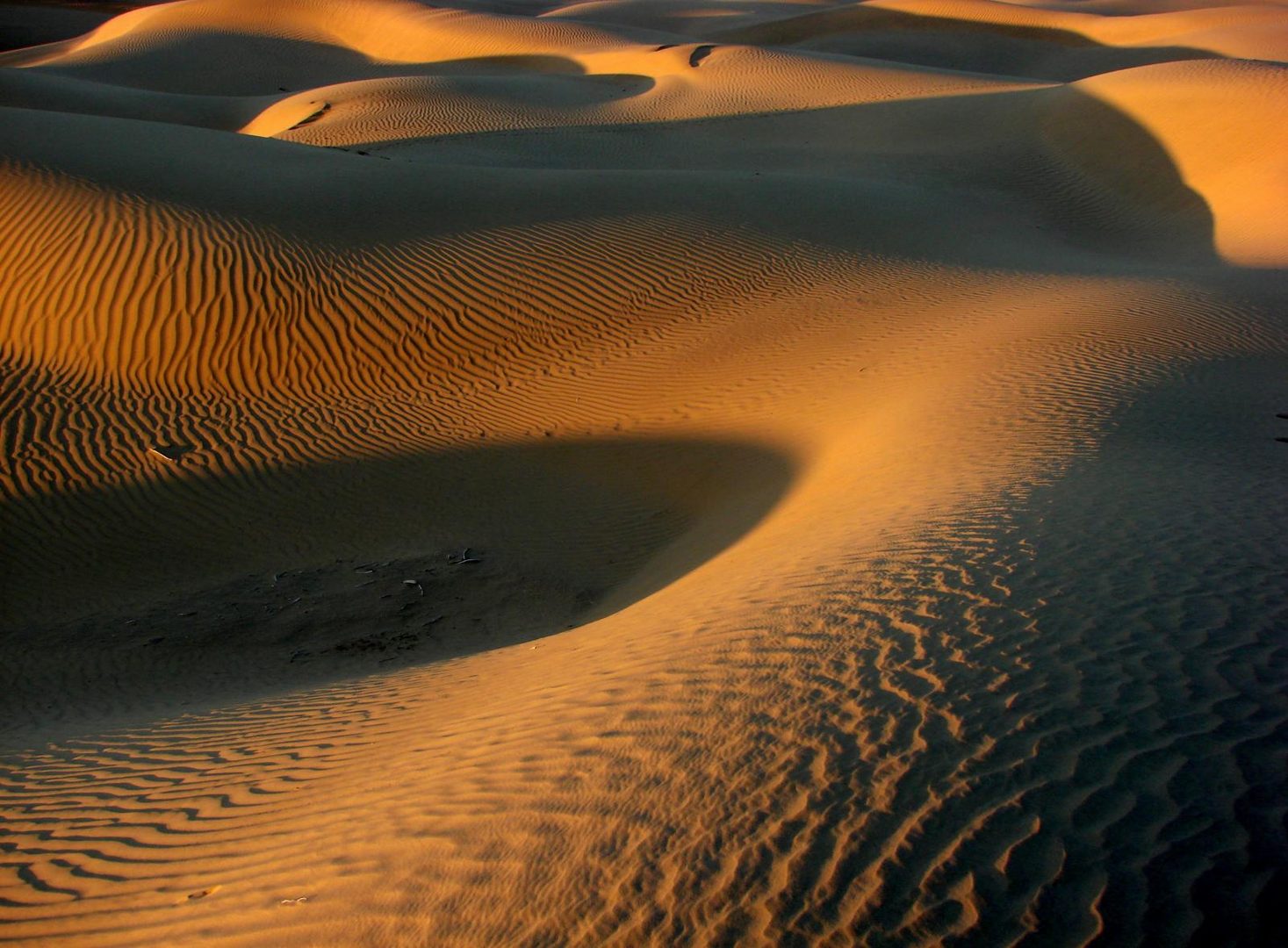
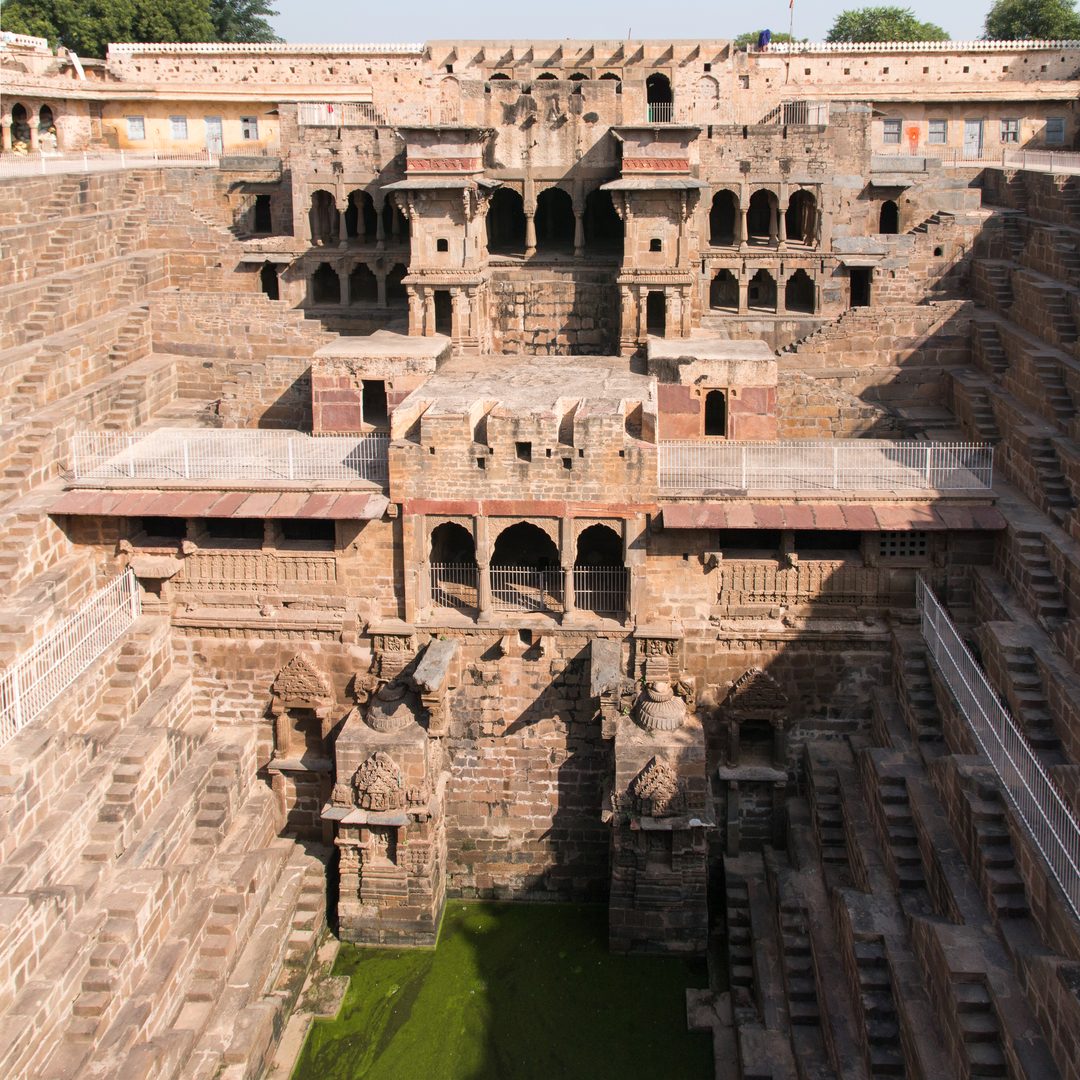
The Thar Desert covers nearly two hundred thousand square kilometers of western India. Deprived of perennial rivers, Rajasthani builders inverted traditional architectural design: instead of building upward into the scorching sky, they carved subterranean water palaces downward into the cool earth.
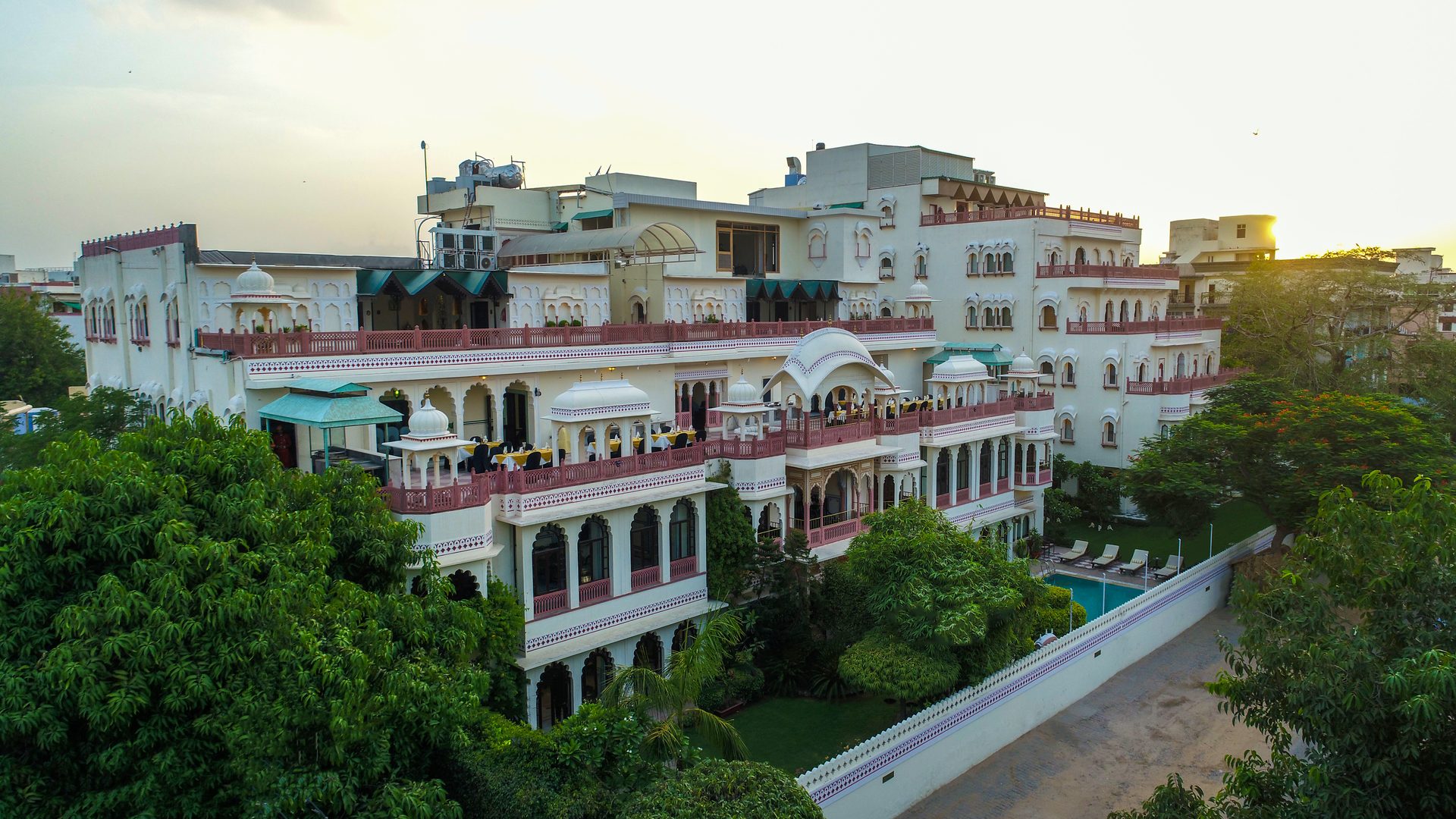
These stepwells—known as baoris or vavs, such as the geometric marvel of Chand Baori—descend multiple storeys below ground to harvest precious monsoon runoff. To counterbalance the monochrome sands, desert communities developed radiant aesthetic traditions: vibrant saffron turbans, mirrored tie-dye textiles, and soulful sarangi melodies echoing across campfire dunes.
Discover our dedicated guide to the Thar desert citadels, painted havelis of Shekhawati, and Rajput architecture.
South of the Vindhya mountains lies the ancient triangular heartland of India: the Deccan Plateau, born of prehistoric volcanic fires. For international travelers, this section adds practical context to India tourism.
Key themes include places to visit in India, Ladakh trip, spiritual places in India, helping international travelers plan an informed and memorable journey.
Sixty-five million years ago, immense volcanic eruptions blanketed half a million square kilometers beneath basalt lava sheets thousands of feet deep—the Deccan Traps. Weathering transformed these layers into fertile black soil, exceptionally rich in minerals and moisture.
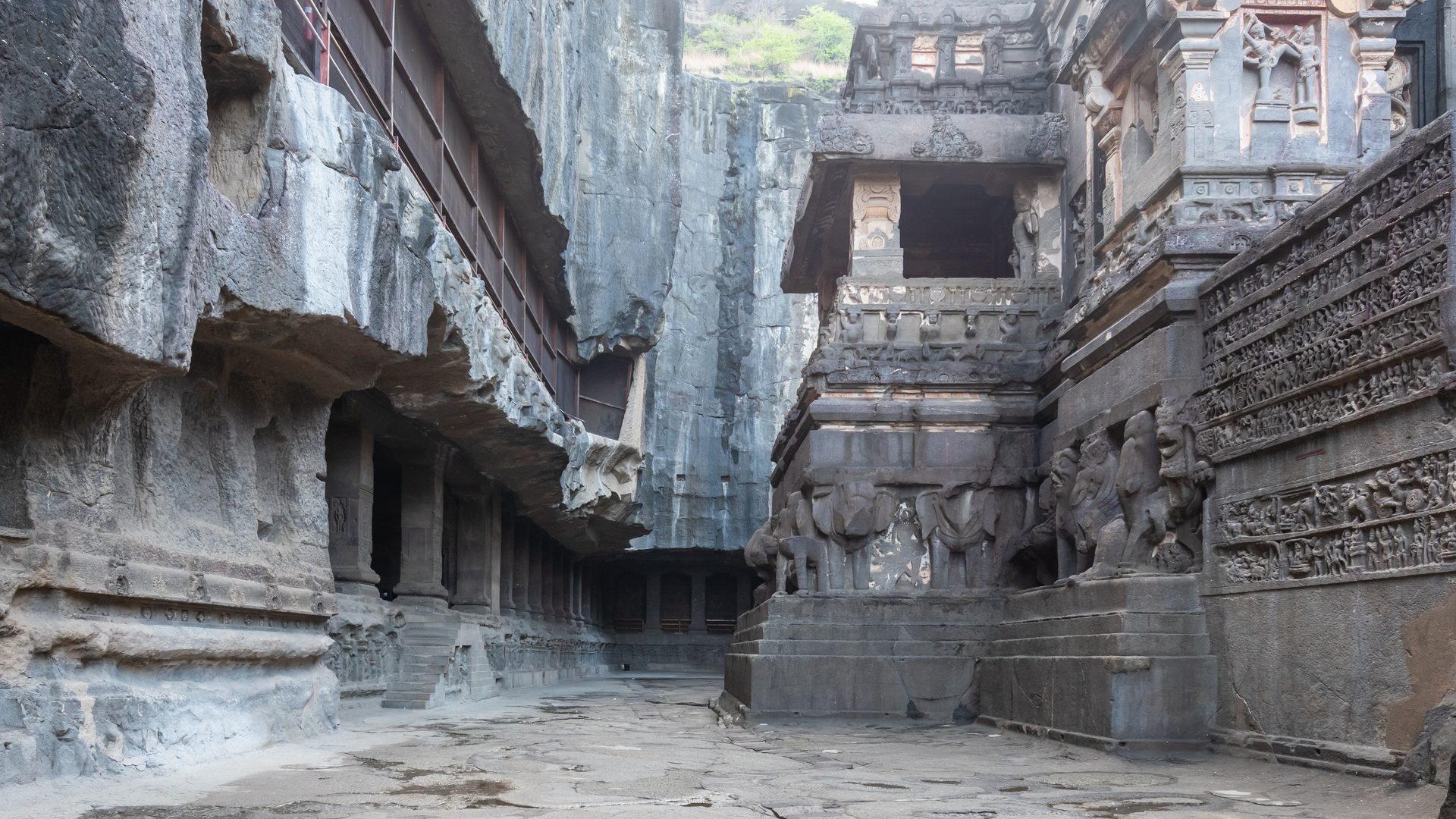
Because this volcanic stone is dense and stable, ancient master artisans pioneered subtractive architecture. At Ellora in Maharashtra, 8th-century stonecutters chiselled two hundred thousand tons of rock downward to sculpt the monolithic Kailasa Temple. Further south at Hampi, surreal pink granite boulder fields gave rise to the Vijayanagara Empire's musical stone pillars.
Explore the granite ruins of Hampi, Badami cave temples, and Ellora's rock-cut basalt sanctuaries.
Running parallel to the Arabian Sea is the Western Ghats—the Sahyadri—an unbroken mountain chain older than the Himalayas. This section helps visitors understand spiritual places in India as part of a thoughtful India journey.
Recognized by UNESCO as one of the planet's primary biodiversity hotspots, the Western Ghats capture the moisture of the Arabian Sea monsoon. Their steep rainforest slopes give birth to southern India's major rivers—the Godavari, Krishna, and Kaveri—which flow eastward into the Bay of Bengal.
For millennia, these misty shola cloud forests were the world's exclusive source of wild black pepper and cardamom, commodities so precious that ancient Rome traded gold coin reserves to secure them. Today, these mist-wrapped ridges provide sanctuary to endangered lion-tailed macaques, hornbills, and emerald tea valleys.
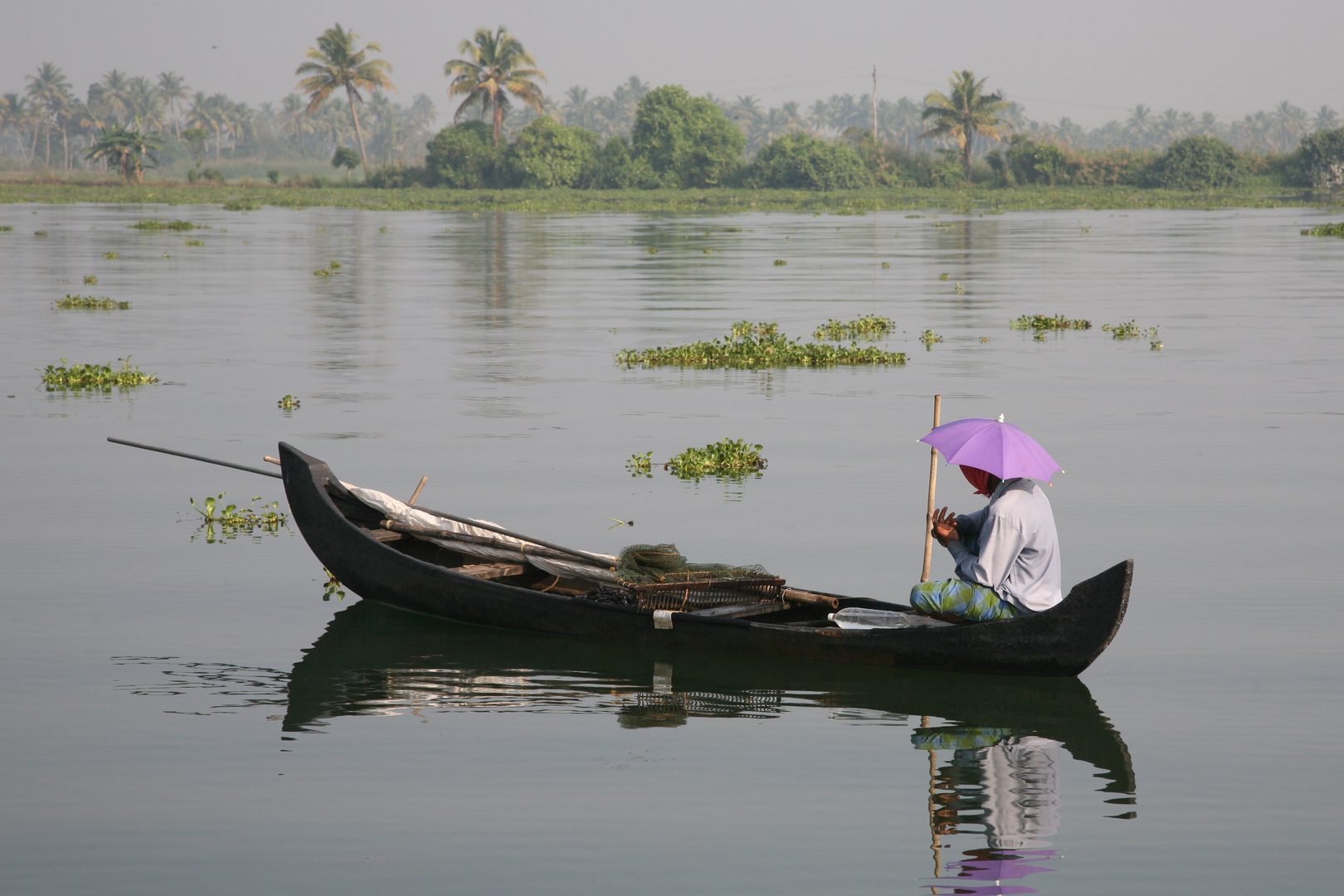
Discover emerald backwater waterways, spice hills, and ancient Ayurvedic healing traditions.
Though often envisioned through its continental interior, India's 7,516-kilometer coastline made it the commercial pivot of the ancient Indian Ocean. This section is a useful starting point for international travelers interested in wildlife tourism India.
From the ancient dockyards of Lothal in Gujarat—the earliest known tidal port, dating to 2400 BCE—to the spice harbors of Kerala, India's coasts have always looked outward across the seas. Along the Malabar coast, Roman merchant fleets rode seasonal monsoon winds to trade for spices and fine muslins at the historic port of Muziris.
This maritime corridor welcomed early Syrian Christians in 52 CE, Jewish merchant communities in Kochi, and Arab traders long before inland migrations. On the eastern coast, the seafaring Chola dynasty launched naval voyages across the Bay of Bengal, fostering cultural ties with Southeast Asia that endure today.
Cradled between the Eastern Himalayas and Myanmar lies India's verdant Northeast—a region where torrential rains inspire living botanical architecture. This section is especially useful for travelers researching Northeast India travel guide.
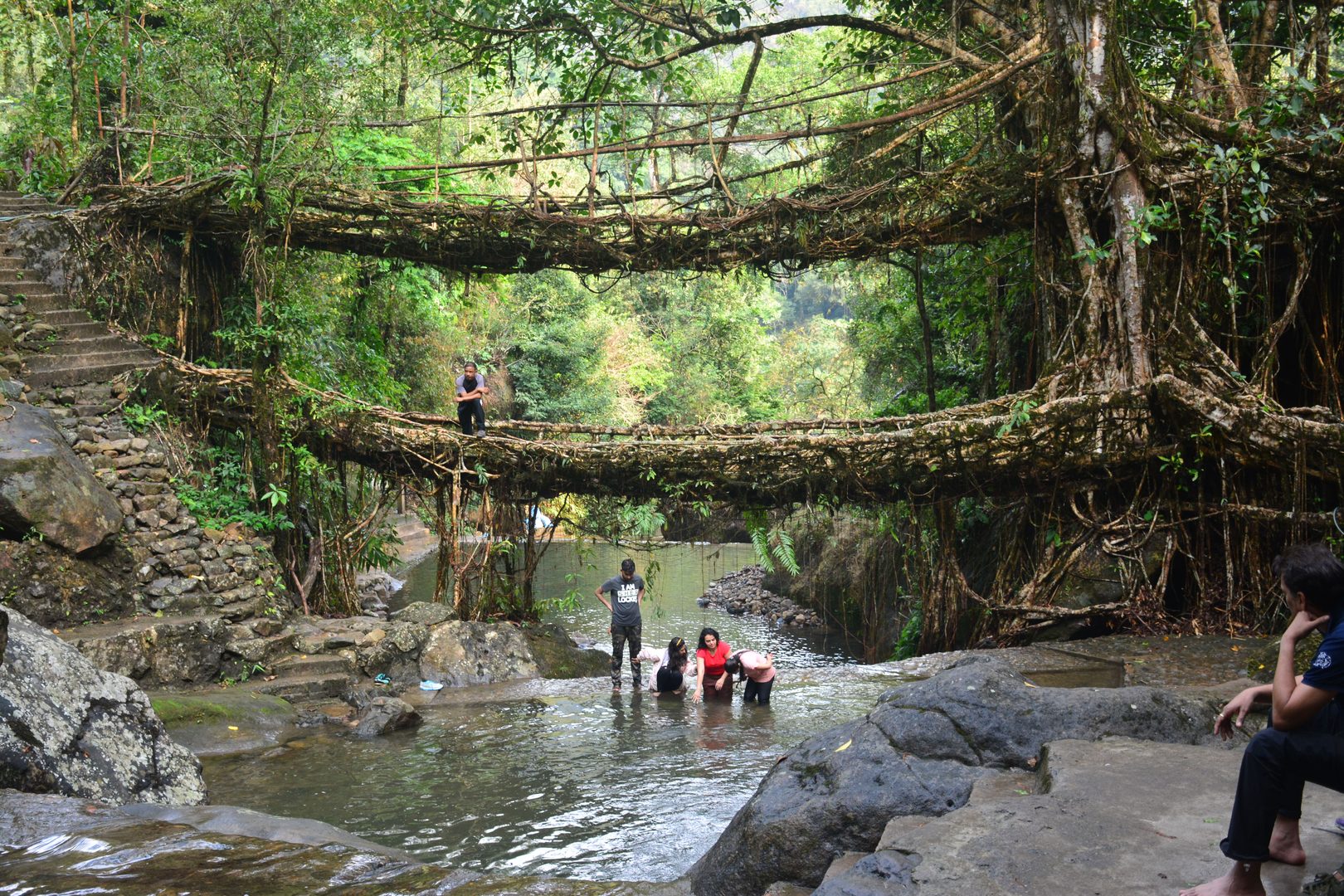
Known colloquially as the 'Seven Sisters', this mountainous territory receives the highest annual rainfall on Earth. In the subtropical jungle valleys of Meghalaya, indigenous Khasi and Jaintia communities created a revolutionary botanical engineering solution to span flooded monsoon torrents.
By guiding the aerial roots of the Ficus elastica (Indian rubber fig) across swollen rivers over decades, they grew living root bridges (Jingkieng Jri). Unlike timber or concrete bridges that rot in tropical moisture, these living structures grow stronger with age, weaving a bond between community and living forest.
Discover living root bridges, Assam's Brahmaputra tea estates, Majuli river island, and Kaziranga wildlife.
The diversity of India's cuisine, architecture, and textiles is an organic translation of topography into daily life. For international travelers, this section adds useful context to Indian street food.
In the sunlit northern plains, golden wheat, mustard oil, and rich dairy flourish under continental seasons. Along tropical coastlines, coconut milk, curry leaves, and fresh sea catch define the palate. In the dry interior of Rajasthan and the Deccan, hardy millets like bajra, paired with lentils and preserved vegetables, sustain communities through seasonal droughts.
Architecture tells the same environmental story: Rajasthani havelis use porous sandstone to buffer daytime heat; Kerala dwellings use red laterite and steeply pitched tiled roofs to shed monsoon deluges; southern temple cities carve hard granite into monumental halls. What the earth provides, human ingenuity elevates into cultural expression.
| Geographical Zone | Predominant Stone / Medium | Culinary Staples | Living Craft & Textile |
|---|---|---|---|
| Himalayan Valleys | Pine timber & schist stone | Barley, fermented tea, walnuts | Pashmina & yak wool weaving |
| Indo-Gangetic Basin | Sun-baked mud & alluvial brick | Wheat, mustard greens, dairy | Varanasi silk brocade & Chikan |
| Thar Desert | Yellow & pink sandstone | Pearl millet (bajra), dried lentils | Bandhani tie-dye & block print |
| Deccan Plateau | Hard basalt & pink granite | Sorghum (jowar), peanuts, red chili | Bidri metal craft & Paithani silk |
| Tropical Coastlines | Red laterite & teak wood | Rice, coconut, tamarind, sea fish | Coir weaving & Kasavu cotton |
Discover the geographic origins of India's silk handlooms, pottery, Bidri inlay, and brass casting traditions.
To visit India expecting a single monolithic identity is to misunderstand the continental breadth of its spirit. For international travelers, this section adds practical context to India tourism.
With twenty-two official languages and hundreds of living dialects, India is not a melting pot that dissolves differences, but an intricate mosaic where each piece retains its distinct identity while enriching the broader canvas.
Here, 3,000-year-old Vedic chants whispered during dawn river prayers coexist seamlessly with instantaneous digital UPI smartphone transactions. World-class technology campuses in Bengaluru thrive alongside handloom weaving guilds in Varanasi. At the heart of this pluralism is Atithi Devo Bhava—the philosophy that 'the guest is an embodiment of the divine'—welcoming international travelers into a living civilisational dialogue.
Discovering India does not mean checking off a list of famous landmarks; it means tuning your senses to the rhythm of an ancient land. This things to know before traveling to India resource is designed to help international travelers plan with greater clarity.
The most meaningful journey through India requires shedding haste. It asks you to pause on a quiet stone river ghat as dusk gathers; to breathe the scent of warm earth after the first monsoon shower; to listen to the wooden rhythm of handlooms in an artisan quarter; and to stand before mountain vistas carved by millions of years of earth history.
Geography gave India its grandeur; its people imbued it with spirit. As you explore this vast realm, travel with patience, curiosity, and cultural reverence. India does not reveal herself all at once, but to the mindful traveler, she offers an encounter that reshapes how you understand the world.
Explore our 6 Masterclass Travel Corridors: from the Golden Himalayan Triangle to the Malabar Spice Trail.