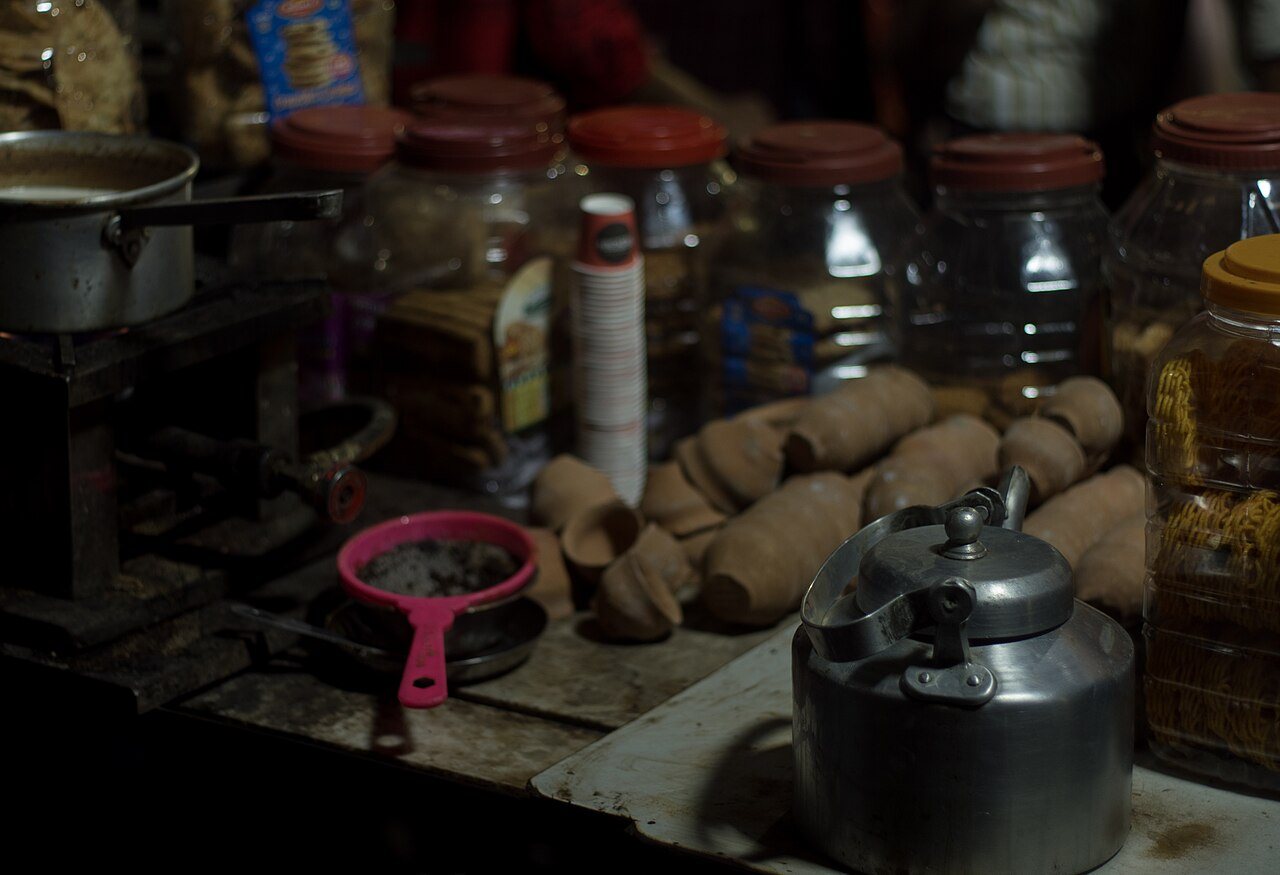
Warm, welcoming community gathering and reassuring street-side hospitality in an Indian neighbourhood
THE PRACTICAL HANDBOOK • NO FEARMONGERING

India Travel Safety Tips: The Mindful Code — India Travel Itinerary

India is neither an effortless stroll nor an inherently dangerous land. It is an immense, welcoming, and high-sensory civilisation where millions of international travelers — including solo female backpackers — travel safely every single year. Success in India requires situational awareness, calm boundaries, and local street wisdom. This India travel itinerary resource is designed to help international travelers plan with greater clarity.

These India travel safety tips address common questions such as is India safe for tourists, with India travel tips for foreigners and practical advice for first time traveling to India.

DEMISTIFYING THE PERCEPTION

Moving Beyond Fear: The Reality of Indian Travel — India Travel Tips

Sensationalist international news headlines often depict India as chaotic and hostile. The daily reality is vastly different: violent street crime against foreign visitors is extraordinarily rare. What travelers actually encounter is high human density, overwhelming sensory stimuli, and occasional commercial hustlers. This India travel tips resource is designed to help international travelers plan with greater clarity.

Radical Community Hospitality

India operates on deep communal watchfulness. If a traveler trips or appears lost, half a dozen shopkeepers will immediately offer a stool, a glass of water, and directions. Communities care for guests.

The Power of Calm Boundaries

You do not need to be rude to establish boundaries. A firm, polite shake of the head with “Nahin, shukriya” (No, thank you) accompanied by continuous walking neutralizes 99% of persistent street touts.

Trusting Your Gut Intuition

If an alleyway feels too dark, or a taxi driver's demeanor makes you uncomfortable, do not hesitate to exit or decline. Your intuitive comfort always takes precedence over worrying about “offending” someone.

FIELD PROTOCOLS BY SCENARIO

Navigating Transit, Stays & Night Arrivals — First Time Traveling To India

Most logistical friction occurs during transitions between cities, stations, and hotels. Follow these standard field protocols: This first time traveling to India resource is designed to help international travelers plan with greater clarity.

AIRPORT ARRIVAL

Prepaid Booths or App Cabs Only — Travel To India

Never accept rides from independent touts walking up to you inside the arrivals hall. Walk outside to the official government Pre-Paid Taxi Booth (Delhi Police / Traffic Police counter) or book via Uber / Ola using the airport's designated pickup zone. For international travelers, this section adds practical context to travel to India.

OVERNIGHT TRAINS

Book 2AC or 3AC Upper Berths — Visit India

For solo travelers, booking an Upper Berth (*UB*) in 2AC or 3AC tier keeps your personal space private throughout daytime hours. You can climb up, read, and sleep without fellow passengers sitting on your bed. Always padlock your bag under the lower seat. For international travelers, this section adds practical context to visit India.

HOTEL SELECTION

Verified Heritage Homestays — Indian Architecture

Favor verified boutique homestays or heritage properties with multiple recent international reviews over anonymous budget lodges in congested alleys. Request hotel transfers if arriving after 10 PM. International travelers can use this section when exploring Indian architecture.

Key themes include India travel tips for foreigners, first time traveling to India, India travel guide, helping international travelers plan an informed and memorable journey.

MONEY & DOCUMENTS

The Three-Tier Wallet Split — India Travel Guide

Keep your passport, backup credit card, and large currency locked in your hotel safe. Carry a daily pouch with ₹1,000 to ₹2,000 in small notes (₹50, ₹100, ₹200) for daily markets so you never flash large sums in public. For international travelers, this section adds practical context to India travel guide.

PERSPECTIVES FROM FEMALE WRITERS

The Solo Female Traveler's Playbook — First Time Traveling To India

Thousands of solo women explore India triumphantly every year. The primary difference from traveling in Western Europe is understanding the cultural meaning of public dress, personal gaze, and transit segregation. This first time traveling to India resource is designed to help international travelers plan with greater clarity.

  • Modest Breathable Attire: Loose cotton tunics (*Kurtas*) covering shoulders, chest, and hips paired with linen trousers or cotton leggings deflect unwanted prolonged stares and signal cultural respect. Carry a light cotton scarf (*Dupatta*) to drape across the chest or cover your head.
  • Dedicated Women-Only Coaches: In Delhi and Mumbai metro networks, the very first car of every train is strictly reserved for women. In overnight Indian Railways trains, women traveling solo can book berths in female quotas.
  • Handling the Stare: In rural towns, intense staring is often curiosity rather than aggression. Do not smile or engage in prolonged eye contact with unfamiliar men on the street, as this can be misinterpreted as flirtatious interest. Put on dark sunglasses and look straight ahead with purpose.
  • Forming Alliances with Local Women: When confused, approach an Indian mother, female shopkeeper, or family. Indian women are fiercely protective of female travelers and will happily guide you.
RECOMMENDED SOLO DESTINATIONS

Great Gentle Entry Points for Solo Travelers

If visiting India for the first time alone, consider starting in regions with gentle tourism pacing and high literacy:

  • Kerala & Fort Kochi: Relaxed coastal cafe culture, high safety indices, friendly homestays.
  • Rishikesh & Uttarakhand: Pedestrian ashram town, alcohol-free, tranquil yoga community.
  • Udaipur (Rajasthan): Romantic pedestrian old town centered around Lake Pichola.
  • Ladakh (Himalayas): Peaceful Buddhist monastery culture, exceptionally safe and hospitable.
STREET INTELLIGENCE

The Scam Decoder: Tactics & Countermeasures — Best Time To Visit India

Street hustles in India are rarely violent; they are psychological theater designed to redirect your wallet to commission-paying souvenir shops or fake travel desks. Here is how they work: This best time to visit India resource is designed to help international travelers plan with greater clarity.

1. “Your Hotel Has Burned Down / Road Is Closed” Near New Delhi Railway Station (NDLS) & Paharganj
The Tactic: An auto driver or well-dressed bystander claims your booked hotel is closed due to a riot, fire, or VIP festival, offering to take you to the “official government tourist bureau” instead.
The Antidote: Never believe them. Call your hotel directly on your mobile phone in front of them. Insist firmly: “Take me to my hotel address anyway.” If they refuse, get out and hail another driver.
2. The Friendly Student / Gem Export Proposal Jaipur & Agra
The Tactic: A charming young stranger invites you for tea, shows you family gem stones, and proposes that you carry a package to your home country under your tourist tax allowance to earn a quick $2,000 commission.
The Antidote: A classic scam. The gems are synthetic glass, and your credit card will be charged thousands. Say firmly: “I do not participate in any commercial trade while traveling.”
3. The Pushy “Blessing” at Sacred Lakes Pushkar Holy Lake & Haridwar Ghats
The Tactic: A priest thrusts flower petals into your palm, chants prayers for your family, ties a red thread (*kalawa*) on your wrist, and then aggressively demands a mandatory ₹2,000 to ₹5,000 “donation”.
The Antidote: If someone hands you petals uninvited, do not close your hand. Hand them back or place them gently on the ground and say “No puja”. A genuine voluntary donation is ₹20 to ₹50.
STAYING CONNECTED

Data, eSIM & Local SIM Cards — Visit India

A working smartphone with cellular data is your greatest safety tool in India. It enables live GPS tracking in taxis, UPI payments, and instant translation. For international travelers, this section adds practical context to visit India.

  • Buying an Airport Physical SIM: Major international airports (Delhi, Mumbai) have official kiosks for Airtel and Jio. Present your original passport, Indian visa copy, and a passport-size photo. It activates within 2 to 4 hours.
  • Pre-Arrival eSIM (Airalo, Maya, Nomad): If your phone supports eSIM, purchase an Indian data bundle before boarding your flight. You land with instant 4G/5G data active. Note: Most travel eSIMs are data-only and lack an Indian phone number for incoming SMS verification.
  • Download Offline Google Maps: Always download offline map areas for your entire destination city so you can monitor your taxi route even if mobile coverage drops in narrow lanes.
Traditional Indian host offering a warm and respectful Namaste welcome
HELP WHEN YOU NEED IT

24/7 National Emergency Contacts — India Travel Tips

Save these verified national helpline numbers directly in your phone contacts before landing in India. This India travel tips resource is designed to help international travelers plan with greater clarity.

112
National Emergency
All-in-one dispatch: Police, Fire, and Ambulance nationwide.
1363
Tourist Infoline
Toll-free 24/7 multi-lingual assistance in 12 languages (English, German, French, Spanish, Japanese, etc.).
1091
Women's Helpline
Dedicated emergency response for women in distress across all Indian states.
108
Medical Ambulance
Free government emergency medical trauma and hospital dispatch.
LEARN RESPECTFUL SOCIAL PROTOCOLS

Explore the Sacred Etiquette & Customs Guide

SACRED ETIQUETTE → TRAINS & TRANSIT →
STEP 5: SACRED MANNERS

Culture & Temple Etiquette: Visiting Sacred Spaces — Indian Festivals

Master the gentle social codes of the subcontinent: modest clothing, footwear removal, photography consent, and greeting customs. This section also gives international visitors practical context for Indian festivals.

Explore Etiquette →