Encompassing four of the world's thirty-six biodiversity hotspots, India’s ecosystems range from permafrost Himalayan ridges to equatorial rainforests older than the Amazon.
Field research adds depth to India tourism through wildlife tourism India, national parks in India, and Northeast India travel across biodiverse landscapes.
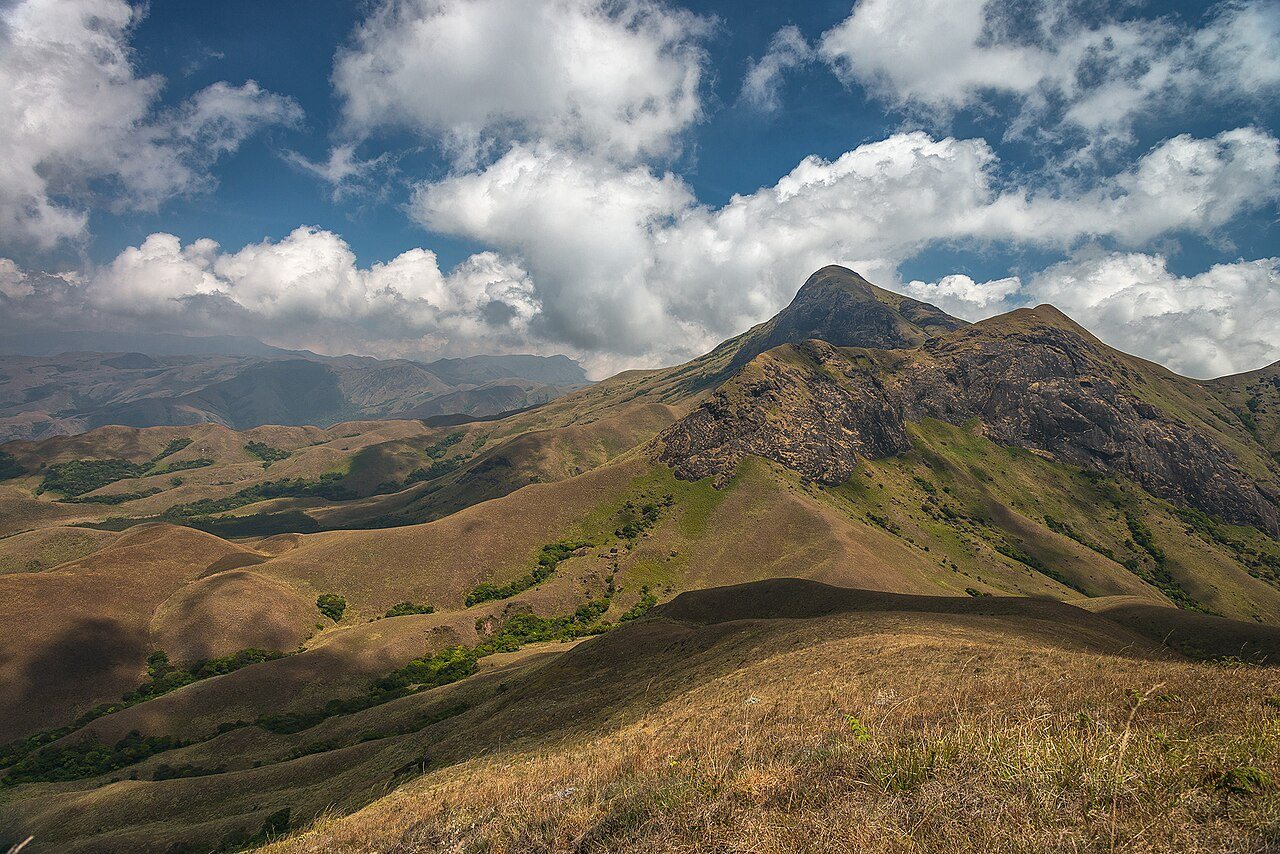
Older than the Himalayas, this mountain chain intercepts the Indian Ocean monsoon. Home to over 5,000 vascular plant species, lion-tailed macaques, and the endemic Nilgiri tahr.
An altitude gradient rising from lowland terai sal jungles to 8,000-meter glaciers. A refuge for the red panda, snow leopard, and over 600 species of wild Himalayan orchids.
Covering Assam, Meghalaya, and Arunachal Pradesh. Known for living root bio-architecture, the world’s wettest river basins, and the armor-plated one-horned rhinoceros.
Pristine marine archipelagos, dugong grazing seagrass beds, giant robber crabs, and tropical rainforests untouched by continental development.
Key themes include Northeast India travel, India tourism, helping international travelers plan an informed and memorable journey.
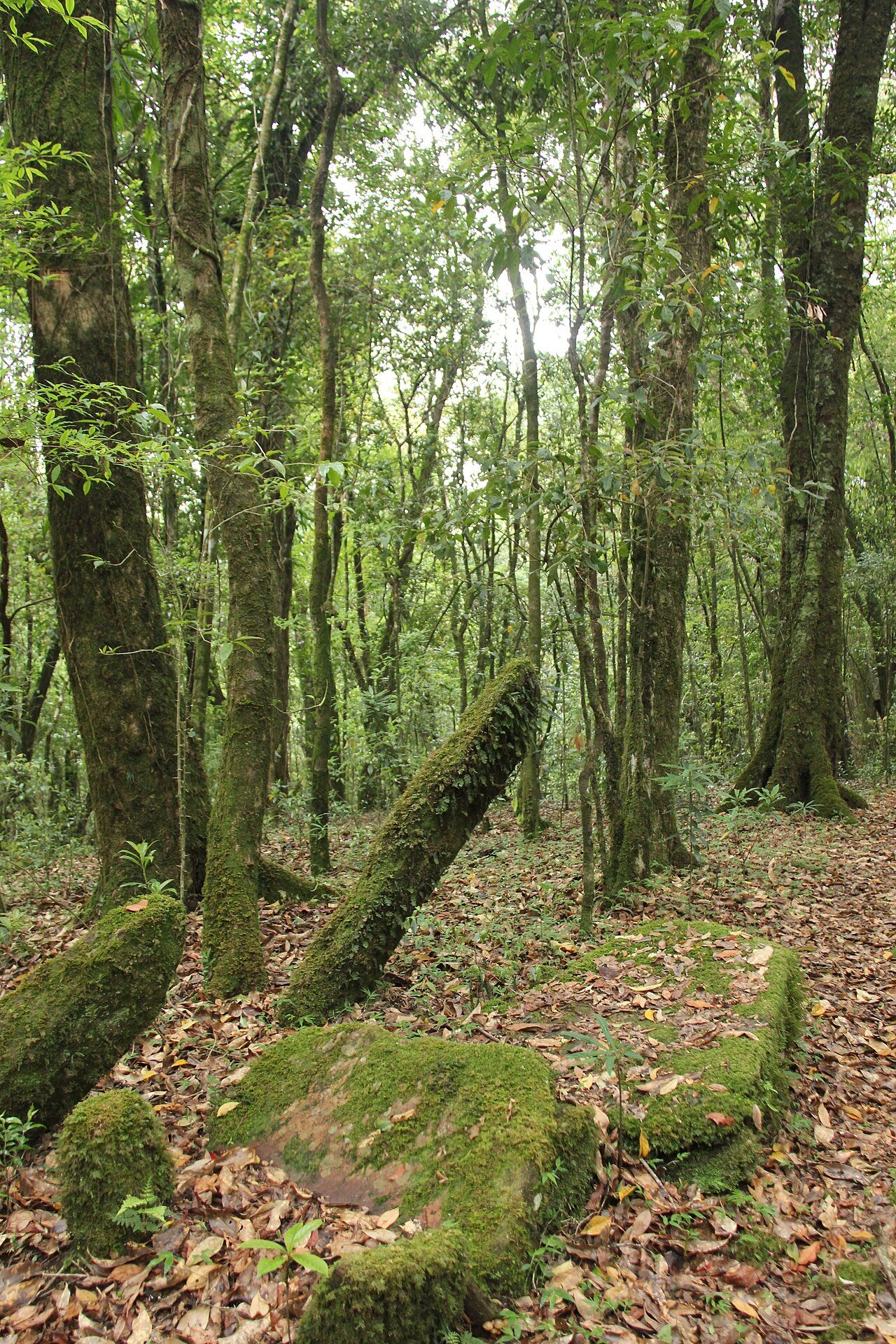
Known as Devarakadus in Karnataka, Kavus in Kerala, and Law Kyntang in Meghalaya, India possesses over 100,000 sacred groves. These are virgin forest tracts preserved by indigenous communities for centuries under strict customary law: no tree may be felled, no animal hunted, and no leaf plucked.
These sacred groves act as vital biological gene banks, preserving rare medicinal flora, micro-hydrological springs, and soil fungi that have vanished from surrounding agricultural landscapes.