There is no singular "Indian food". The subcontinent is an epic culinary continent of distinct micro-cuisines rooted in ancient botanical sciences, fermentation traditions, and ancestral cookware. For international travelers, this section adds practical context to India travel.
In classical Indian thought codified in the Charaka Samhita, food is preventative medicine (*Aushadhi*). A complete meal is never evaluated merely by calories or presentation, but by whether it incorporates all six taste profiles (*Shad Rasa*): For international travelers, this section adds practical context to India travel guide.
Madhura (sweet: rice, ghee, wheat); Amla (sour: tamarind, raw mango, kokum); Lavana (salty: rock salt, sea salt); Katu (pungent: black pepper, ginger, mustard); Tikta (bitter: fenugreek, bitter gourd, turmeric); and Kashaya (astringent: lentils, pomegranate, plantain). When all six rasas are present, the body feels deeply satiated without cravings, and digestion (*Agni*) burns with balanced equilibrium.
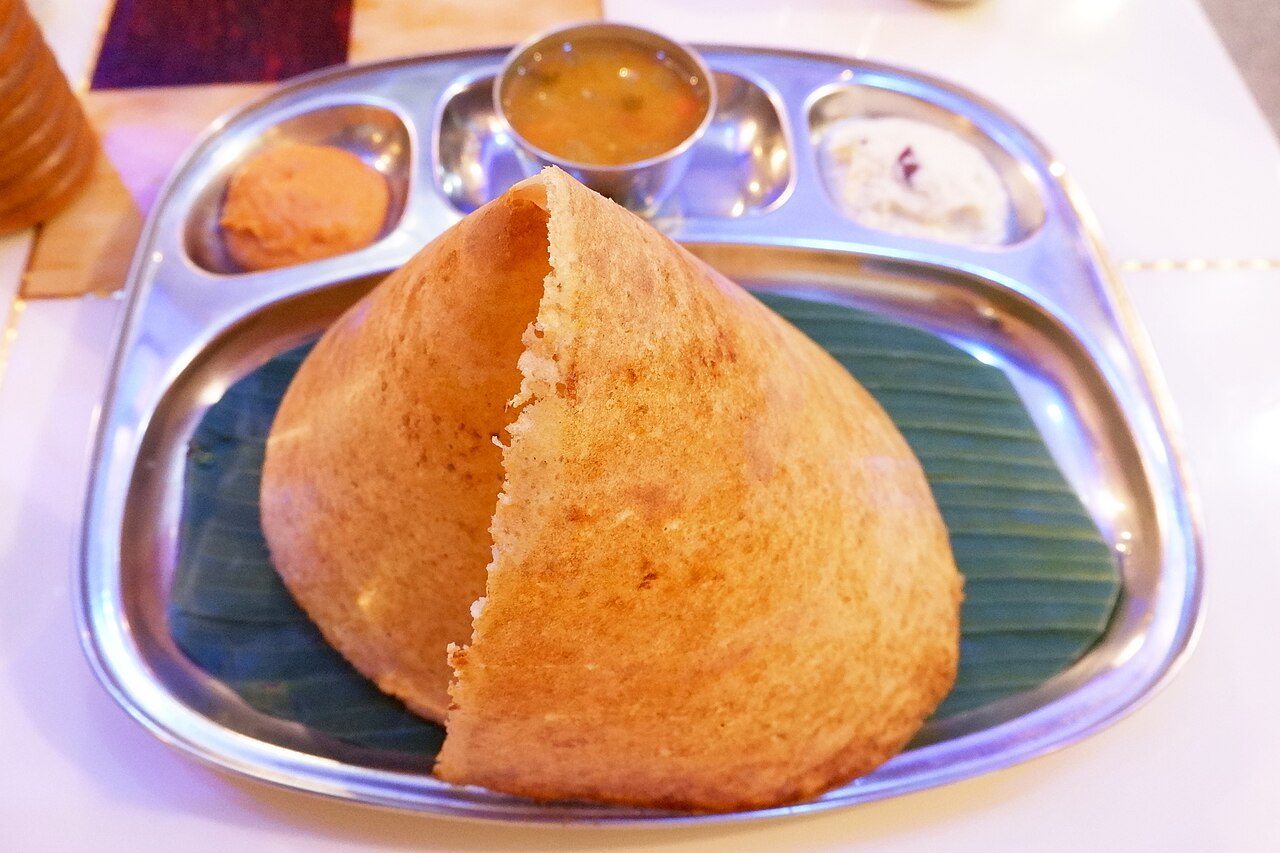
Eat foods freshly cooked in boiling oil or smoking tandoor ovens right before your eyes (hot samosas, freshly puffed dosas, sizzling kebabs). High heat kills bacteria instantly. For international travelers, this section adds useful context to best Indian food to try.
Stalls crowded with local families and neighborhood office workers have rapid ingredient turnover. Pots are refilled every thirty minutes, ensuring total freshness.
Finish your street meals with freshly churned buttermilk (*chaas*) spiced with roasted cumin, or sweet lassi. Rich in active lactobacilli cultures, it calms the digestive tract.