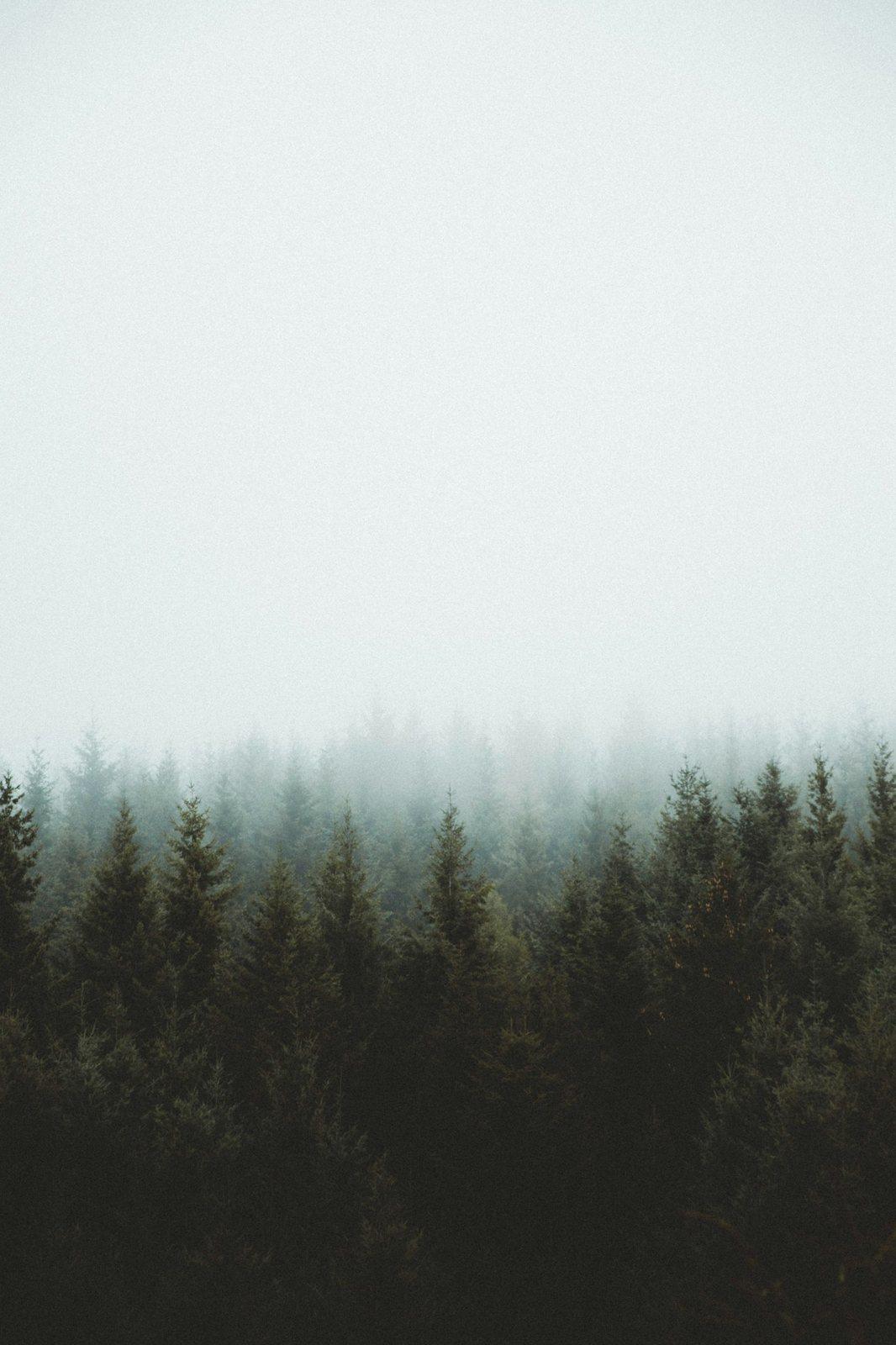
Cinematic panoramic view of the Thar Desert Silk Route tracks and ancient landscape in Western India
THE CONTINENTAL BLUEPRINT

India Travel Itinerary — Curated Routes and Tourist Attractions in India

From Himalayan frontiers and royal desert cities to tropical coasts, sacred rivers and ancient southern landscapes, India unfolds through journeys that reveal how geography becomes culture. This India travel itinerary resource is designed to help international travelers plan with greater clarity.

6 CURATED TRAVEL CORRIDORS BY INDIA UNFILTERED CURATORIAL COUNCIL FOR THE DISCERNING GLOBAL TRAVELER
CURATORIAL MANIFESTO

Beyond the Postcard: An Archipelago of Six Worlds — India Travel Guide

India cannot be truly understood through a single destination or a conventional tourism checklist; it is an archipelago of geographical worlds bound by five millennia of continuous civilisational conversation. For international travelers, this section adds practical context to India travel guide.

To travel from the windswept 5,000-meter glacial passes of Ladakh down to the emerald palm-fringed backwaters of Kerala is to encounter two entirely distinct realities sharing the same subcontinental landmass. In the north, soaring mountain ramparts intercept the moisture-rich monsoon clouds, feeding titanic river systems that have nurtured sacred rituals and urban centers since the Bronze Age. In the west, extreme desert aridity inspired subterranean water palaces and an explosion of vibrant folk textiles.

In the south and along the peninsular coasts, ancient ports welcomed Roman, Arab, and Chinese fleets millennia before European colonization, while the primeval volcanic Deccan plateau provided immutable basalt and granite for monolithic rock-cut cave temples. India Unfiltered traces six carefully curated travel corridors—not as rigid commercial tour packages, but as editorial journeys designed to reveal how regional geography shapes every aspect of daily life, architecture, and spiritual expression.

SPATIAL ORIENTATION

The Six Curated Corridors of Bharat — India Tourism

A geographical overview of India Unfiltered's six editorial journeys, connecting distinct geological ecosystems across the subcontinent. For international travelers, this section adds practical context to India tourism.

03 • THE HIMALAYAN FRONTIER Ladakh • Spiti • Himachal 01 • THE ROYAL WEST Rajasthan • Thar • Delhi 02 • THE SACRED NORTH Ganga • Varanasi • Rishikesh 06 • THE NORTHEASTERN FRONTIER Assam • Meghalaya • Sikkim 05 • THE DECCAN HERITAGE Hampi • Badami • Ellora 04 • THE TROPICAL SOUTH Kerala • Tamil Nadu • Goa
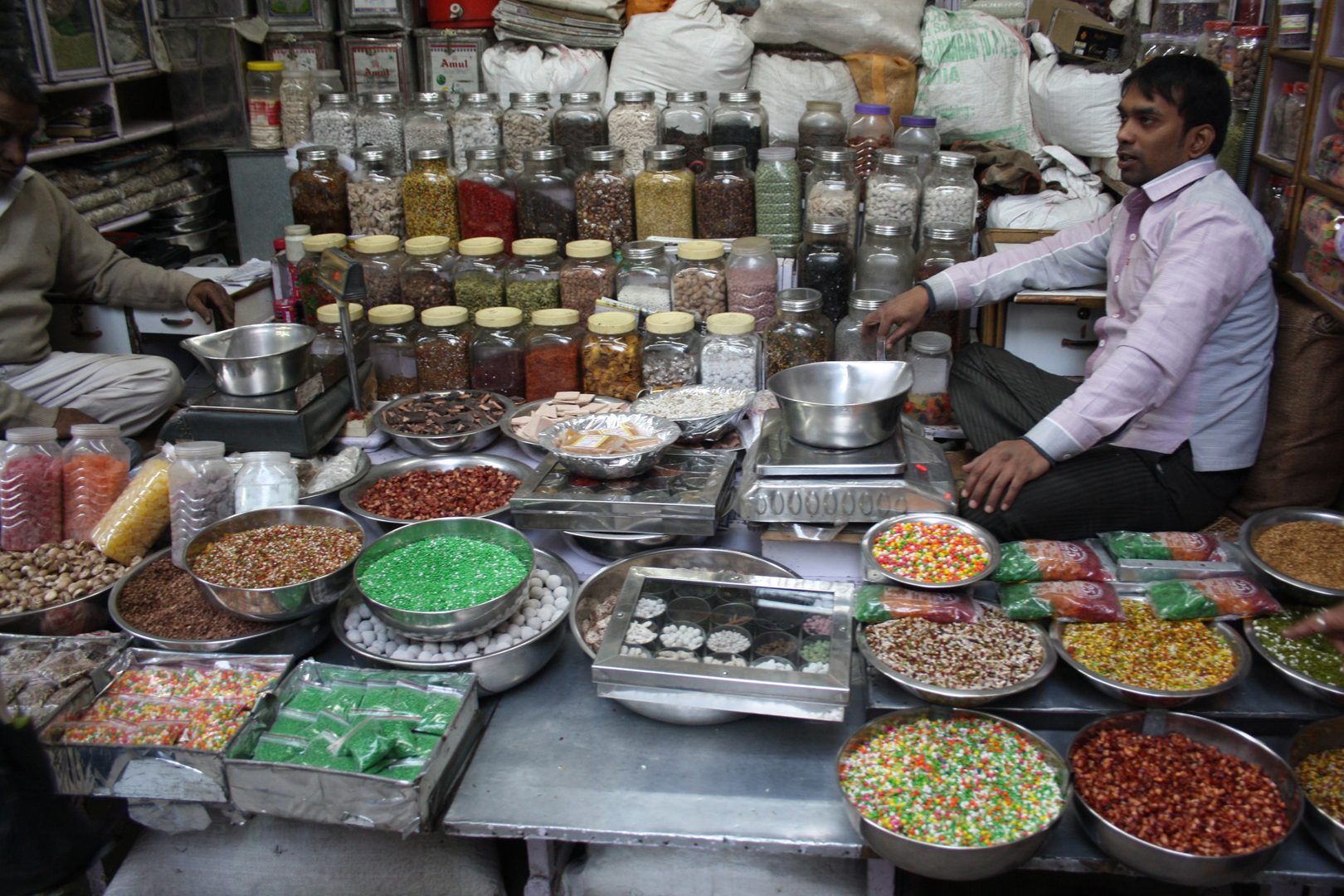
Vibrant traditional textiles and spice bazaars in the shadow of Rajasthan fortresses
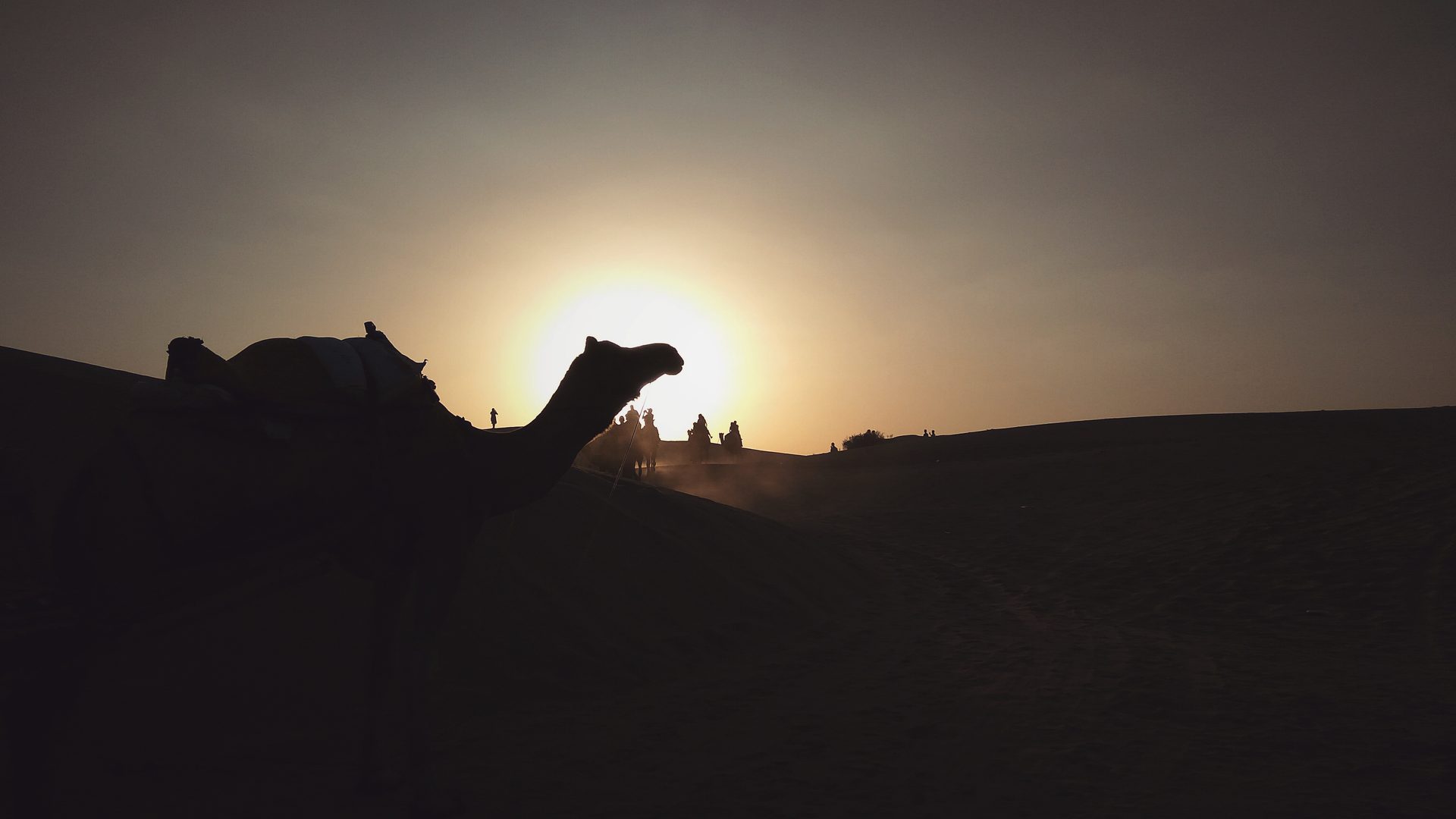
Camel caravan moving gracefully across undulating sand ridges of the Thar Desert under golden evening sky
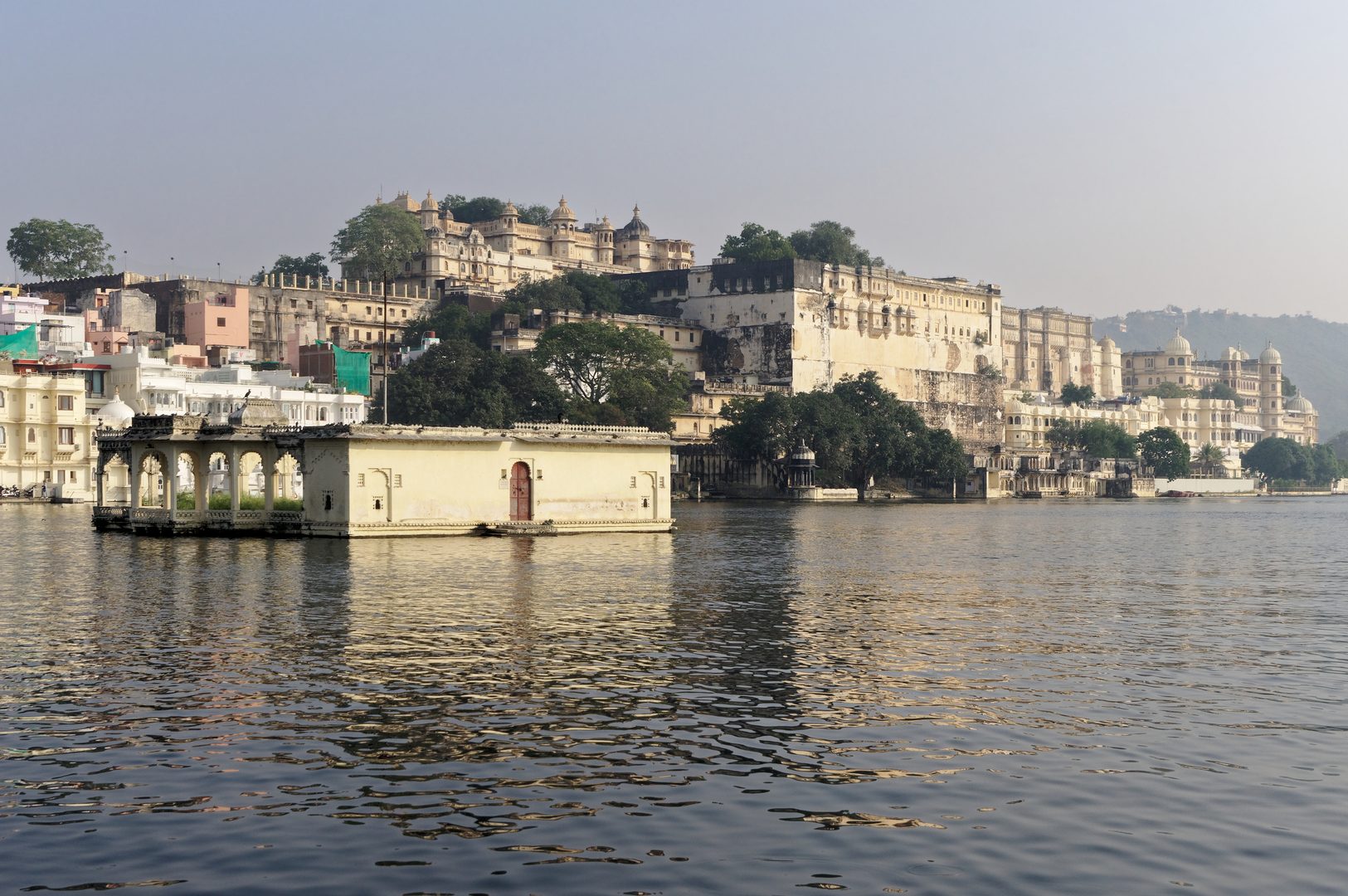
Twilight panoramic view of Lake Pichola and the illuminated Lake Palace in Udaipur
CIRCUIT 01 • NORTHWESTERN DESERT & RAJPUT REALMS

The Royal West: Forts, Painted Havelis & Desert Citadels — Travel To India

CORRIDOR: Delhi → Shekhawati → Bikaner → Jaisalmer → Jodhpur → Udaipur → Jaipur → Agra

Spanning the arid northwestern frontier of the subcontinent, this journey cuts through the historic Rajput warrior kingdoms and the golden dunes of the Great Indian Thar Desert. Here, geographical scarcity was answered with staggering architectural ambition: invincible sandstone fortresses like Mehrangarh in Jodhpur rise four hundred feet above a sea of blue-painted houses, while desert merchant families along historic Silk Road spurs transformed isolated caravan stops into open-air galleries of painted frescoes across the Shekhawati region. In the desert citadel of Jaisalmer, carved entirely from honey-colored stone that burns gold at sunset, travelers encounter a living medieval fort where families have resided within massive sandstone bastions for eight centuries. For international travelers, this section adds practical context to travel to India.

Further south, the landscape softens into the ancient wooded Aravalli hills and the tranquil waters of Udaipur’s Lake Pichola, where marble palaces appear to float serenely on the surface. Beyond royal architecture, this circuit immerses international visitors in the extraordinary aesthetic resilience of desert culture: vibrant saffron, turmeric, and crimson tie-dye fabrics (Bandhani), soulful folk ballads bowed on the indigenous sarangi, and fragrant culinary traditions built around drought-hardy pearl millet (bajra), sun-dried wild desert berries (ker sangri), and slow-cooked mutton rogan josh. Travel slowly by road or heritage rail between October and March, allowing time to witness desert sunrises and local artisan hand-block printing workshops.

REGION Northwestern Plains & Thar Desert (Rajasthan, Delhi)
BEST FOR Imperial architecture, desert stargazing, palace stays, artisan textiles
LANDSCAPE Sun-baked sand dunes, arid scrub hills, inland lakes, sandstone ridges
CULTURAL CHARACTER Rajput chivalric traditions, Mughal grandeur, folk music & block printing
CIRCUIT 02 • INDO-GANGETIC BASIN & SACRED RIVERS

The Sacred North: River Ghats, Living Rituals & Ancient Epics — Festivals In India

CORRIDOR: Delhi → Mathura → Agra → Prayagraj → Varanasi → Ayodhya → Haridwar → Rishikesh

This circuit follows the sacred hydrological heart of India: the immense fertile basin of the holy Ganga and Yamuna rivers, which has served as the cradle of Indian spiritual philosophy, classical literature, and devotion for millennia. Beginning in the historic capital of Delhi and the white marble Mughal symmetry of the Taj Mahal in Agra, the journey journeys eastward into ancient pilgrimage corridors where mythology and everyday life interweave seamlessly along sacred riverbanks. Along this alluvial plain, generations of thinkers composed the Upanishads and refined the core tenets of vegetarian gastronomy, classical Hindustani music, and temple ritual. This section also gives international visitors practical context for festivals in India.

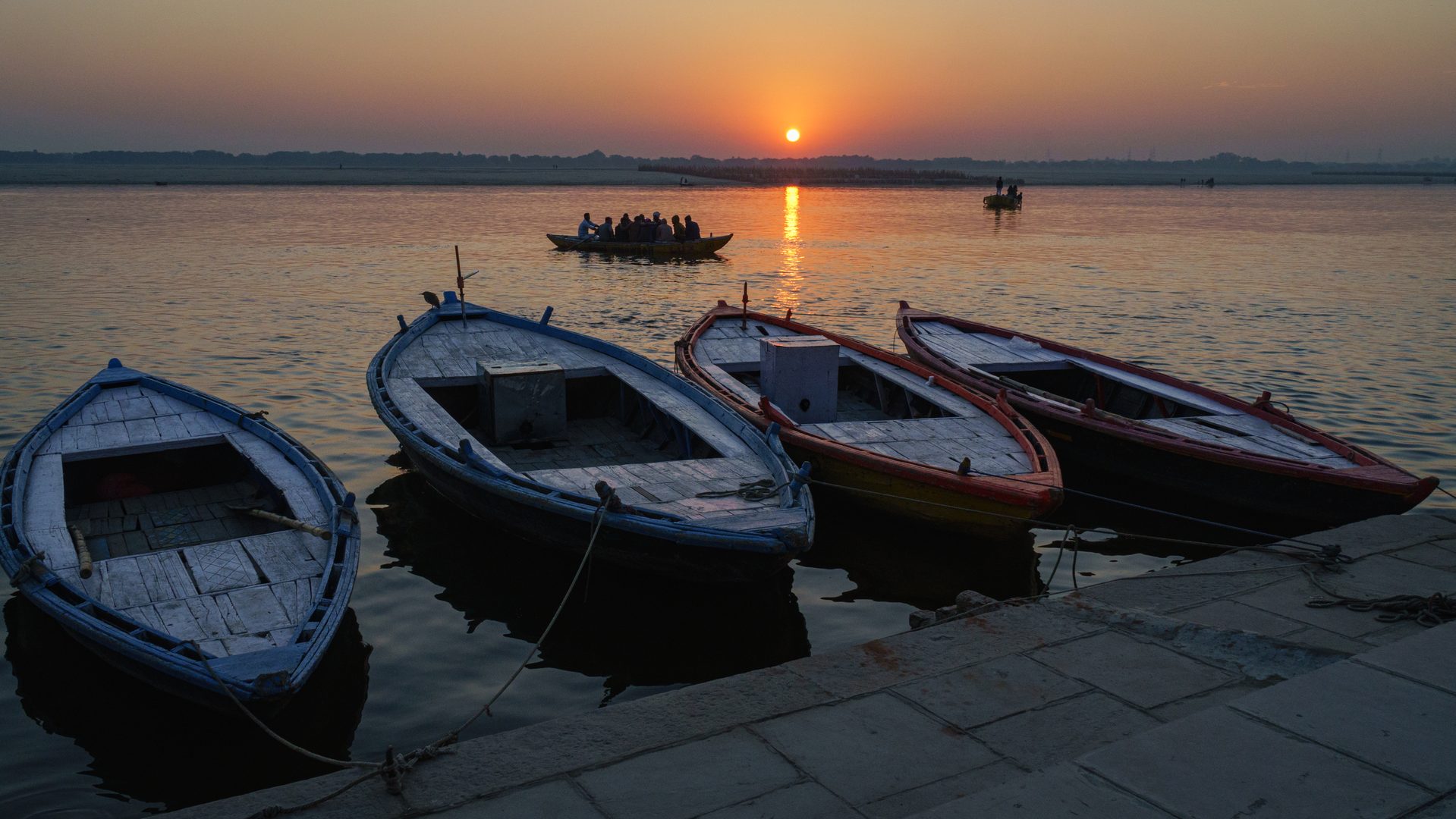
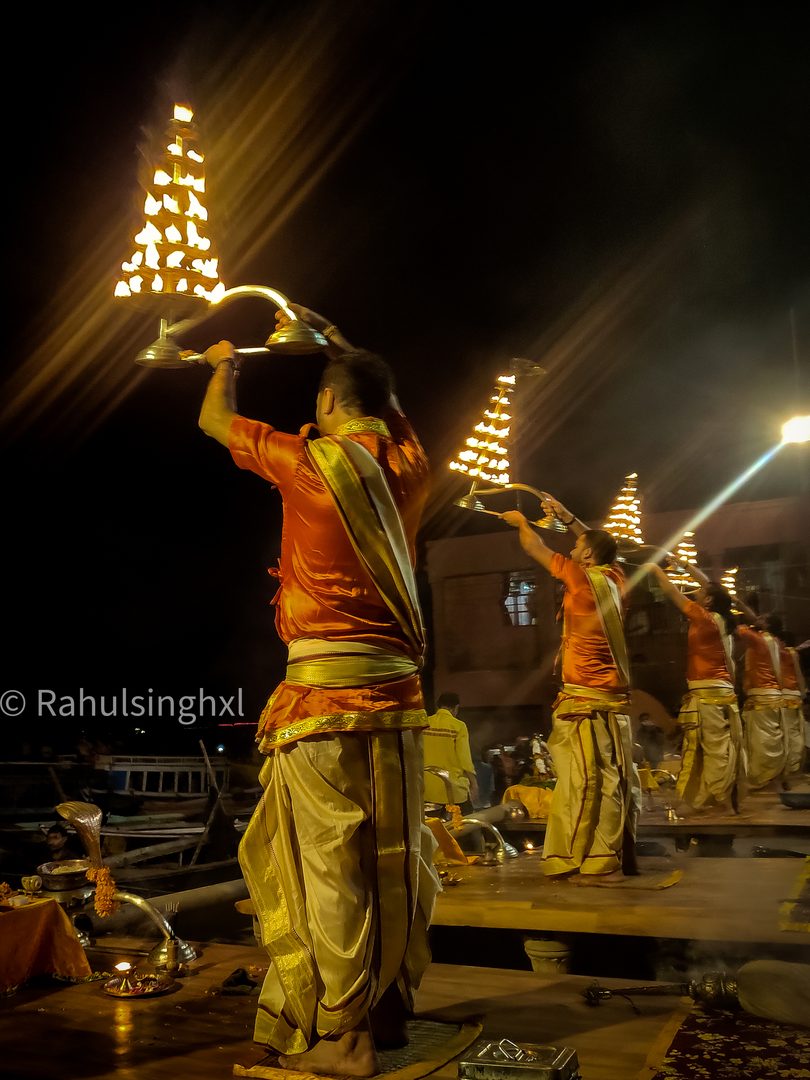
The spiritual zenith of this journey is Varanasi (Kashi), continuously inhabited for over three thousand years. At dawn, wooden rowing boats drift along miles of carved stone ghats, where thousands of pilgrims stand waist-deep in water performing solar ablutions, their Sanskrit mantras mingling with the scent of marigold petals and incense. At twilight, the riverfront transforms during the grand Ganga Aarti ceremony, as priests lift tiered brass fire lamps in synchronized rhythm to crashing cymbals and temple bells. Moving upstream toward the forested Himalayan foothills of Haridwar and Rishikesh, the river turns emerald and crystalline, welcoming travelers into tranquil riverfront ashrams dedicated to authentic yoga, breathwork, and philosophical study.

REGION Indo-Gangetic Plains & Himalayan Foothills (Uttar Pradesh, Uttarakhand)
BEST FOR Spiritual immersion, river dawn walks, living philosophy, classical music
LANDSCAPE Immense alluvial river basins, fertile floodplains, forested mountain riverbanks
CULTURAL CHARACTER Vedic chanting, syncretic Ganga-Jamuni tehzeeb, monastic contemplation
Sunrise over ancient stone bathing ghats along the sacred Ganges river in Varanasi
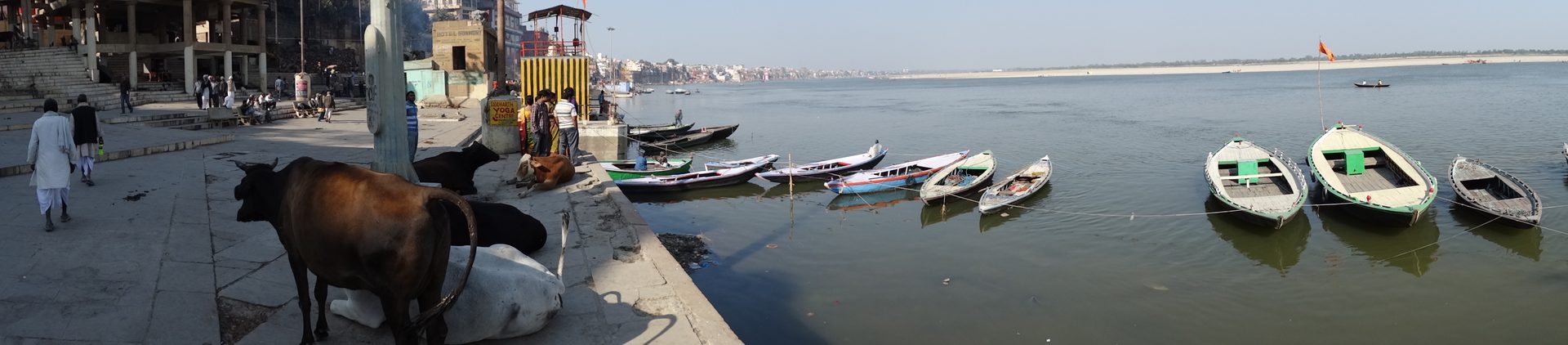
Panoramic view of ancient stone ghats lining the crescent curve of the sacred river Ganga in Varanasi
Priests lifting multi-tiered flaming brass lamps during evening Ganga Aarti ritual
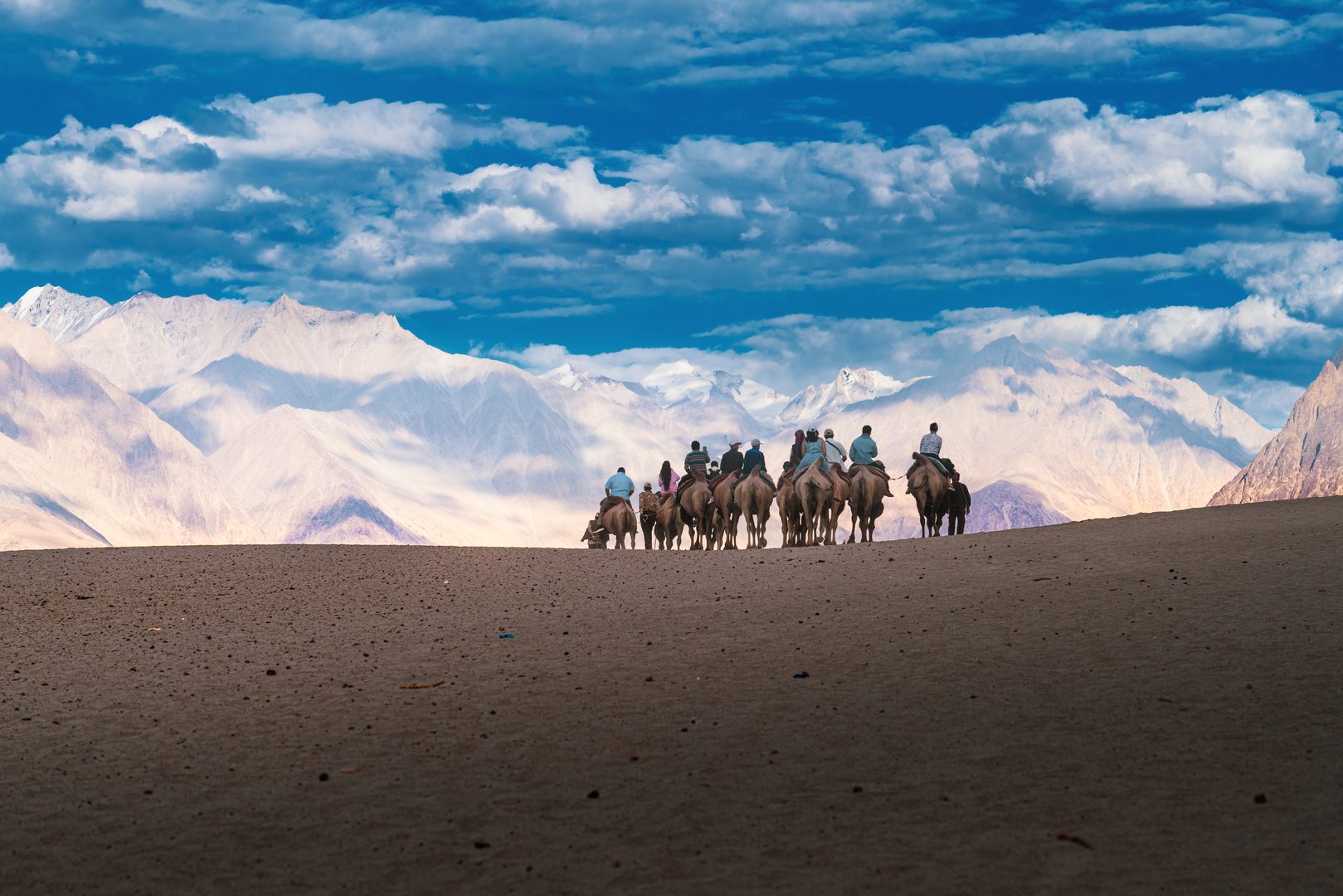
High-altitude cold desert dunes of Nubra Valley framed by snow-covered Karakoram peaks in Ladakh
Thiksey Monastery, housing centuries of Gelugpa Buddhist philosophy in Ladakh. MONASTIC HERITAGE
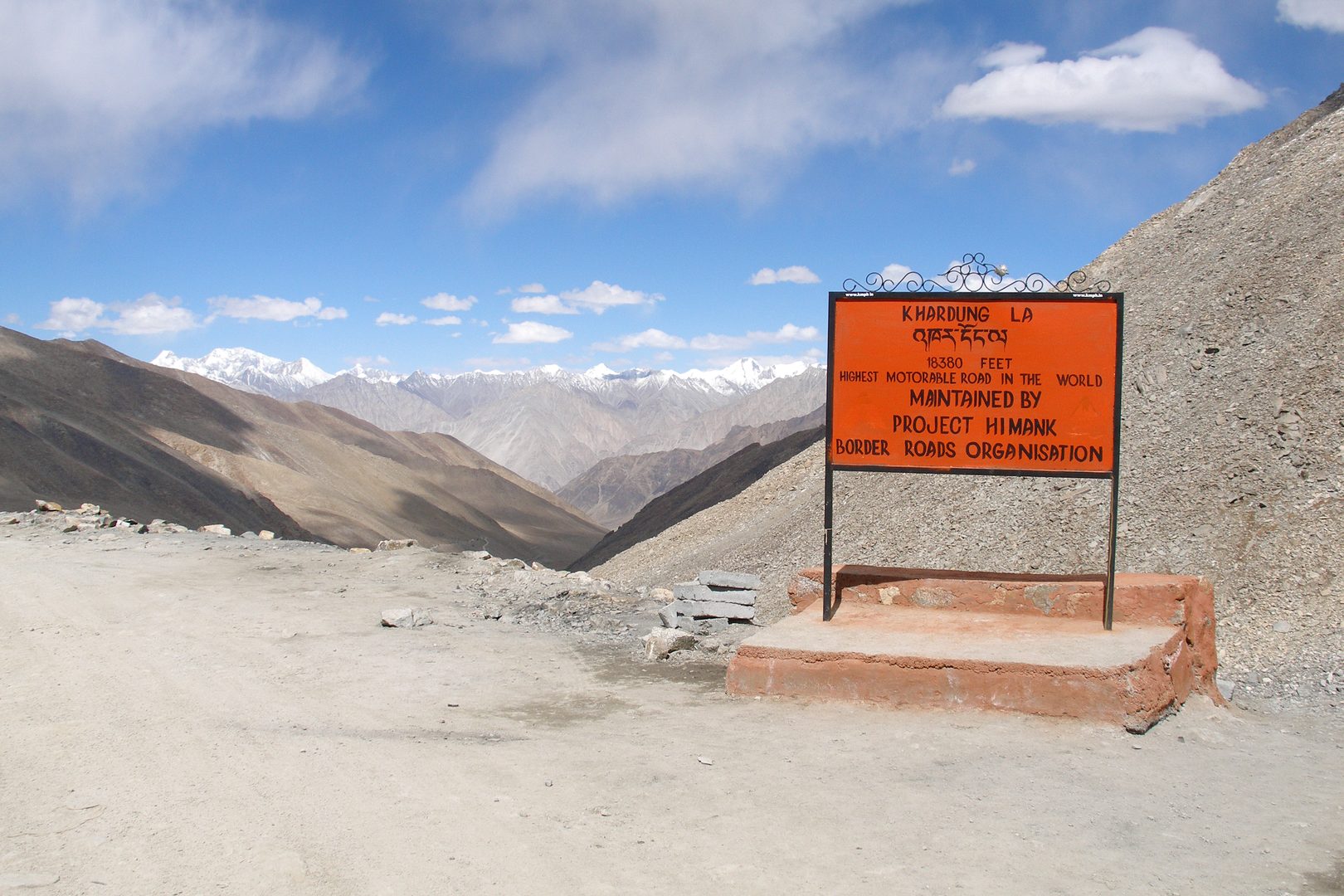
Winding high-altitude mountain pass through snow-crested Himalayan peaks in Ladakh
The deep turquoise expanse of Pangong Tso, resting 4,350 meters above sea level. ALPINE HYDROLOGY
CIRCUIT 04 • MALABAR, COROMANDEL & SPICE ESCARPMENTS

The Tropical South: Emerald Waterways, Spice Hills & Dravidian Gopurams — Best Indian Food To Try

CORRIDOR: Chennai → Mahabalipuram → Thanjavur → Madurai → Munnar → Alleppey → Kochi → Goa

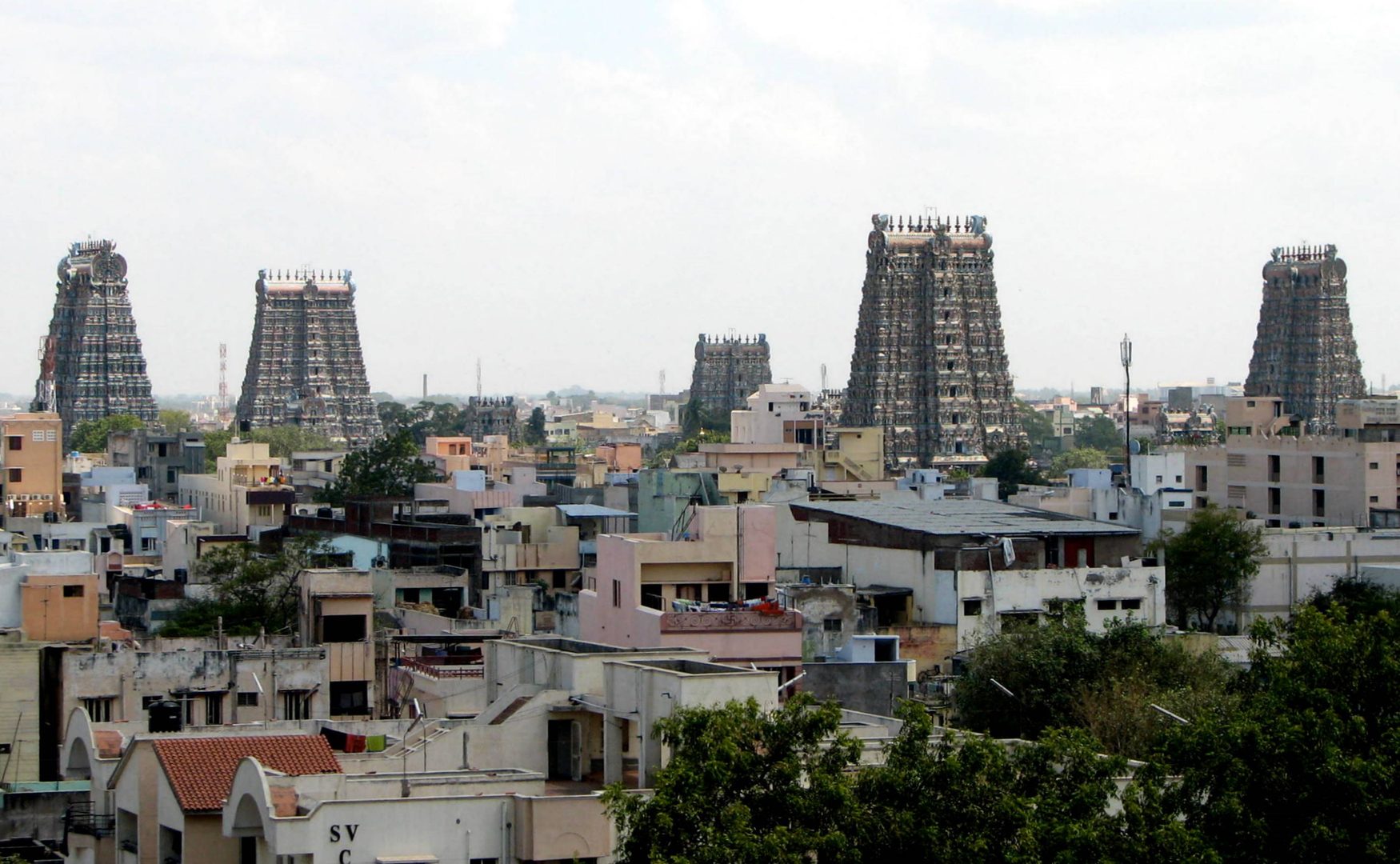
Tracing the sun-kissed southern peninsula from the Bay of Bengal across to the Arabian Sea, this journey celebrates tropical abundance, classical performing arts, and ancient maritime cosmopolitanism. In Tamil Nadu, the landscape is crowned by the monumental stone towers (gopurams) of ancient Dravidian temples—including the UNESCO-protected Brihadeeswara Temple in Thanjavur and the vibrant, sculpted towers of Madurai’s Meenakshi Temple—where bronze casting guilds, Carnatic vocal music, and temple elephant blessings have continued in unbroken succession for over a thousand years. For international travelers, this section adds useful context to best Indian food to try.

Ascending the mist-blanketed rainforest escarpment of the Western Ghats leads into Kerala's rolling tea estates and cardamom-scented slopes of Munnar and Periyar, the historic spice hills that lured ancient Roman, Phoenician, and Arab merchant ships. The journey descends gracefully into the labyrinthine Kerala backwaters, where traditional thatched wooden houseboats (kettuvallams) glide past palm-shaded paddy fields and fishing villages. Here, travelers experience the holistic cellular healing of 5,000-year clinical Ayurveda, attend dramatic Kathakali mask-dance performances, and taste coastal curries infused with fresh coconut milk, green curry leaves, and black mustard seeds before relaxing along the bohemian golden sands of Goa.

REGION Malabar, Coromandel Coast & Western Ghats (Kerala, Tamil Nadu, Goa)
BEST FOR Ayurvedic rejuvenation, slow backwater cruising, temple art, coastal cuisine
LANDSCAPE Palm-fringed lagoons, tropical cloud forests, cardamom hills, Arabian Sea beaches
CULTURAL CHARACTER Classical Bharatanatyam, Kathakali dance theatre, maritime cosmopolitanism
Traditional wooden kettuvallam river barge gliding gracefully through water lilies in Kerala
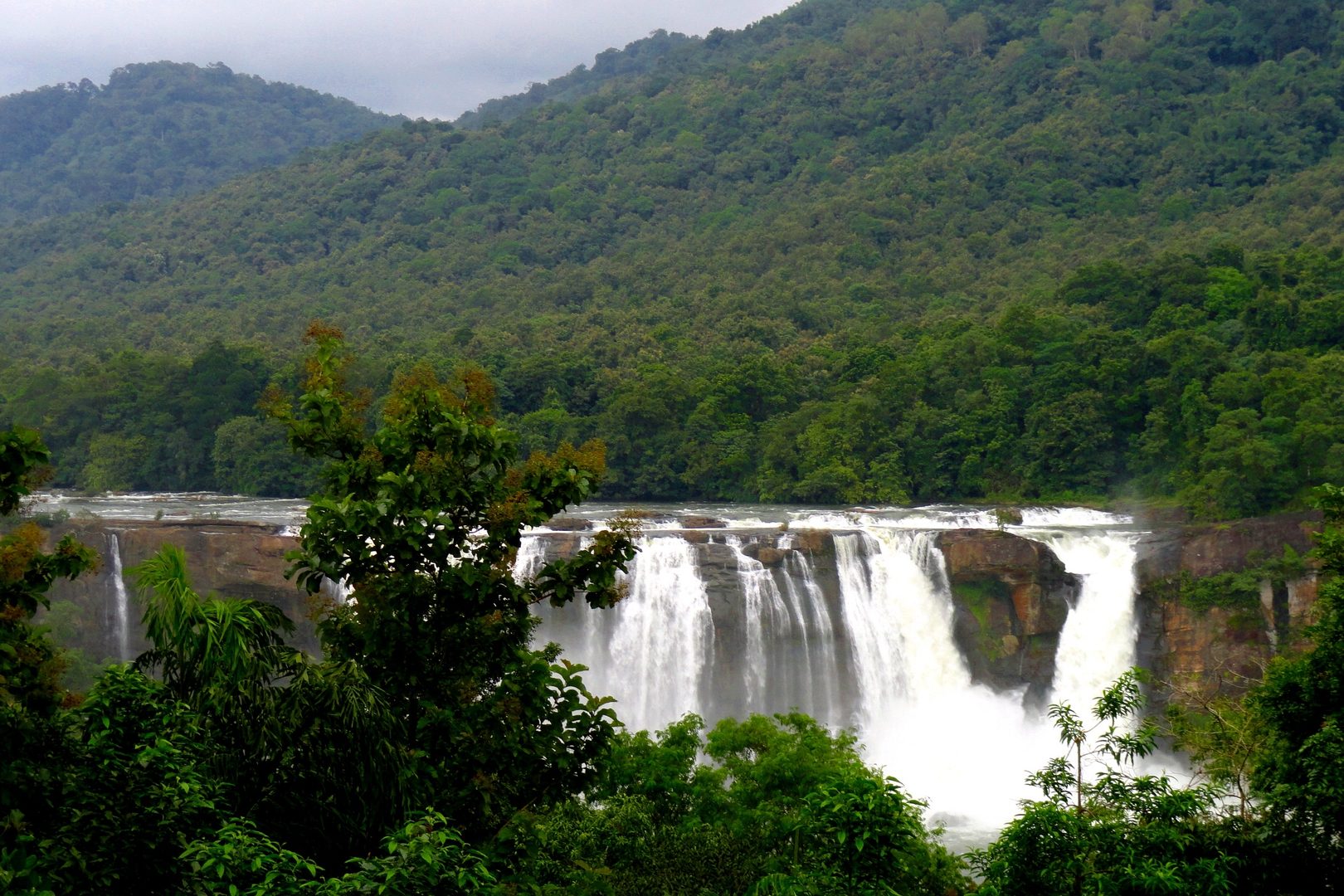
Misty evergreen forest canopy and cascading waterfall in the biodiverse Western Ghats of South India
Magnificent towering granite gopuram of Meenakshi Amman Temple in Madurai
CIRCUIT 05 • CENTRAL VOLCANIC SHIELD & MONUMENTAL ROCK

The Deccan Heritage Route: Granite Boulders, Rock-Cut Caves & Lost Empires — Unesco World Heritage Sites India

CORRIDOR: Hyderabad → Bijapur → Badami, Aihole & Pattadakal → Hampi (Vijayanagara) → Ellora & Ajanta

South of the Vindhya mountains lies the ancient triangular heartland of India: the Deccan Plateau, a prehistoric volcanic shield of black basalt and weathered pink granite that hosted some of Asia's most ambitious medieval empires. At Hampi, the surreal UNESCO-listed capital of the 14th-century Vijayanagara Empire, millions of gargantuan granite boulders lie scattered across the landscape like a giant's forgotten playthings, framing palace ruins, royal elephant stables, and the iconic stone chariot of Vittala Temple with its acoustic musical granite pillars that ring with melodic notes. International travelers can use this section when exploring UNESCO World Heritage sites India.

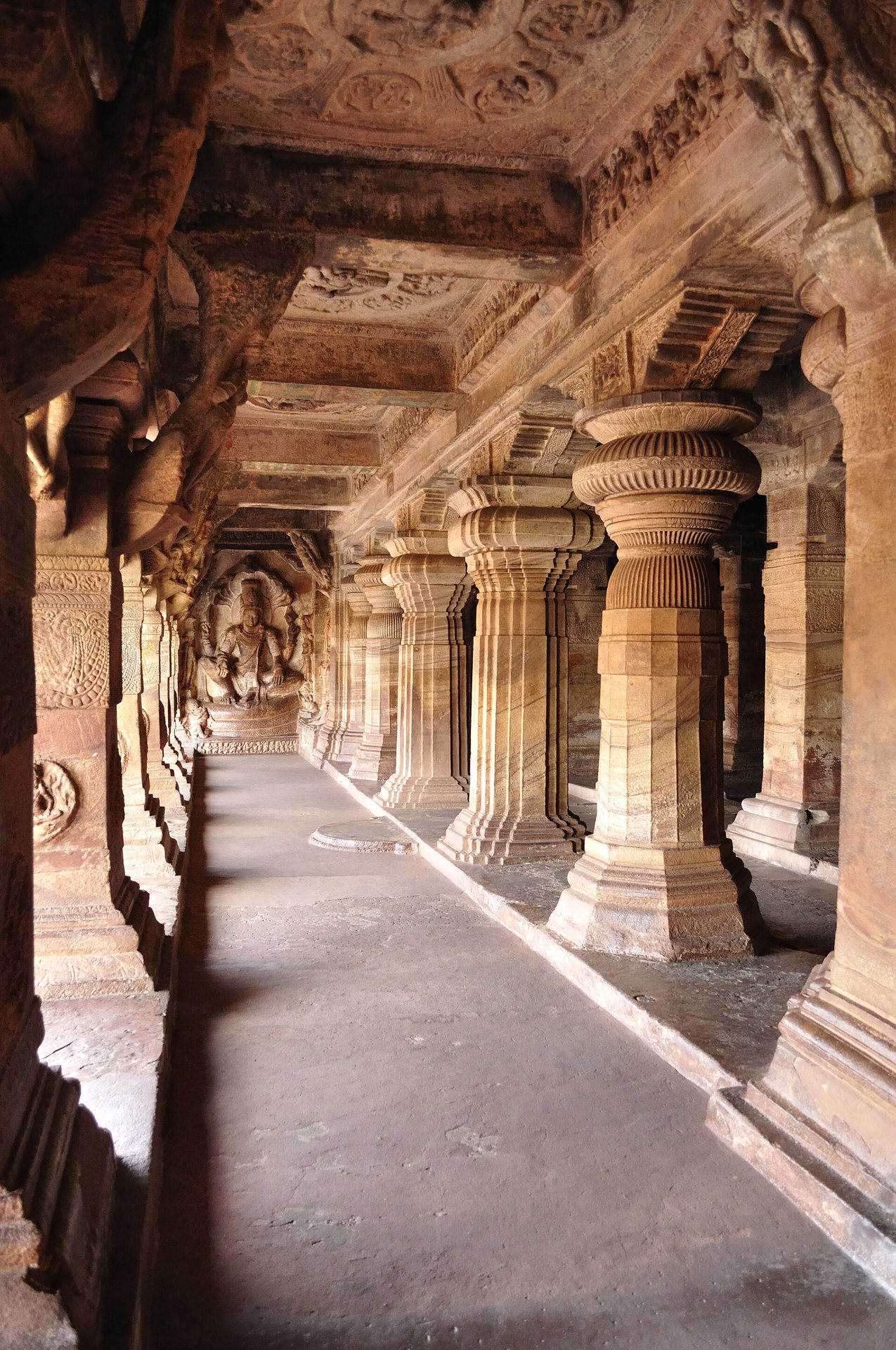
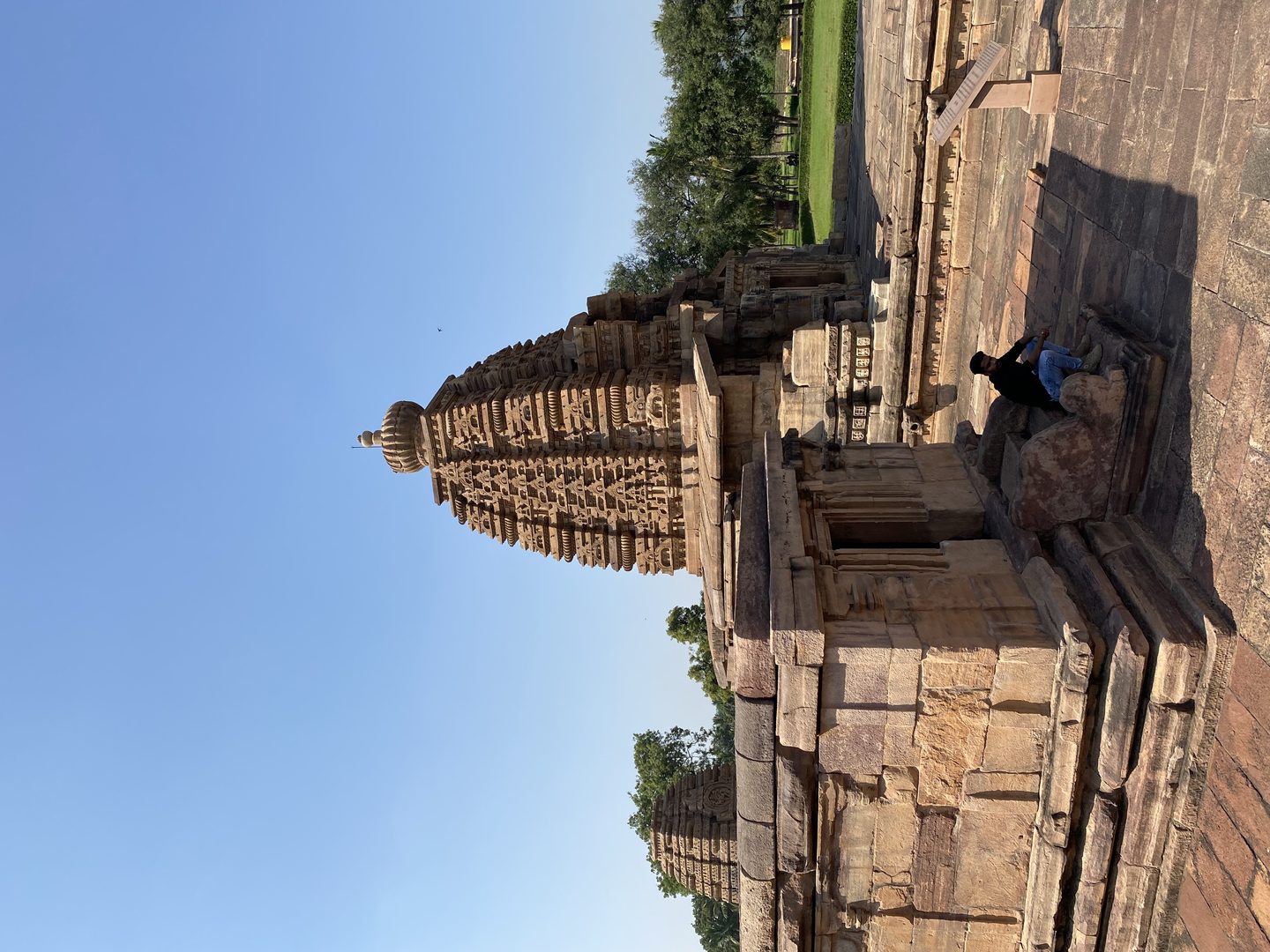
Traveling through northern Karnataka reveals Badami, Aihole, and Pattadakal, where 6th-century Chalukyan architects pioneered early temple structural forms by chiselling shrines directly into red sandstone cliffs. The circuit culminates at the awe-inspiring rock-cut cave sanctuaries of Ellora and Ajanta in Maharashtra. At Ellora, 8th-century master stonecutters began at the summit of a sheer basalt cliff and carved two hundred thousand tons of solid rock downward to create the monolithic Kailasa Temple—an architectural miracle completed without joins or mortar. Rich in Indo-Islamic heritage, the route also introduces travelers to the grand domed tombs of Bijapur and the royal Nizami hospitality of Hyderabad.

REGION Central Deccan Volcanic Shield & Tungabhadra (Karnataka, Maharashtra)
BEST FOR Monolithic rock architecture, archaeological ruins, off-the-beaten-path heritage
LANDSCAPE Weathered granite boulder hills, basalt plateaus, dry deciduous forests
CULTURAL CHARACTER Vijayanagara imperial legacy, Chalukya temple roots, Deccan Indo-Islamic fusion
Ancient sculpted sandstone temple complex of the Early Chalukyas in the Deccan
Ancient rock-cut cave temple entrance sculpted out of sheer sandstone cliffs in Badami
7th-century sandstone temples of the Chalukya dynasty glowing warmly at sunset in Pattadakal
Golden sunset over the sacred Brahmaputra river island waters in Assam
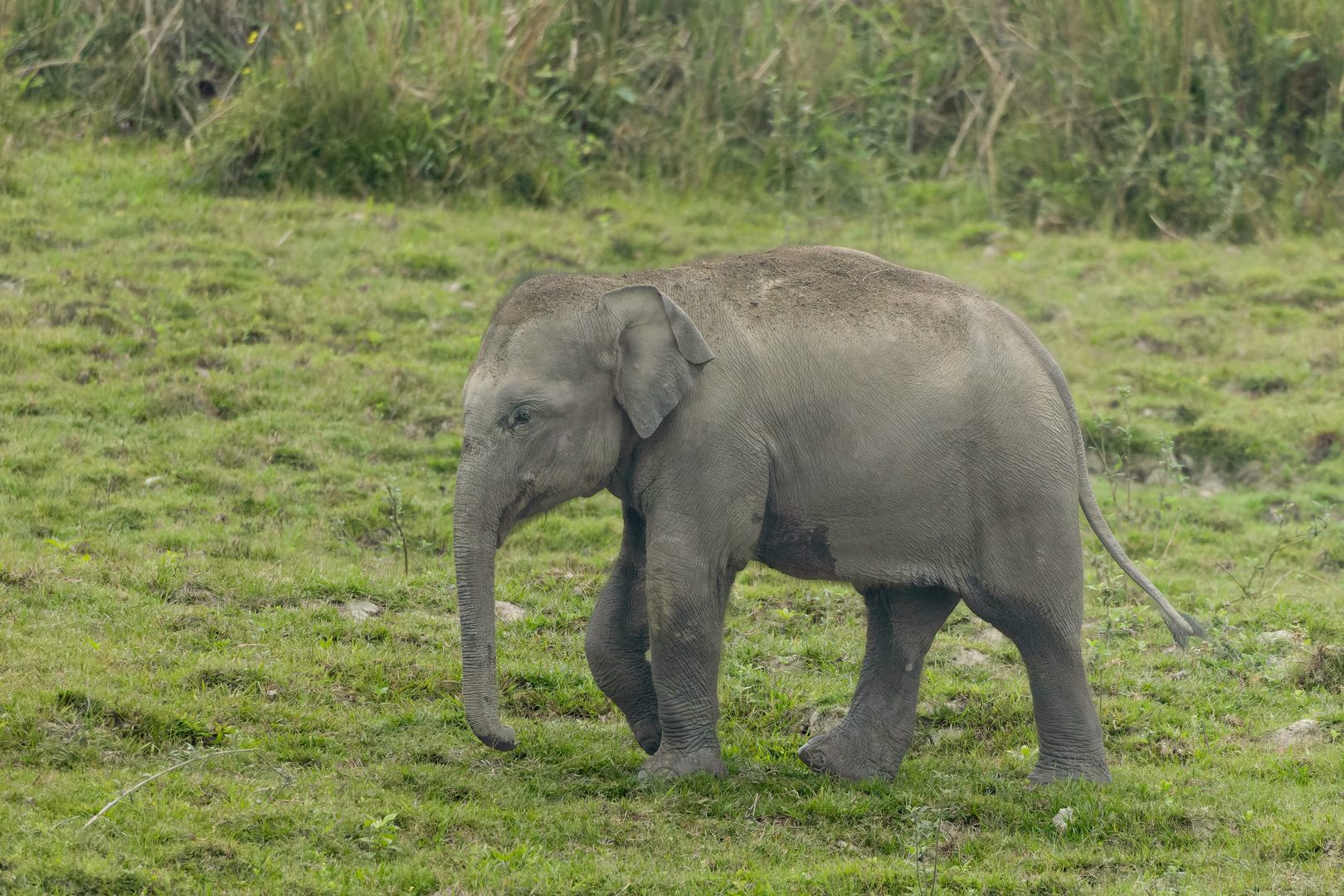
Wild Asian elephants navigating the misty grassland wetlands of Kaziranga Assam
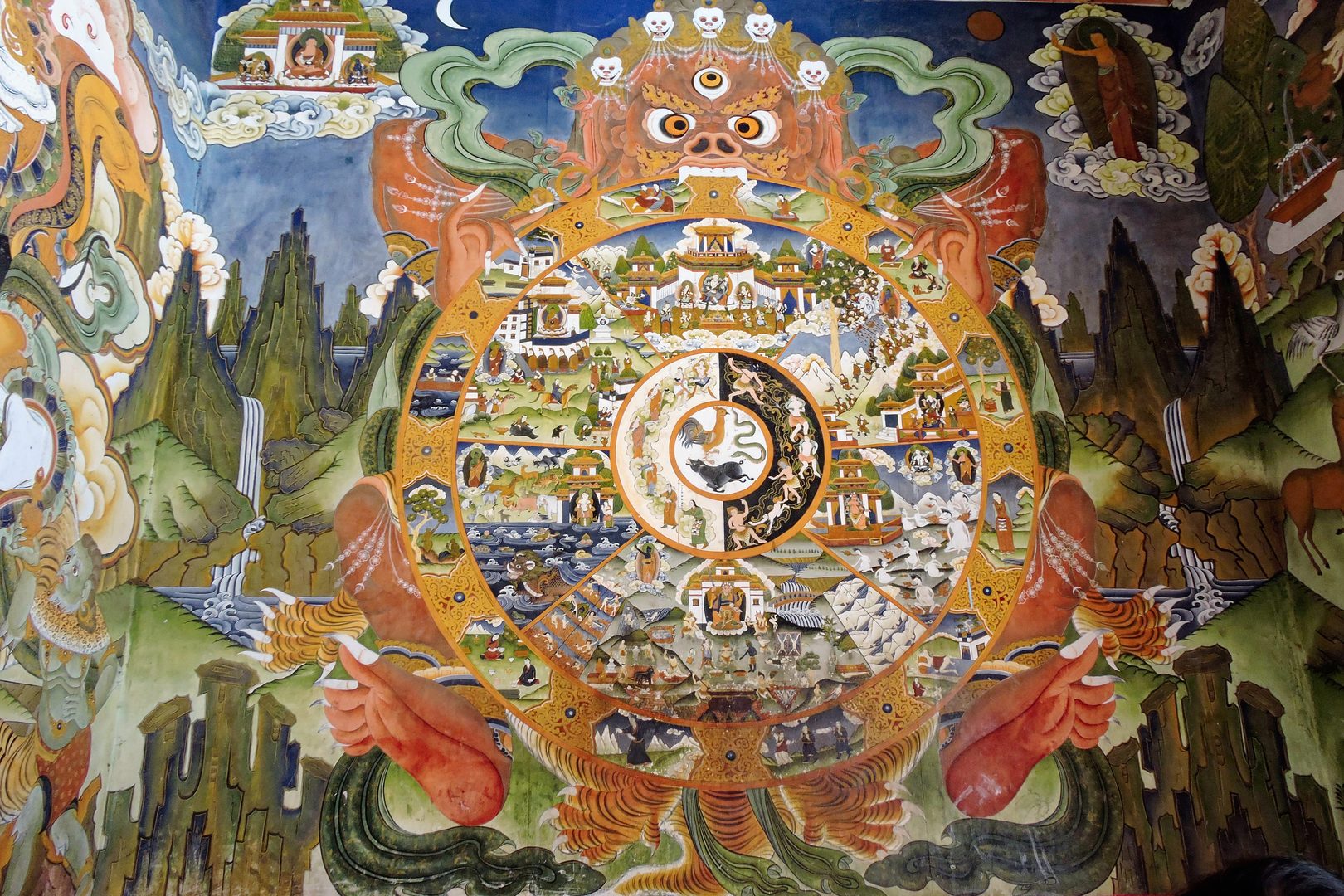
The massive fortress-like Tawang Monastery perched high in the clouds of Arunachal Pradesh
CIRCUIT 06 • SUB-HIMALAYAN RAINFORESTS & LIVING BRIDGES

The Northeastern Frontier: Living Root Bridges, Cloud Forests & River Kingdoms — Spiritual Places In India

CORRIDOR: Guwahati → Kaziranga → Majuli Island → Shillong → Cherrapunji → Tawang → Sikkim

Cradled between the Eastern Himalayas, Bhutan, and Myanmar, India's Northeast—encompassing the famed 'Seven Sisters' and Sikkim—is a pristine botanical wonderland of torrential cloud plateaus, sacred bamboo groves, and ancient indigenous tribal heritage. In the subtropical jungle canyons of Meghalaya, the wettest place on Earth, indigenous Khasi and Jaintia communities developed a revolutionary form of living architecture: guiding the aerial roots of live Ficus elastica trees across roaring monsoon torrents to grow living root bridges (Jingkieng Jri) that strengthen with age rather than rotting in tropical humidity. This section helps visitors understand spiritual places in India as part of a thoughtful India journey.

Further east along the mighty braided channel of the Brahmaputra River, Kaziranga National Park protects two-thirds of the world's remaining Great One-Horned Rhinoceros population amidst vast elephant-grass meadows and dense wetlands. Nearby lies Majuli, the world’s largest inhabited river island, famous for its 15th-century Neo-Vaishnavite monasteries and handcrafted terracotta mask-making traditions. Climbing into the cloud-veiled heights of Sikkim and western Arunachal Pradesh, travelers encounter high-altitude monastic citadels like Tawang Monastery, framed by snowbound Himalayan passes and prayer flags, offering visitors an unforgettable encounter with an untouched cultural frontier.

REGION Eastern Sub-Himalayas & Brahmaputra Valley (Meghalaya, Assam, Sikkim)
BEST FOR Botanical bio-engineering, wildlife safaris, indigenous culture, rainforests
LANDSCAPE Torrential cloud plateaus, deep river gorges, tropical canopies, alpine peaks
CULTURAL CHARACTER Matrilineal indigenous stewardship, Neo-Vaishnavite river culture, Buddhism
THE LIVING DIALOGUE

Six Journeys. One Unfinished Story. — India Travel Itinerary

India does not reveal herself through a single itinerary or a hurried tourist checklist. Each journey opens another layer of a living civilisational continuum—a landscape, a language, an architectural vernacular, a culinary philosophy, a sacred ritual, a quiet memory. Whether you find morning stillness on a stone river ghat in Varanasi, listen to desert winds whistling through the carved sandstone ramparts of Jaisalmer, or gaze across the surreal boulder fields of Hampi, these six curated travel corridors provide an authentic, respectful gateway into the soul of the subcontinent. As you plan your exploration through India Unfiltered’s dedicated regional guides, travel with patience, openness, and cultural reverence. What you take home will not merely be photographs, but a lasting shift in how you understand the world. This India travel itinerary resource is designed to help international travelers plan with greater clarity.

PLAN YOUR TIMING

Seasonality Matrix: The Six Classical Ritus — India Travel Tips

Time your travel perfectly with our month-by-month climate calendar, monsoon rhythms, and festival almanac. This India travel tips resource is designed to help international travelers plan with greater clarity.

View Seasons Matrix →