India operates the most advanced real-time digital payment ecosystem on planet Earth. From ten-cent roadside clay cups of masala chai to heritage royal palace hotels, a printed QR sticker settles transactions in two seconds flat. Here is how international visitors unlock UPI One World, bypass ATM card extortion, and travel completely cashless. This India travel itinerary resource is designed to help international travelers plan with greater clarity.
For travelers using this India travel guide, UPI is one of the practical things to know before traveling to India, with useful India travel tips for foreigners who travel to India.
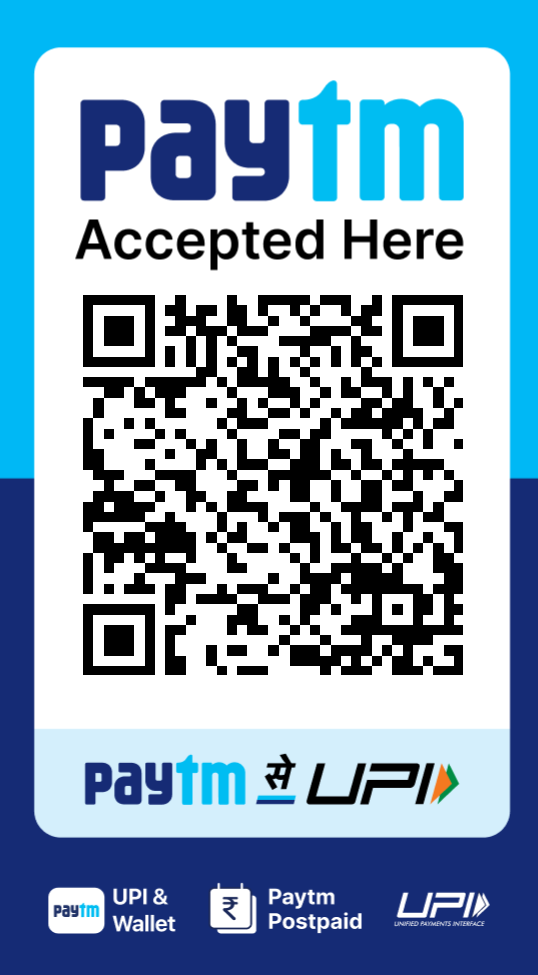
When foreign travelers land in Delhi or Mumbai, the first shock is not the heat or the density—it is the sound of blue electronic speakers chiming from wooden vegetable pushcarts: "Paytm par bees rupaye praapt hue" (₹20 received on Paytm). The Unified Payments Interface (UPI) has leapfrogged chip-and-PIN and credit cards entirely. For international travelers, this section adds practical context to India travel guide.
One QR code serves all apps. Whether a vendor displays a Google Pay, PhonePe, BharatPe, or Paytm placard, any compliant Indian banking app or tourist wallet scans it identically. For international travelers, this section adds practical context to India tourism.
In North America and Europe, card networks (Visa, Mastercard) charge merchants 1.5% to 3.5% interchange fees per swipe, creating friction that keeps small vendors cash-only. India built UPI as a zero-interchange national public utility operated by the National Payments Corporation of India (NPCI) under the Reserve Bank of India (RBI). For international travelers, this section adds practical context to travel to India.
Because small merchants pay zero transaction charges, even a fruit vendor selling a single lemon for ₹5 ($0.06) prefers a QR payment over counting dirty paper notes. For travelers, this means you never need to hoard coins or fret about vendors lacking change.
Historically, foreign tourists in India suffered from the perpetual banknote problem: ATMs dispense crisp ₹500 bills, but street vendors refuse to accept them for small ₹30 purchases because they cannot break them. UPI eliminates this friction instantly.
Historically, UPI required an Indian bank account linked to an Indian mobile number (+91). In 2023, the Reserve Bank of India authorized UPI One World—a prepaid payment instrument (PPI) wallet that allows foreign passport holders to transact like locals. This things to know before traveling to India resource is designed to help international travelers plan with greater clarity.
Authorized counters operate at major international arrival terminals: Delhi (DEL Terminal 3), Mumbai (BOM Terminal 2), Bengaluru (BLR Terminal 2), and select authorized foreign exchange houses (EbixCash, Thomas Cook, and Cheq counters in tourist hubs). For international travelers, this section adds practical context to India travel.
You load the wallet using your foreign international credit or debit card (Visa / Mastercard / Amex) or by handing over hard foreign currency banknotes at the official counter. The funds convert to INR at current commercial rates into your prepaid digital balance. For international travelers, this section adds practical context to India travel guide.
At the end of your journey in India, any unspent Indian Rupee balance remaining in your UPI One World wallet is transferred directly back to your original foreign payment card or encashed at the airport counter before international departure. For international travelers, this section adds practical context to India tourism.
Setting up your mobile wallet upon arrival is straightforward when you have the correct documentation ready. Follow this sequence: For international travelers, this section adds practical context to travel to India.
After clearing immigration and customs at Delhi T3, Mumbai T2, or Bengaluru T2, locate the authorized UPI One World counter (or authorized partner such as EbixCash or Thomas Cook). Present your original foreign passport, your approved Indian e-Visa printout, and an active mobile number (either an Indian travel eSIM or your roaming international number). International visitors can use this section while planning their India e visa for tourists requirements.
Download the designated wallet app (such as Cheq UPI, or the issuer’s branded travel wallet). Complete the one-time OTP SMS verification. The airport agent scans your passport bio page and photographs you for regulatory know-your-customer (KYC) fulfillment in under three minutes. For international travelers, this section adds practical context to India travel.
Top up your wallet with an initial ₹5,000 to ₹15,000 using your home credit/debit card. The transaction processes in Indian Rupees. You will set a secure 4-digit or 6-digit personal UPI PIN that you must memorize—this PIN authorizes every payment. For international travelers, this section adds practical context to India travel guide.
At any shop, roadside stall, taxi, or restaurant, tap "Scan QR" inside your app. Point your smartphone camera at the vendor’s desk sticker. The vendor's verified registered merchant name appears automatically. Type the exact amount in rupees, enter your secret PIN, and tap Submit. For international travelers, this section adds practical context to India tourism.
Key themes include India travel guide, travel to India, helping international travelers plan an informed and memorable journey.
Before your return flight home, open the app and select "Encash / Refund to Card" or visit the airport partner counter. Under RBI guidelines, unutilized rupee balances cannot be held indefinitely by non-resident foreign nationals and will be cleanly refunded. For international travelers, this section adds practical context to travel to India.
Foreign travelers often ask: "Should I carry cash, swipe my credit card, or use UPI?" The answer varies dramatically by vendor tier. Use this real-world reference: For international travelers, this section adds practical context to visit India.
| Travel Scenario | UPI One World | International Card | Cash Banknotes |
|---|---|---|---|
| Roadside Chai / Street Food | ✦ Ideal (100% accepted, exact change) | ✕ Unusable (no POS terminals) | ▲ Accepted only if ₹10/₹20 notes |
| Auto-Rickshaws & Tuk-Tuks | ✦ Ideal (driver points to QR on windshield) | ✕ Never accepted | ▲ Requires exact small change |
| ASI Monument Tickets (Taj, Forts) | ✦ Best (skip lines via official QR discount) | ✦ Accepted online | ✕ Many monuments are now 100% cashless |
| Artisan Handloom Guilds & Bazaars | ✦ Ideal (direct artisan settlement) | ▲ Often charges 2% surcharge | ✦ Excellent for cash bargaining |
| City Metro Tokens & Smart Cards | ✦ Direct scan at vending kiosks | ▲ Works at select counters | ✦ Accepted at token counters |
| Sit-down Cafes & Mid-tier Dining | ✦ Instant pay-at-table | ✦ Supported (Visa/Mastercard) | ✦ Accepted |
| Luxury 4/5-Star Heritage Hotels | ✦ Accepted | ✦ Best for high sums & points | ▲ Cumbersome for large room bills |
| National Park Safari Permits | ✦ Supported online | ✦ Supported via booking portals | ✕ Pre-booking required online |
| Train Station Coolies (Porters) | ✦ Many young coolies have QR badges | ✕ Never accepted | ✦ Universal (keep ₹100 notes) |
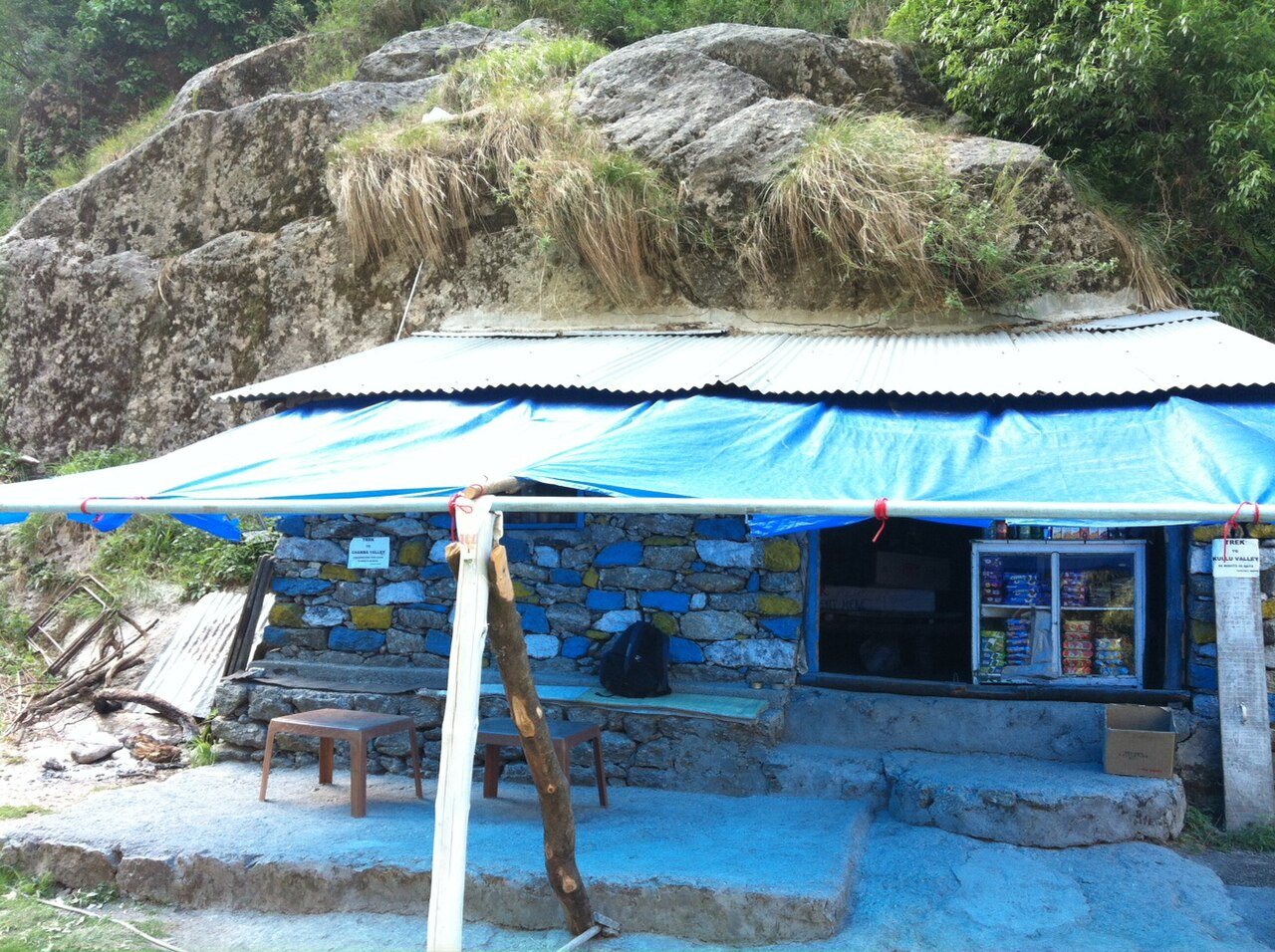
| Remote High-Altitude Villages (Spiti/Zanskar) | ✕ No cell signal / connectivity | ✕ Zero card machines | ✦ Absolute King (carry crisp notes) |
Foreign travelers lose between 6% and 11% of their travel budget to a clever psychological trick played by Indian ATMs and point-of-sale card terminals. Here is how to shield your money: For international travelers, this section adds practical context to India travel.
When you insert your foreign debit/credit card into an ATM or restaurant terminal, the screen politely asks: "Would you like to be billed in USD ($) or Indian Rupees (₹)?" It shows a guaranteed exchange rate with "Zero Currency Volatility." This cost of traveling to India resource is designed to help international travelers plan with greater clarity.
THIS IS A HIGH-MARGIN TRAP CALLED DYNAMIC CURRENCY CONVERSION (DCC).
Always choose to be charged in Indian Rupees (INR). When you select INR, your home issuing bank (Chase, Barclays, Deutsche Bank, Wise, Revolut) performs the wholesale conversion at the interbank rate (typically 0% to 1% spread). For international travelers, this section adds practical context to India tourism.
If you select your home currency, the local machine sets an exorbitant retail exchange rate loaded with a 7% to 10% markup!
Use ATMs inside secure bank branches (State Bank of India / SBI, HDFC Bank, ICICI Bank, or Bank of Baroda) rather than standalone kiosks on dark street corners. Most Indian ATMs limit withdrawals to ₹10,000 per transaction (roughly $120 USD). If you need ₹20,000, perform two separate transactions back-to-back. For international travelers, this section adds practical context to travel to India.
How much money do you actually need per day, and what ratio should be kept in cash versus digital wallets? For international travelers, this section adds practical context to visit India.
Regardless of your digital comfort, always tuck away an untouchable reserve of ₹2,000 in small denominations (ten ₹100 notes and five ₹200 notes) in a hidden compartment of your daypack. If your phone battery dies, if you enter a temple basement with dead cellular reception, or if an auto-driver's phone run out of data, this small paper vault ensures you are never stranded. This how to travel in India resource is designed to help international travelers plan with greater clarity.
Straight answers to the most common questions foreign tourists bring to our editorial desk: For international travelers, this section adds practical context to visit India.
Learn the five golden rules of hygienic culinary exploration from Delhi chaat to Kerala seafood. For international travelers, this section adds useful context to Indian cuisine.