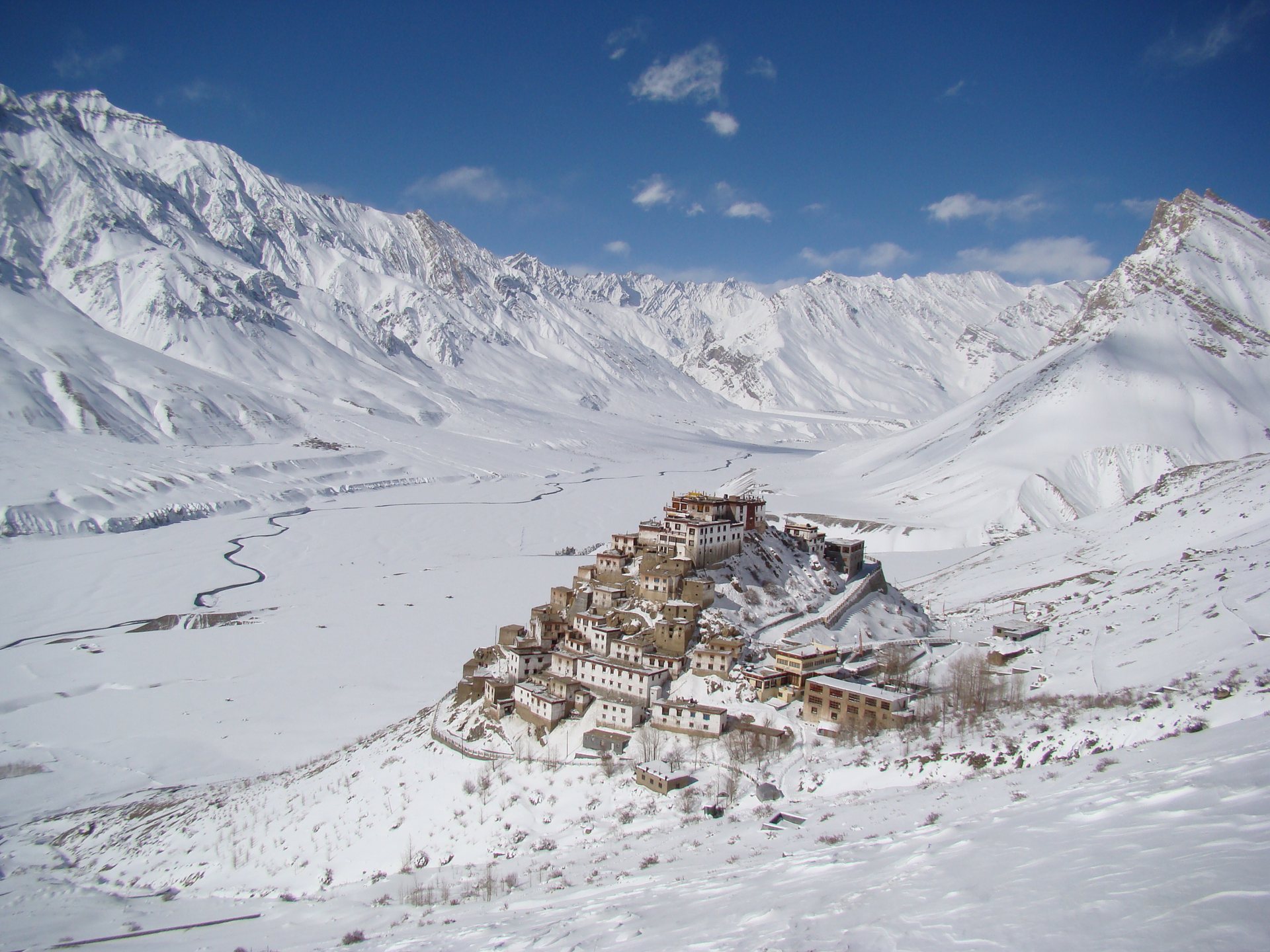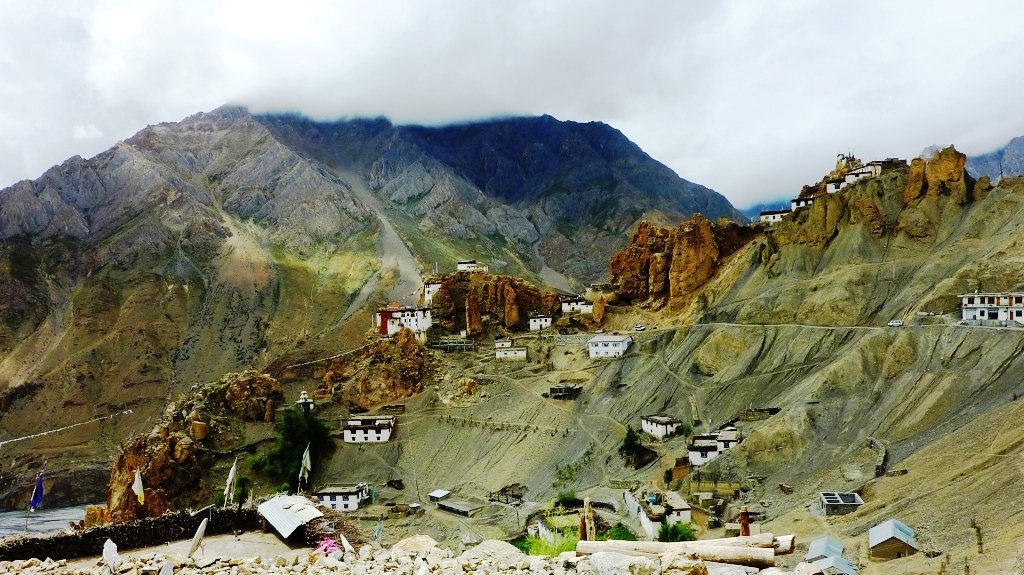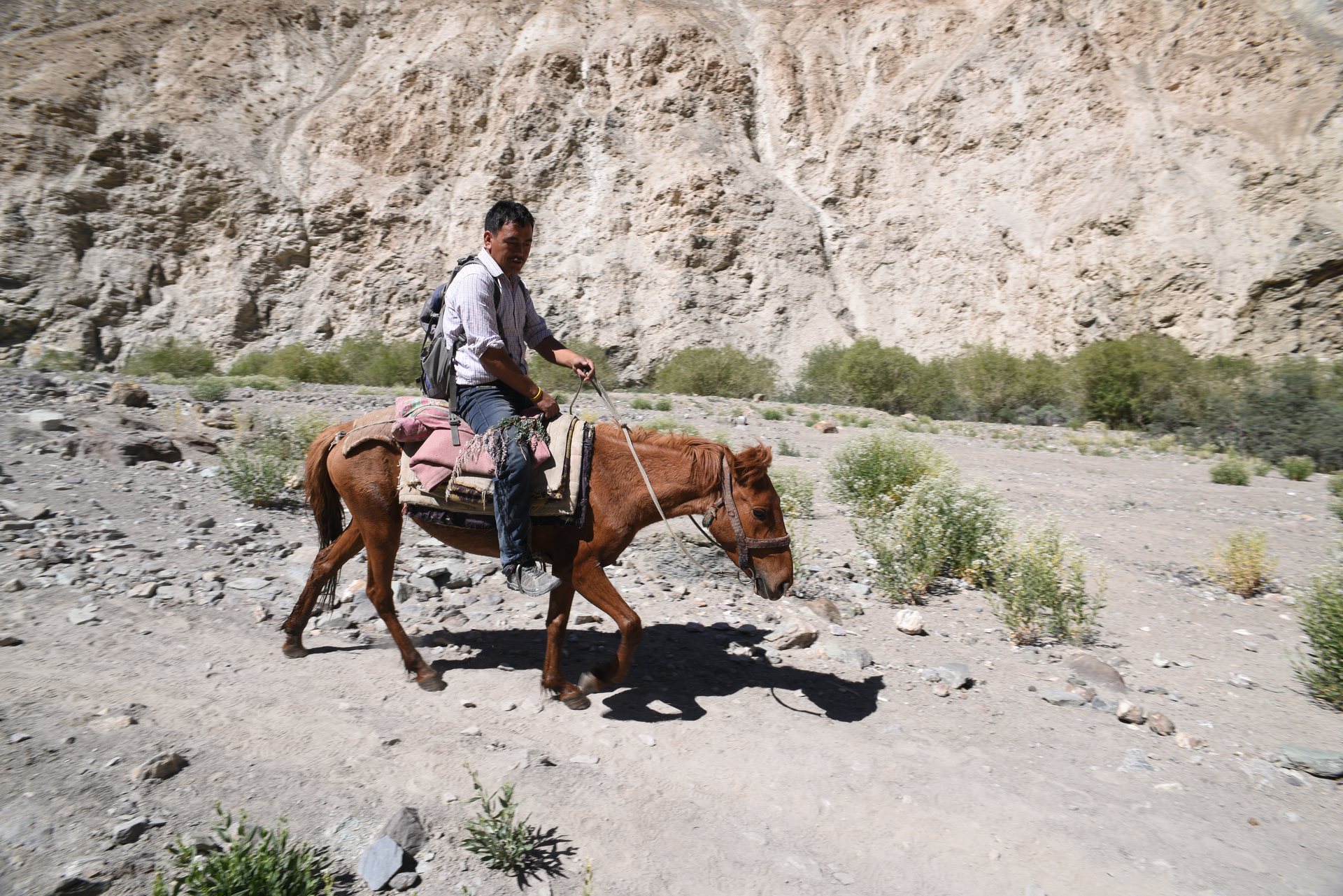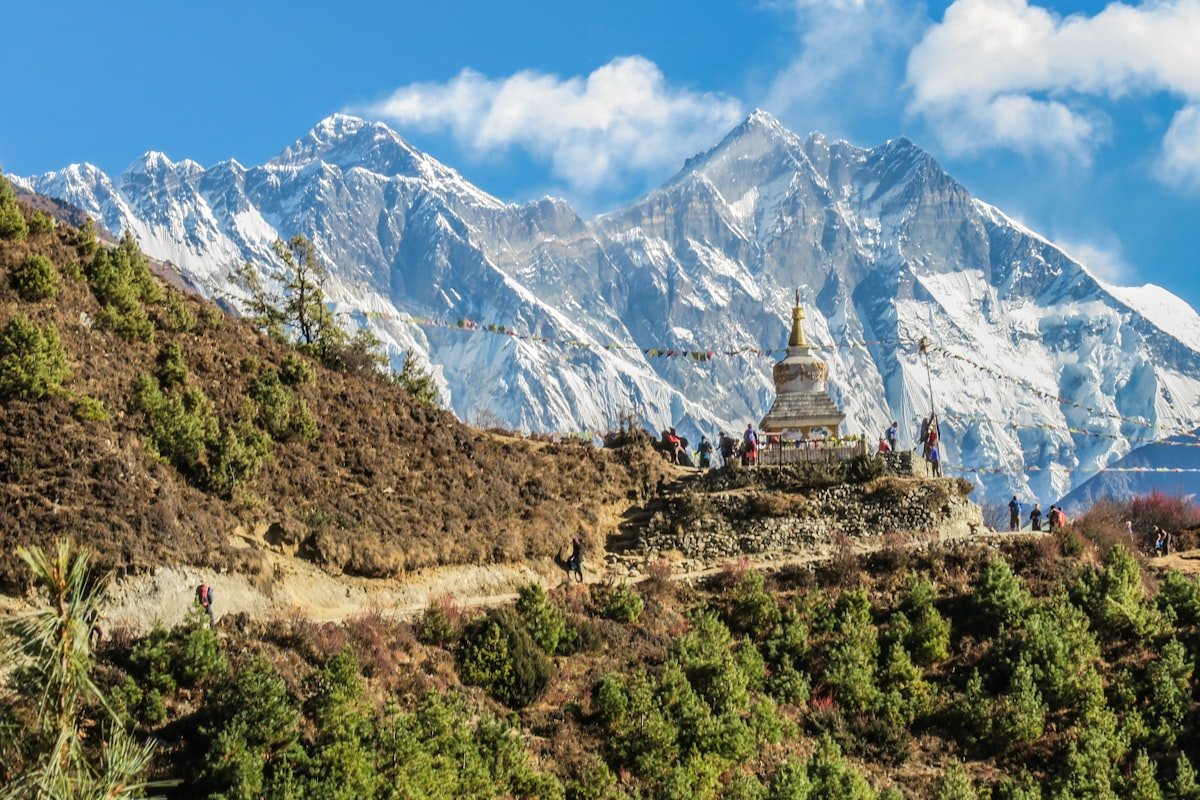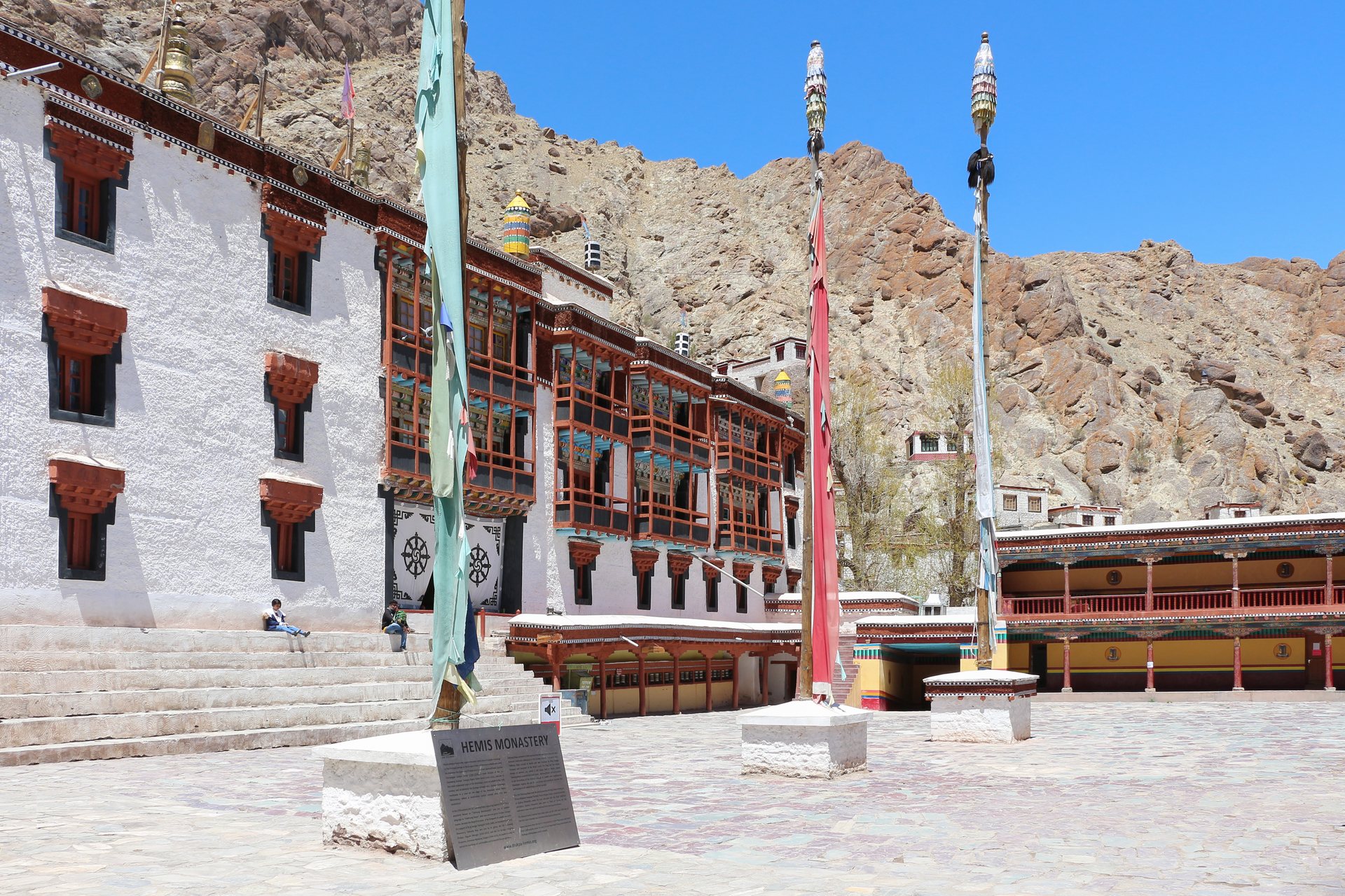
Ancient Hemis Gompa complex nestled in a high Himalayan gorge in Ladakh
THE TRANS-HIMALAYAN FRONTIER • LADAKH & SPITI

Ladakh Travel — Ladakh Travel Guide and Himalayan Journeys

Across Ladakh, Spiti and the high Himalayan valleys, altitude shapes everything — the landscape, the architecture, the rhythm of life and the traditions that have endured among the mountains. This section is especially useful for travelers researching Ladakh travel.

3,500m – 5,359m
Pass & Plateau Elevations
1,027 Yrs
Continuous Living Worship at Tabo
Rain Shadow
300+ Annual Days of Sunlight
-35°C Winter
High Glacial Solitude
AN INTERNATIONAL EDITORIAL PERSPECTIVE

Beyond Alpine Scenery: How Altitude Shapes Civilization — India Travel Guide

For many travelers, mountain journeys evoke alpine meadows, forested foothills, and recreational ski chalets. The trans-Himalayan plateau of northern India belongs to an entirely different planetary order. For international travelers, this section adds practical context to India travel guide.

Rising dramatically behind the moisture-trapping wall of the Great Himalayan range, Ladakh and Spiti sit in a vast rain shadow. Here, maritime monsoon clouds cannot penetrate. What unfolds instead is a hyper-arid, high-altitude cold desert—a high tableland sculpted by tectonic collisions, glacial melt, razor-sharp solar radiation, and immense silence. At elevations ranging from 3,000 meters in deep river gorges to well over 5,300 meters on motorable mountain passes, the atmospheric pressure drops by more than a third, filtering out atmospheric haze and leaving a sky of startling, crystalline cobalt.

In this extreme landscape, the Himalayas are never merely scenery or an athletic backdrop. Altitude is the supreme architect of life. It dictates where human communities can settle: clustered tightly around narrow alluvial fans where glacial torrents provide the only available moisture. It dictates building methods: multi-tiered structures constructed of sun-baked mud bricks and willow timbers designed to absorb diurnal solar heat and insulate against winter freezes that plunge past -30°C. It shapes agricultural rhythms, where farmers have cultivated ancient varieties of black barley (*nas*) along intricate networks of stone irrigation canals for over a thousand years.

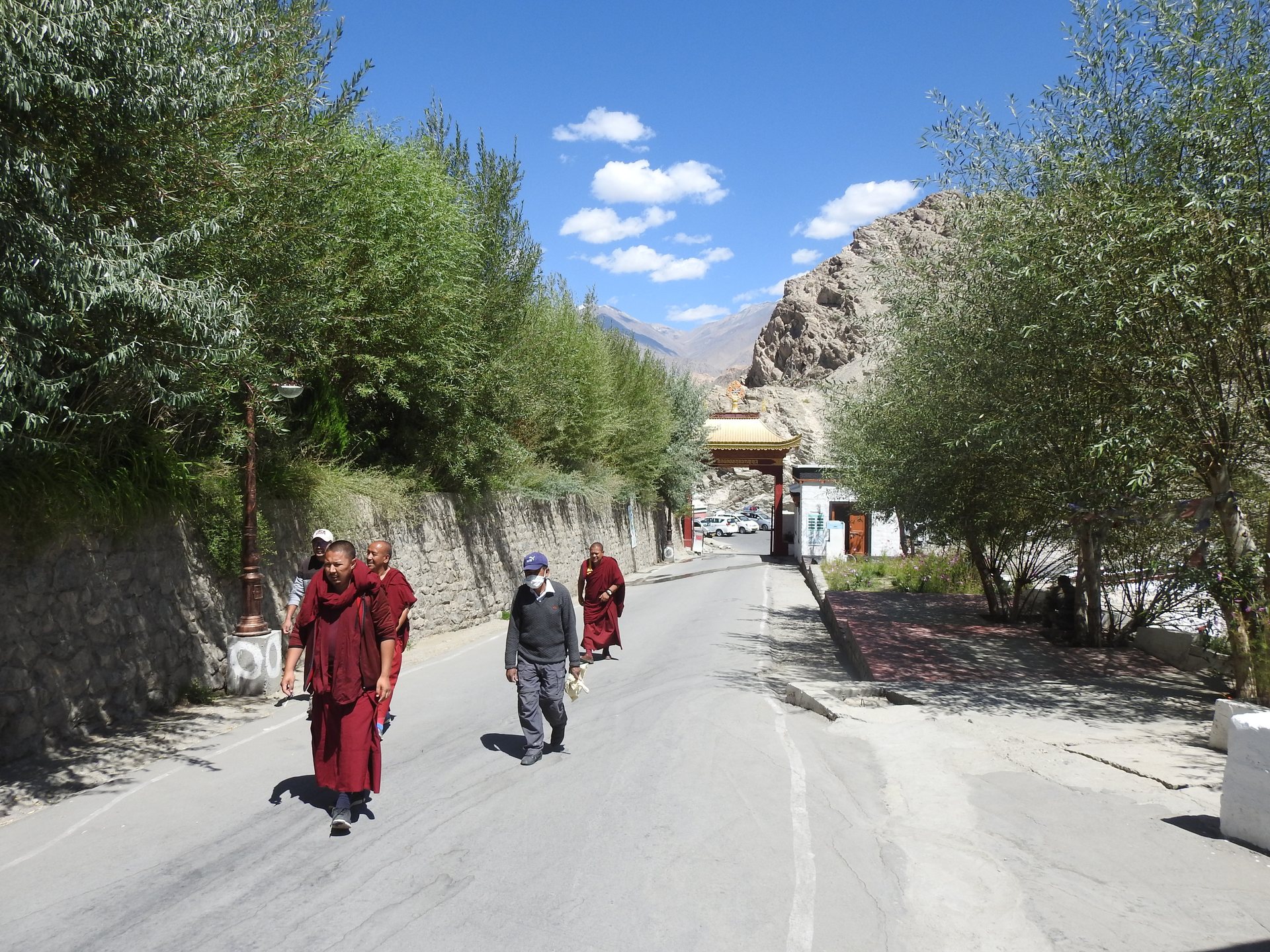
Most profoundly, the immense scale of this environment has nurtured a spiritual ethos centered on impermanence, mindfulness, and mutual interdependence. Tibetan Buddhist monastic sanctuaries do not dominate the mountain crags; they emerge organically from the rock, their whitewashed facades mirroring the eternal snow peaks above. To travel through Himalayan India as an international visitor is not to conquer peaks, but to enter a living civilization that has mastered the art of human dignity in one of the earth's most demanding environments.

“In the high trans-Himalayas, you do not conquer mountains. You learn the humility of breathing where air is a gift, and silence is an active presence.”
Tenzin Norbu Elder Scholar of Himalayan Buddhist Geography, Leh
THE KINGDOM OF MOUNTAIN PASSES

Ladakh: High Desert of the Indus — Places To Visit In Ladakh

From the ancient Silk Road trading bazaar of Leh to wind-sculpted river canyons, cliff-hanging gompas, and turquoise endorheic lakes, Ladakh is a world of sublime starkness. This section is especially useful for travelers researching places to visit in Ladakh.

Twelve-tiered whitewashed Thiksey Monastery rising on a desert crag in the Indus Valley of Ladakh
THE SACRED INDUS ARTERY

Leh & The Great Monasteries of the Indus Valley — Travel To India

Nestled at 3,500 meters in an amphitheater of barren granite hills, the historic capital of Leh was for centuries the bustling junction where caravans bearing Central Asian silk, Yarkandi carpets, Tibetan wool, and Indian spices converged. Above the labyrinthine alleys of the mud-brick Old Town rises the imposing nine-storey Leh Palace, an earthen fortress whose battered walls anticipate Lhasa's Potala. For international travelers, this section adds practical context to travel to India.

Following the sacred course of the Indus River southeast reveals Ladakh's most venerated monastic institutions. Thiksey Gompa cascades down a dramatic limestone outcrop across twelve whitewashed tiers, crowned by red and ochre shrines housing a radiant two-storey statue of Maitreya Buddha. Further up a secluded side gorge lies Hemis Gompa, the spiritual seat of the Drukpa Kagyu lineage, guarding priceless 17th-century silk appliqués and ancient tantric manuscripts behind monumental carved timber portals.

KEY SITESLeh Old Town, Thiksey, Hemis, Alchi
ELEVATION3,500m – 3,700m
ATMOSPHEREMorning Puja, Bronze Horns & Butter Lamps
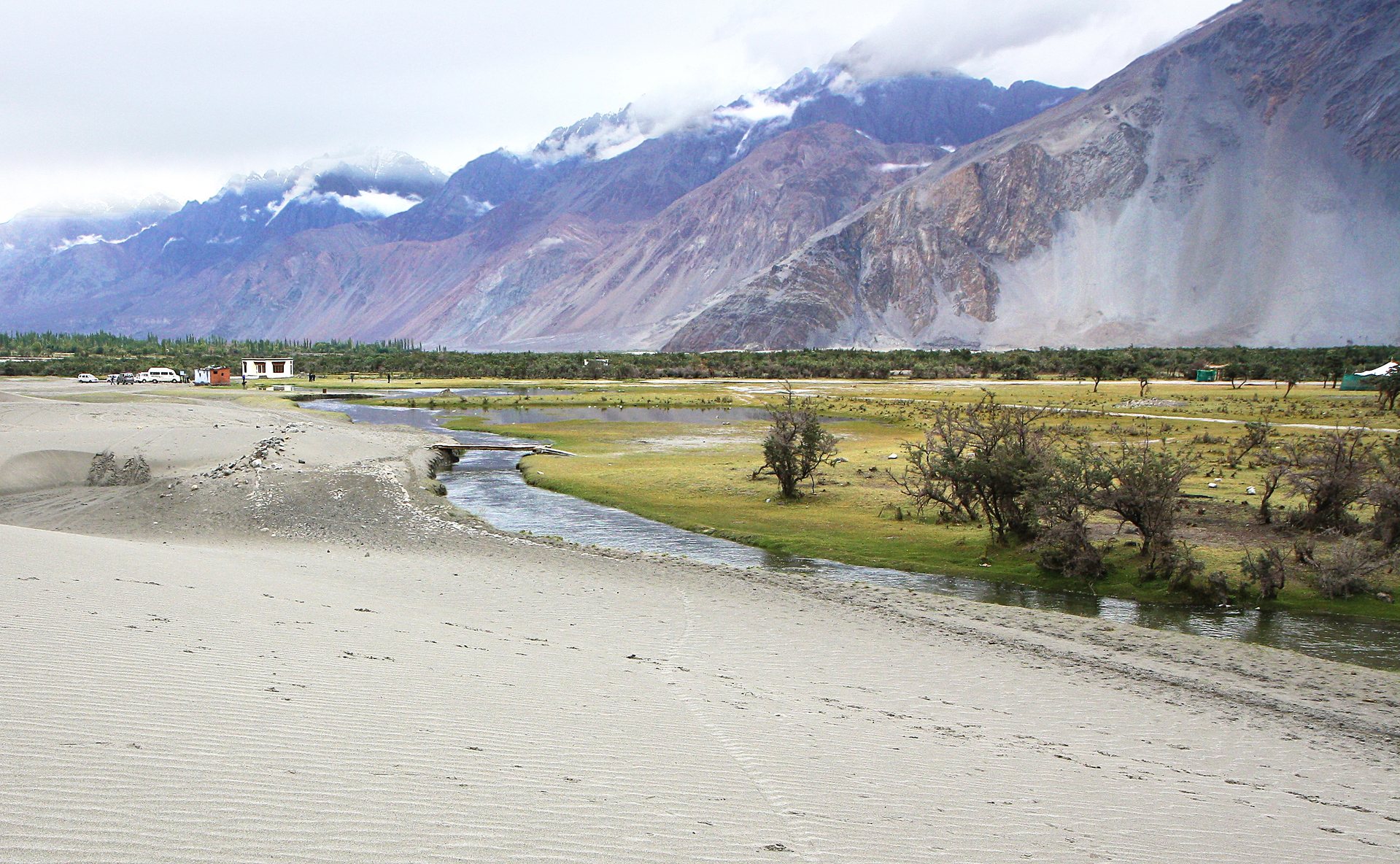
White sand dunes of Hunder in Nubra Valley framed by towering Himalayan mountains DUNES AT 3,000M
THE SHYOK & NUBRA CORRIDOR

Nubra Valley & Diskit Oases — Visit India

Ascending past the snowbound switchbacks of Khardung La (5,359m) brings travelers into the wide glacial trough of Nubra. Here, beside braided glacial torrents and sea-buckthorn groves, shifting white desert sand dunes are home to shaggy double-humped Bactrian camels—living relics of ancient trans-Himalayan trade routes beneath the colossal golden gaze of Diskit Monastery's 32-meter Buddha. For international travelers, this section adds practical context to visit India.

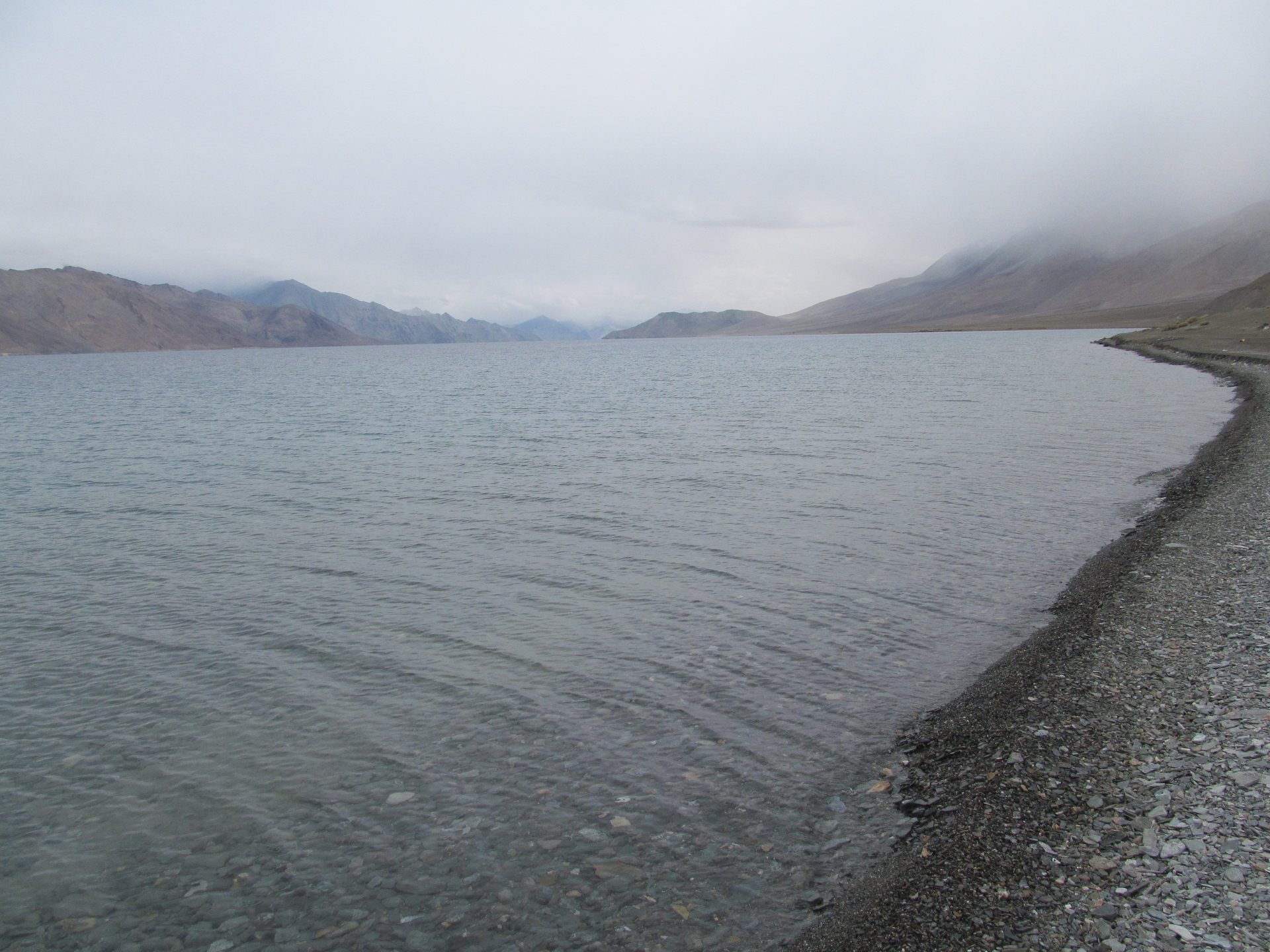
Intense cobalt blue waters of Pangong Tso lake reflecting barren desert mountains 4,250M ENDORHEIC BASIN
THE HIGH SALINE TARNS

Pangong Tso & Changthang — India Travel

Stretching over 134 kilometers from India into western Tibet, Pangong Tso is an endorheic inland sea that holds no outlet to the ocean. Throughout the day, changing angles of mountain sunlight shift its saline waters from slate gray to luminous turquoise and deep cobalt, contrasting starkly with the scree ridges that plunge directly into its mirror-calm surface. For international travelers, this section adds practical context to India travel.

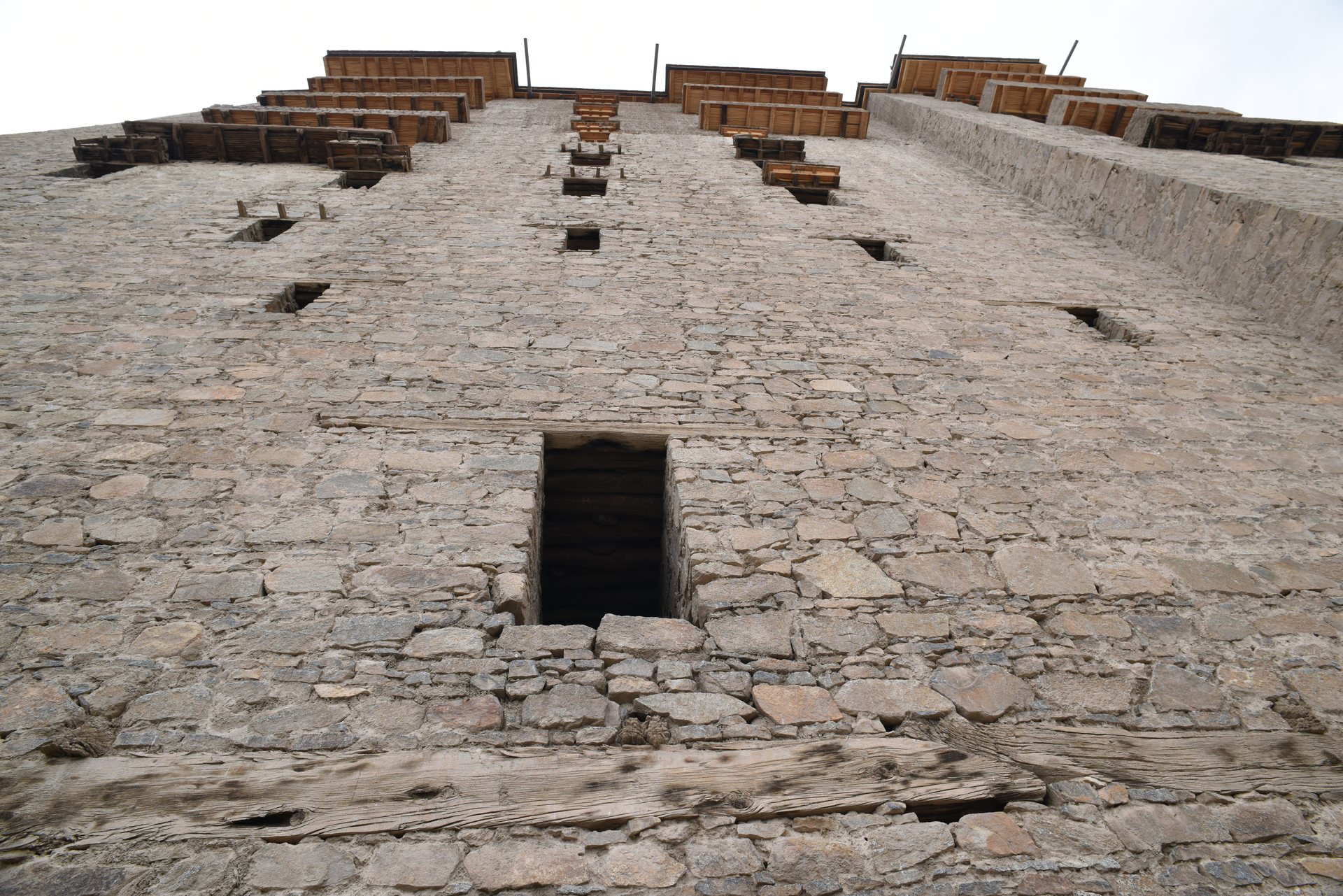
Monumental sheer granite and sun-dried mud walls of Leh Palace 17TH-CENTURY BASTION
MEDIEVAL EARTHEN FORTRESS

Leh Palace & Namgyal Tsemo — India Travel Guide

Erected by King Sengge Namgyal around 1600 CE, the Royal Palace of Leh demonstrates the pinnacle of Himalayan seismic engineering: massive battered granite foundations tapering upward into timber-laced sun-dried brick, designed to absorb tectonic movement while overlooking the sprawling green oasis of Leh below. For international travelers, this section adds practical context to India travel guide.

THE ISOLATED SANCTUARY OF HIMACHAL

Spiti Valley: Raw, Remote & Ancient — India Tourism

Cut off from the world behind Kunzum La and Rohtang passes for much of the year, Spiti preserves thousand-year-old Buddhist art, marine fossils from prehistoric oceans, and an austere meditative silence untouched by commercial modernity. For international travelers, this section adds practical context to India tourism.

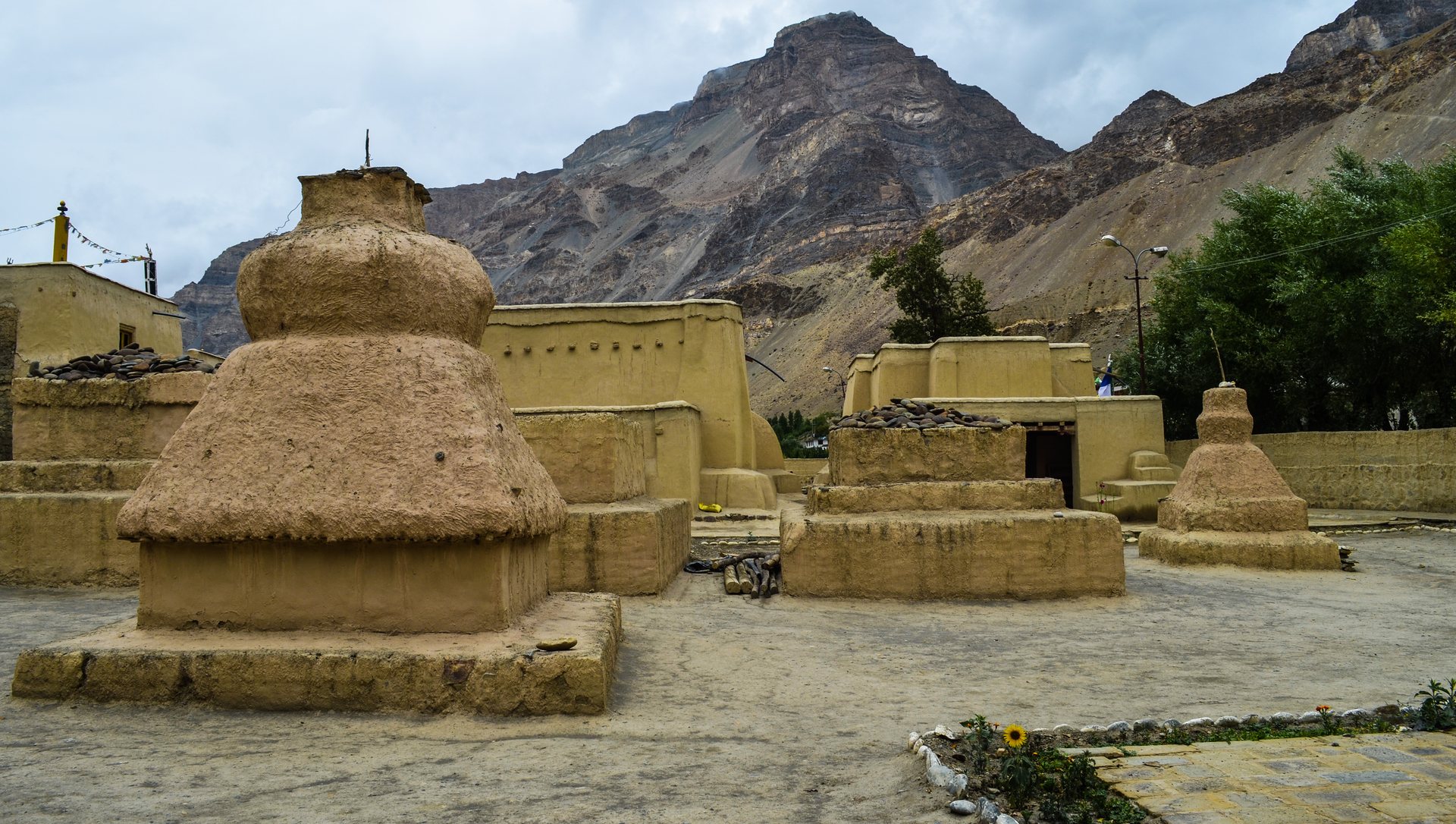
Ancient sun-dried mud monastery of Tabo in Spiti Valley founded in 996 CE
FOUNDED 996 CE • UNESCO RECOGNIZED

Tabo Gompa: The Ajanta of the Himalayas — Ladakh Travel

Unlike cliff-top monasteries built for defensive military vigilance, Tabo sits quietly on the flat valley floor of the Spiti River. Founded in 996 CE by the royal monk Yeshe-Ö during the Tibetan Buddhist renaissance, Tabo's unassuming mud-brick exterior conceals an astonishing spiritual treasure: thirty-three life-sized clay sculptures of bodhisattvas projecting from wall recesses, surrounding illuminated frescoes painted with lapis lazuli, malachite, and gold leaf that have survived unblemished across a millennium. This section is especially useful for travelers researching Ladakh travel.

In the ancient assembly hall (*gTsug-lag-khang*), natural light filters through small timber roof lanterns, illuminating murals depicting the spiritual journey of Sudhana. Here, worship has continued unbroken every single morning for 1,027 years without interruption.

AGEOver 1,027 Years Old
ARTKashmiri-Tibetan Clay Frescoes
LOCATIONLower Spiti Valley (3,280m)
Key Gompa fortress complex perched high on a conical rock in Spiti Valley 4,166M CONICAL CRAG
GELUGPA CITADEL

Key Gompa & Kaza — Visit India

Perched atop a natural conical rock pyramid overlooking the braided Spiti River, Key Monastery resembles a medieval honeycomb fortress. Survived through Mongol sieges and Dogra invasions, its subterranean prayer chambers and upper *zimchung* residential quarters house hundreds of novice monks studying Gelugpa Buddhist philosophy. For international travelers, this section adds practical context to visit India.

Dhankar Monastery hanging precipitously over a cliff above the river confluence in Spiti CLIFFTOP FORTRESS
ANCIENT CAPITAL

Dhankar Cliff Gompa — India Travel

The historic capital of the Nono kings of Spiti, Dhankar balances precariously on razor-sharp mud and conglomerate needles hundreds of meters above the dramatic confluence of the Spiti and Pin rivers. Its watchtower walls commanded ancient pass entrances against invading armies. For international travelers, this section adds practical context to India travel.

Crescent-shaped emerald waters of Chandratal Lake against scree mountains in Spiti 4,300M LAKE OF THE MOON
GLACIAL SANCTUARY

Chandratal & High Villages — India Travel Guide

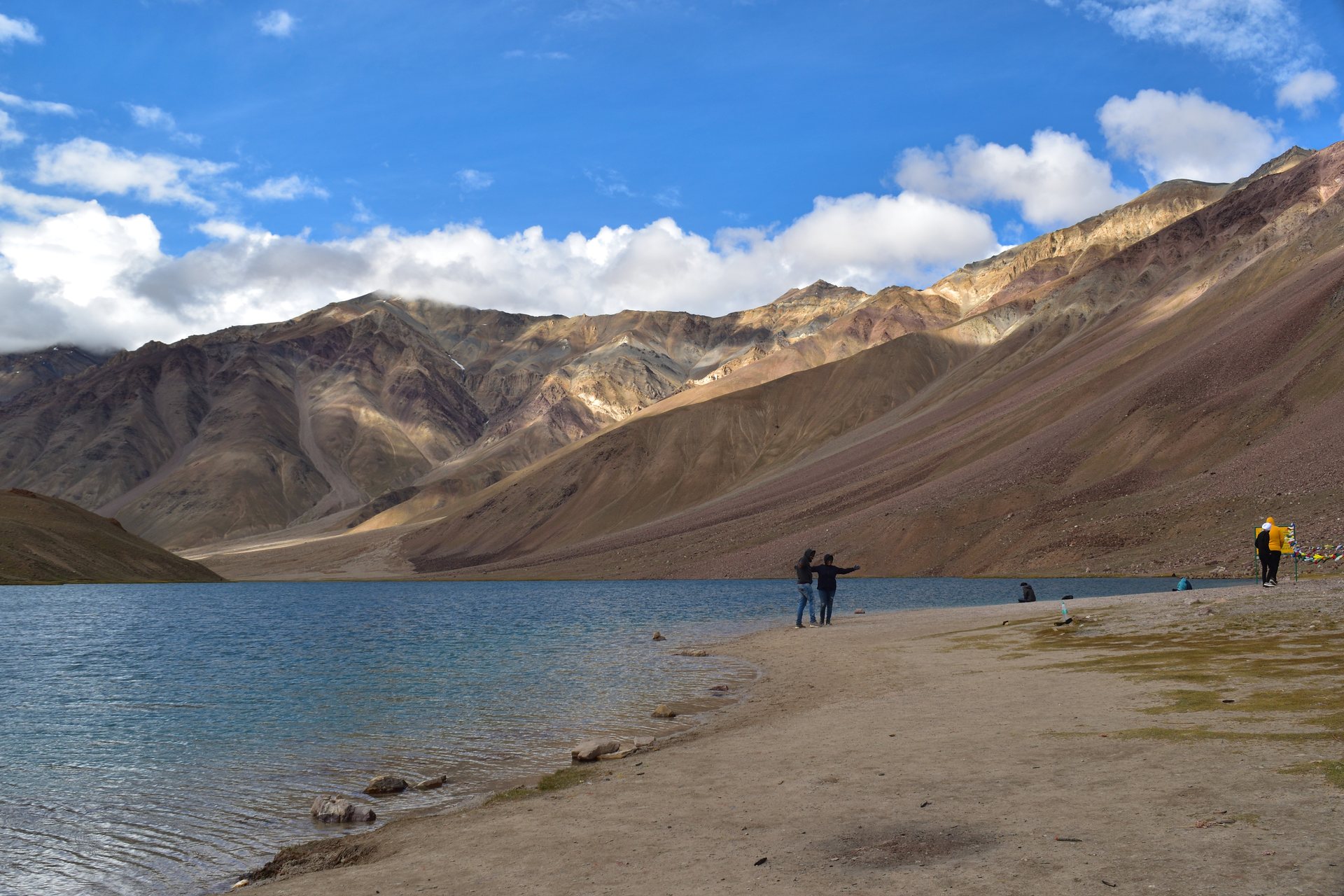
Situated on the desolate Samudra Tapu plateau beneath Chandra Bhaga peaks, Chandratal is an alpine jewel whose crystalline water mirrors passing clouds. Nearby, high settlements like Komic (4,587m) and Hikkim (4,440m) prove the sheer resilience of mountain farming communities. For international travelers, this section adds practical context to India travel guide.

THE SPIRIT OF INTERDEPENDENCE

Himalayan Culture: Living Traditions of the Heights — Festivals In India

In high valleys where survival depends entirely on mutual cooperation, cultural practices are not folklore—they are sophisticated systems of ecological stewardship, spiritual refuge, and social harmony. This section also gives international visitors practical context for festivals in India.

Five-color Buddhist prayer flags fluttering against soaring snow peaks in the Himalayas
LUNGTA: THE SACRED WIND HORSE

The Five Elements & The Compassionate Gale — Travel To India

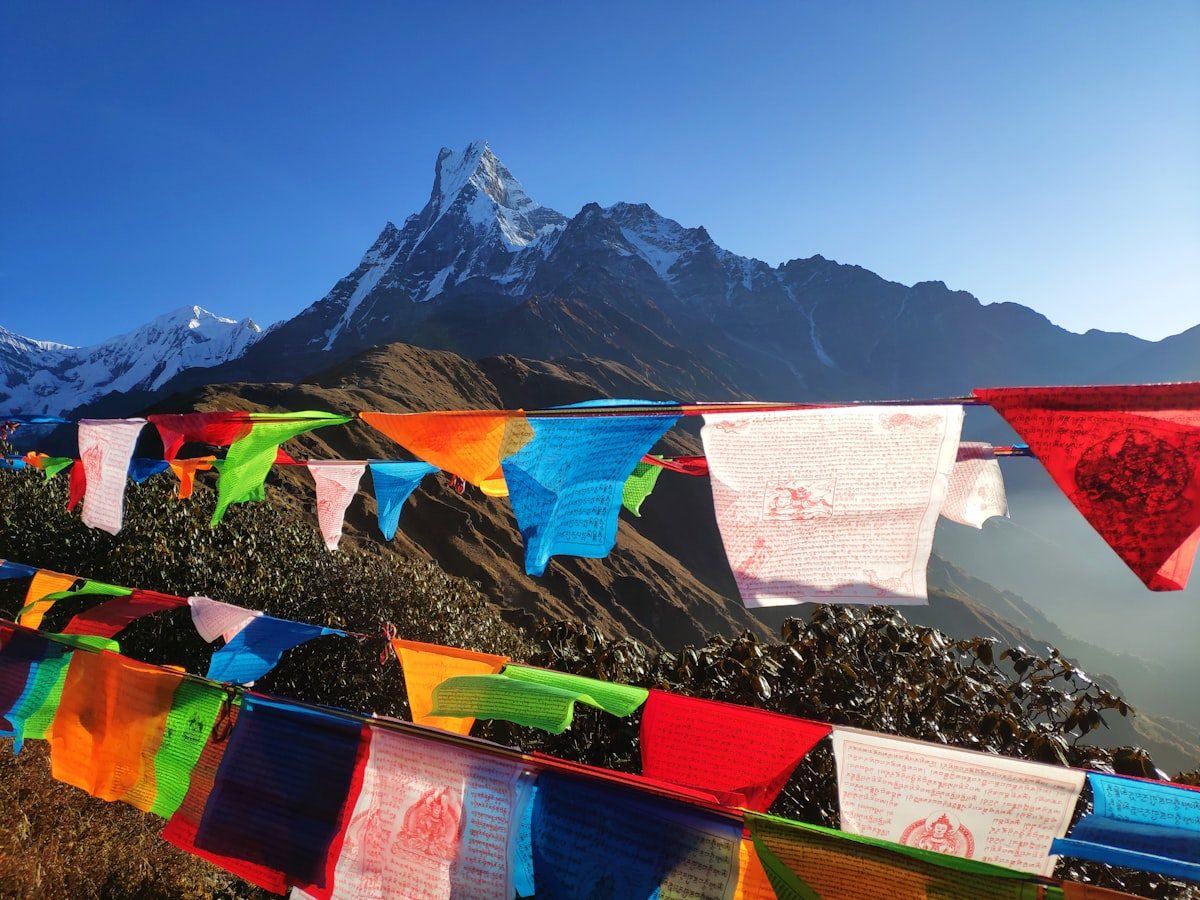
Every high pass, bridge crossing, and rooftop in the trans-Himalayas is garlanded with *Lungta* (five-color prayer flags). To the foreign visitor, they are visually iconic; to Himalayan inhabitants, they embody fundamental cosmological wisdom. Arranged in a strict invariable order from left to right, the colors represent the universal elements: Blue for space (*nam*), White for air and cloud (*lung*), Red for fire (*me*), Green for water (*chu*), and Yellow for earth (*sa*). For international travelers, this section adds practical context to travel to India.

Printed with woodblocks carrying prayers for universal peace and compassion, the flags are placed deliberately on windy ridges so that every gust of mountain air breathes blessings outward across all sentient beings. As the sun and gales gradually fray the fabric, the prayers dissolve into the universe, serving as a gentle daily reminder of the impermanence of all worldly phenomena.

Changpa nomads with their livestock on the Changthang high-altitude plateau of Ladakh
NOMADIC PASTORALISM

The Changpa & The Golden Fleece of Changthang — Visit India

On the windswept grasslands of Changthang, extending between 4,500 and 5,000 meters, live the nomadic Changpa pastoralists. In this climate of bitter cold, where winter winds howl at -35°C, their Changthangi goats (*Capra hircus*) develop an ultra-fine undercoat of downy hair measuring just 12 to 15 microns in diameter—one-sixth the thickness of a human hair. For international travelers, this section adds practical context to visit India.

This is authentic Pashmina (Cashmere). In spring, the wool is gently combed out by hand, never sheared. The Changpa live in woven yak-hair tents (*rebo*), moving their herds across seasonal grazing pastures according to ancestral ecological codes that prevent pasture degradation and preserve water sources for migrating black-necked cranes and snow leopards.

WATER GOVERNANCE

Glacial Canals (Yura) — India Travel

Without rainfall, agriculture relies exclusively on snow and glacier melt. Villages elect a water guardian (*chhurpon*) who manages the distribution of water through stone canals (*yura*) so that every household receives equitable irrigation according to strict ancestral rotation. For international travelers, this section adds practical context to India travel.

MONASTIC RITUALS

Masked Dances (Cham) — India Travel Guide

During annual winter festivals such as Hemis Tsechu and Gustor, monks don elaborate silk robes and papier-mâché masks representing protective deities. Accompanied by cymbals, drums, and eight-foot dungchen horns, the dance enacts the triumph of spiritual clarity over destructive ego. For international travelers, this section adds practical context to India travel guide.

COMMUNITY SOLIDARITY

Mutual Aid (Bes) — India Tourism

The harsh climate fosters a collaborative labor network known as *bes*. When a family needs to harvest barley before autumn frosts, rebuild a mud-brick roof, or spin winter wool, entire village neighborhoods work collectively, sustained by shared kettles of butter tea. For international travelers, this section adds practical context to India tourism.

Key themes include places to visit in Ladakh, Ladakh trip, Himachal Pradesh travel, helping international travelers plan an informed and memorable journey.

VERNACULAR SUSTAINABILITY

Architecture Built for the Mountains — India Heritage Sites

Centuries before modern thermal physics, Himalayan builders mastered zero-carbon, passive solar architecture using nothing more than granite boulders, sun-dried clay, willow branches, and directional orientation. International travelers can use this section when exploring India heritage sites.

Traditional Himalayan vernacular mud-brick and timber window architecture with passive solar design
PASSIVE THERMAL MASS

The Science of Sun-Dried Mud & Timber — Visit India

A traditional Ladakhi or Spitian house is a marvel of ecological engineering. Constructed with thick exterior walls of sun-dried adobe bricks (composed of local clay, river silt, and straw), the structure possesses immense thermal inertia. During the day, thin high-altitude sunlight heats the earthen walls. By nightfall, when ambient temperatures plunge far below freezing, the walls slowly radiate this stored heat into the interior living chambers. For international travelers, this section adds practical context to visit India.

The layout reflects seasonal climate survival:

  • Ground Floor: Storage cellars and winter animal stables, where the biological warmth of yaks and sheep rises to heat the living quarters above.
  • Middle Floor: Winter living rooms and winter kitchen centered around a clay stove (*chulha*), with small window apertures that minimize heat loss.
  • Upper Floor: Bright, south-facing summer rooms (*sal*) with wide wooden balconies framed in carved poplar timber, catching warm daytime sun.
  • Flat Roof: Layered with dry willow twigs, clay soil, and straw, serving as a sun-drenched terrace for drying barley, wild apricots, and winter firewood.
COLD-CLIMATE NOURISHMENT

Nourishment from High Valleys: The Himalayan Kitchen — Ladakh Travel

Trans-Himalayan food is an honest, sustaining response to altitude, short growing seasons, and deep winter freezes—designed to warm the core, restore vital electrolytes, and sustain physical endurance. This section is especially useful for travelers researching Ladakh travel.

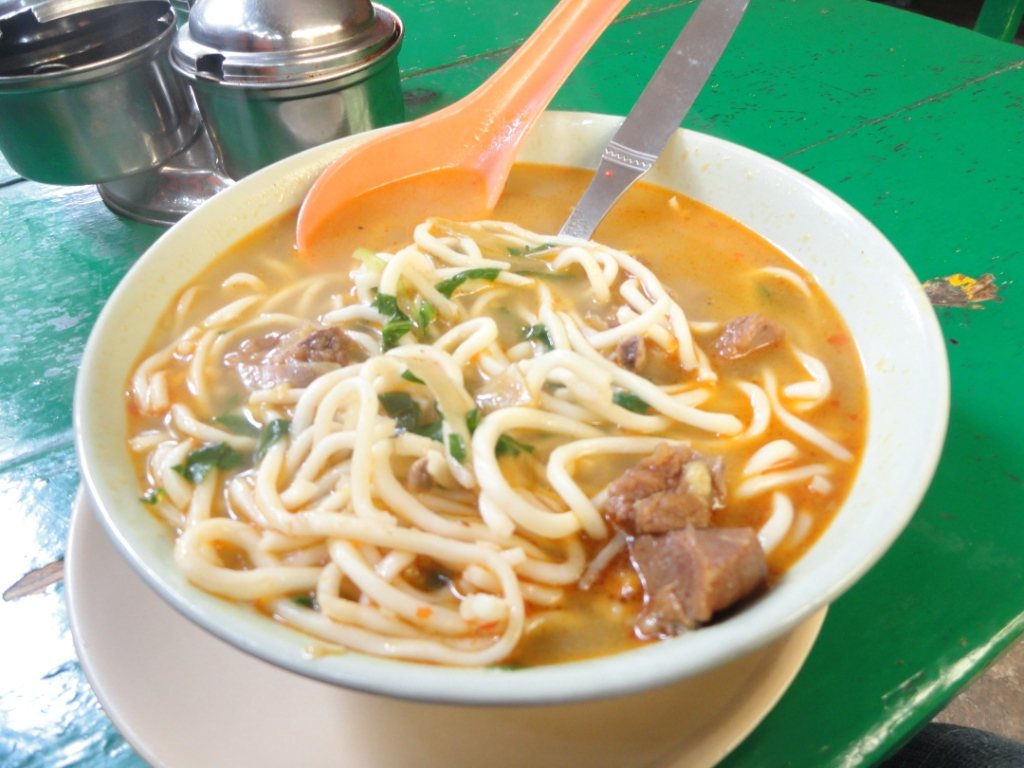
Hot steaming bowl of Himalayan vegetable noodle soup Thukpa with broth and cilantro WARMING BROTH
STAPLE NOODLE SOUP

Thukpa — India Travel Guide

A deeply comforting soup of hand-pulled wheat noodles steeped in a rich, simmering broth infused with ginger, garlic, wild mountain caraway, root vegetables, and fresh greens. Often flavored with *timur* (Himalayan Sichuan pepper), Thukpa promotes circulation and provides crucial fluid intake in arid mountain air. For international travelers, this section adds practical context to India travel guide.

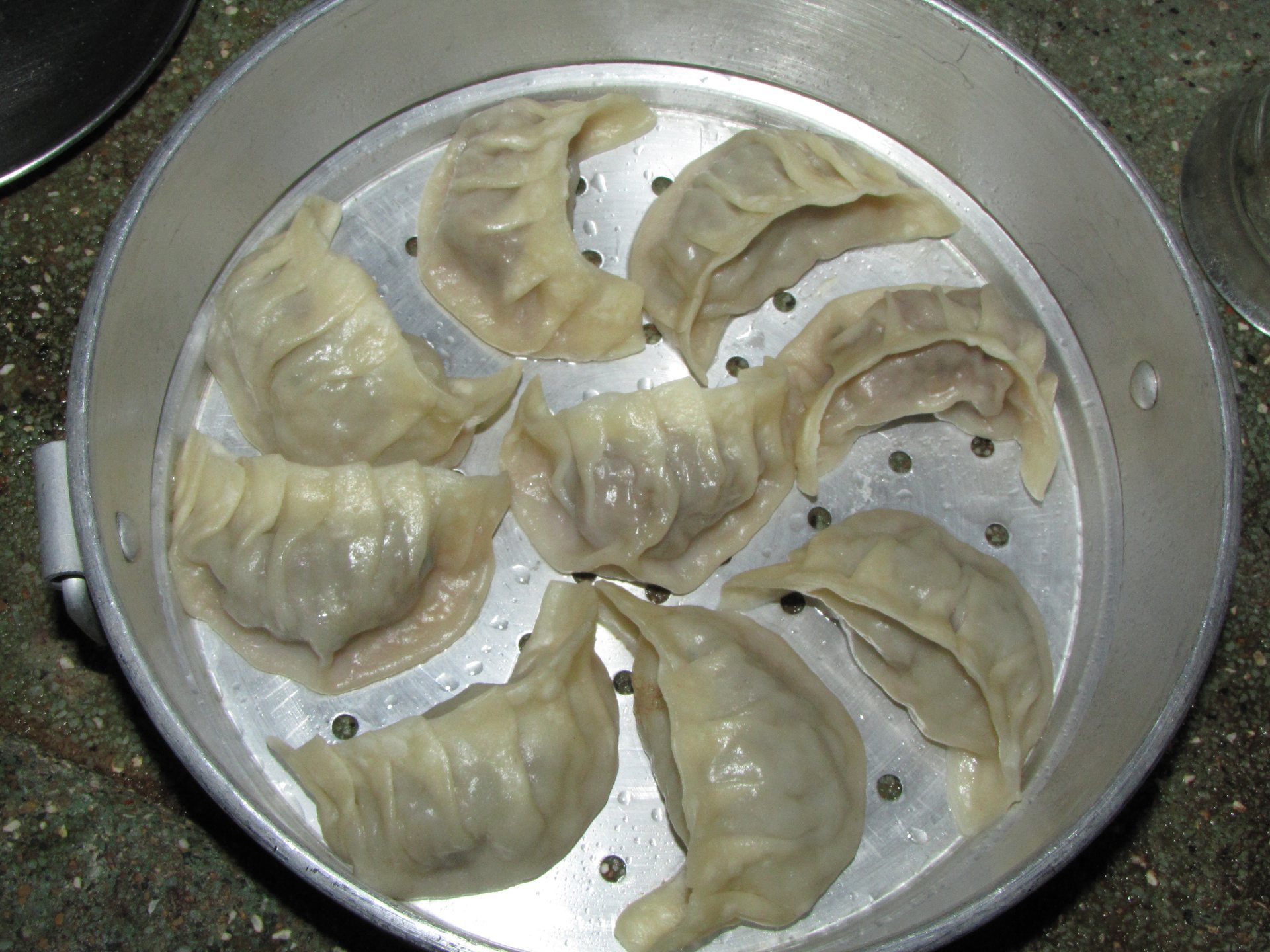
Freshly steamed hand-pinched Tibetan style momos served in bamboo steamer HAND-PLEATED STEAMED
SACRED DUMPLING CRAFT

Momos — India Tourism

Delicately hand-pinched dumplings with crescent or pouch folds, filled with seasoned mountain cabbage, local greens, and curd cheese. Steamed over layered copper or aluminum pots and paired with fiery homemade chutney crafted from crushed red chilies, garlic, and wild mountain herbs. For international travelers, this section adds practical context to India tourism.

High Himalayan mountain pass where travelers carry roasted barley flour Tsampa and butter tea NOMADIC FUEL
ENERGY STAPLE

Tsampa & Gur-Gur Chai — Travel To India

*Tsampa* is roasted highland barley milled into fine nutty flour—a ready-to-eat nutrient-dense food that never spoils on long pass crossings. It is mixed with *Gur-Gur Chai* (salted tea churned with yak butter), creating a rich savory porridge that supplies essential lipids and prevents chapped lips in freezing gales. For international travelers, this section adds practical context to travel to India.

SKYUTraditional thumb-pressed wheat pasta slowly stewed with turnips and dried apricots
CHHURPIRock-hard dried yak cheese, chewed slowly for hours on high trails for sustained protein
SEA BUCKTHORNTart golden berry (*Leh berry*) packed with natural vitamin C, harvested in wild Nubra riverbeds
RESPONSIBLE MEDICAL GUIDANCE

High-Altitude Acclimatization Science — Visit India

Ascending into the Himalayas is a profound physiological transition. Traveling responsibly requires understanding how your body adapts to lower atmospheric pressure and respecting the immutable physics of altitude. For international travelers, this section adds practical context to visit India.

1

The Mandatory 48-Hour Rest Rule (3,500m)

When flying directly from Delhi (200m) into Leh (3,500m), you ascend over 3,300 vertical meters in just 75 minutes. The effective oxygen pressure drops by approximately 35%. You MUST spend Days 1 & 2 resting quietly at your hotel. Do not climb stairs rapidly, do not hire motorbikes, and do not travel to high passes on arrival. Allow your body time to naturally synthesize erythropoietin (EPO) and increase oxygen transport capacity.

2

Arid Hydration & Mountain Nutrition

Mountain air above 3,500 meters is extraordinarily arid, accelerating respiratory moisture loss with every breath. Drink 3.5 to 4.5 liters of filtered or boiled water daily. Consume warming soups, garlic broth, and complex carbohydrates (barley and rice) which require less oxygen to metabolize. Abstain completely from alcohol, tobacco, and sedatives for the first 3 to 4 days, as they depress respiration during sleep.

3

Recognizing AMS & The Golden Rule of Descent

Acute Mountain Sickness (AMS) presents as throbbing frontal or occipital headache, fatigue, mild nausea, and disturbed sleep. Acetazolamide (Diamox) may assist ventilation under clinical physician guidance prior to ascent. The foundational rule of mountain medicine: If symptoms worsen to breathlessness at rest, persistent vomiting, coughing with pink froth, or loss of balance (ataxia), descend immediately. A descent of 500 to 1,000 meters saves lives.

4

Inner Line Permits (ILP) & High Pass Navigation

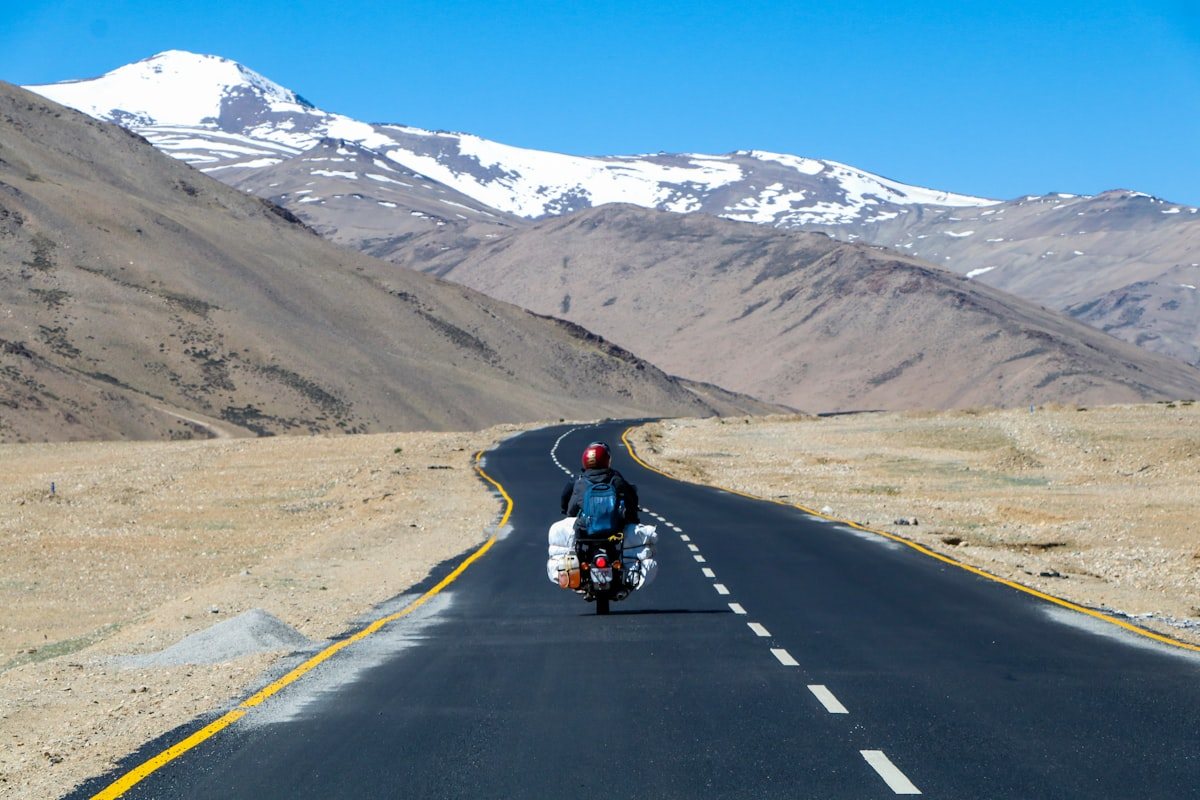
Protected trans-Himalayan corridors including Nubra Valley, Pangong Tso, Hanle, and Tso Moriri require an official Inner Line Permit (ILP) issued by the District Magistrate's office in Leh. Always carry multiple physical printed copies for checkpoint validation. Cross high mountain passes like Khardung La (5,359m) and Chang La (5,360m) during early morning hours before midday solar radiation softens snowpack.

MEDICAL DISPATCH & LOCAL EMERGENCIES

The Sonam Norboo Memorial (SNM) Hospital in Leh operates a specialized high-altitude medicine ward equipped with hyperbaric chambers and oxygen therapy facilities. Private clinics across Leh and community health centers in Kaza provide pulse oximeter checks and clinical triage. Never hesitate to seek a formal medical assessment if symptoms persist.

THE ANNUAL TRANSFORMATION

Seasonal Storytelling: Four Epochs of Altitude — Cost Of Traveling To India

Because of extreme latitude and elevation, trans-Himalayan seasons are not subtle gradations—they represent radical transformations of accessibility, landscape color, and community rhythm. This cost of traveling to India resource is designed to help international travelers plan with greater clarity.

APRIL TO MAY

Spring Awakening — India Travel Guide

Snow begins to retreat from lower valley floors. Apricot and apple orchards burst into delicate pink and white blooms in lower Nubra and Sham valleys. High motorable mountain passes remain snowbound, but flights operate reliably into Leh. The air is brisk, crisp, and completely free of summer crowds. For international travelers, this section adds practical context to India travel guide.

JUNE TO SEPTEMBER

Trans-Himalayan Summer — Ladakh Trip

The peak travel season. While monsoon rains drench peninsular India, Ladakh and Spiti sit sheltered in the rain shadow, basking in warm dry sunshine and emerald-green barley terraces. High passes including Khardung La, Kunzum La, and Baralacha La open for vehicular transit. This section is especially useful for travelers researching Ladakh trip.

OCTOBER TO NOVEMBER

Golden Autumn Light — Travel To India

Poplar and willow groves turn into radiant golden torches against impossibly deep indigo skies. Daylight hours are crisp and luminous, while nights turn sub-zero. Considered by photographers and writers to be the most visually sublime season across Ladakh and Spiti. For international travelers, this section adds practical context to travel to India.

DECEMBER TO MARCH

Glacial Winter & Solitude — Visit India

Temperatures plunge between -20°C and -35°C. Mountain roads close under heavy snow. The Zanskar River freezes into the legendary Chadar ice corridor. Monasteries host vibrant masked dance festivals (*cham*) attended almost exclusively by local villagers in sheepskin robes. For international travelers, this section adds practical context to visit India.

EXPLORE COMPLETE SEASONALITY MATRIX
ETHICAL AMBASSADORSHIP & SUSTAINABILITY

Responsible Travel: Travel Lightly Through Fragile Landscapes — India Travel Guide For First Time Visitors

The trans-Himalayan high desert is one of the most fragile ecosystems on earth. With minimal organic decomposition and acute water scarcity, mindful traveler ethics ensure this ancient world endures for generations. This India travel guide for first time visitors resource is designed to help international travelers plan with greater clarity.

ZERO PLASTIC PRINCIPLE

Eradicating Single-Use Plastics — India Travel Guide

Plastic bottles discarded in high altitudes do not decompose for hundreds of years. Never purchase single-use plastic water bottles. Carry an insulated, reusable stainless-steel flask and utilize filtered refilling stations located in Leh, Kaza, and local homestays. Pack all non-biodegradable waste back to major transit hubs. For international travelers, this section adds practical context to India travel guide.

MONASTIC PROTOCOLS

Respecting Living Sanctuaries — India Tourism

Always circumambulate chortens (stupas), mani stone walls, and prayer wheel corridors in a clockwise direction. Remove footwear before entering sacred prayer halls (*dukhang*). Maintain silent reverence during morning pujas. Never touch thousand-year-old murals or clay statues, and always turn off camera flash. For international travelers, this section adds practical context to India tourism.

HUMAN RESPECT

Mindful Portraiture & Community — Travel To India

Monks, elderly villagers, and nomadic Changpa children are living individuals, not photographic props. Always ask courteous verbal permission before taking portraits. If permission is declined, respect the decision with a warm smile. Patronize locally-owned family homestays and community cooperatives directly. For international travelers, this section adds practical context to travel to India.

WILDLIFE INTEGRITY

Protecting Mountain Fauna — Visit India

The high plateau is home to rare snow leopards, blue sheep (*bharal*), kiang wild asses, and Himalayan marmots. Never chase or feed wild animals. Maintain respectful distance on trails, and never drive off designated dirt tracks, as desert biocrusts take decades to recover from vehicle wheel ruts. For international travelers, this section adds practical context to visit India.

THE UNFINISHED ODYSSEY

The High Mountains Do Not End. They Remain Within You. — India Travel

Himalayan India is one chapter of a profound civilizational canvas. From the frozen passes of Ladakh to the sacred river ghats of Varanasi, the golden sands of Rajasthan, and the spice-rich lagoons of Kerala, continue exploring the living soul of the subcontinent. For international travelers, this section adds practical context to India travel.

35%
CONTINUE YOUR ODYSSEY

Royal Rajasthan: Forts, Havelis & Desert Citadels — Rajasthan Travel

Descend from the glaciated peaks into the honey-colored sandstone ramparts and living desert craft traditions of the Thar. This section is especially useful for travelers researching Rajasthan travel.

Discover Rajasthan →