"Don't sell India. Inspire people to discover India from within." For international travelers, this section adds practical context to India travel.
An independent, non-commercial cultural brand ambassador and living archive introducing international travelers to the civilisational depth, living heritage, and modern identity of India.
"India will teach you that chaos and order are not enemies; they are twin sisters dancing around the same sacred fire. To travel here with an open heart is to be permanently transformed."
For decades, international representations of India have been trapped in a distorted binary: either the exoticized "poverty spectacle" of sensation-seeking documentaries, or the sanitized "Maharaja fantasy" sold by luxury resort catalogues. Both narratives rob India of its true complexity, humanity, and contemporary brilliance. For international travelers, this section adds practical context to India travel guide.
This lens portrays India as an overwhelming labyrinth of misery needing outside salvation. It overlooks the fierce dignity, intellectual rigor, social resilience, and ancient community support systems that sustain millions without state dependency. It misses the laughter spilling from crowded suburban trains, the world's most sophisticated open-source digital payments grid, and a literacy revolution taking place in village courtyards. For international travelers, this section adds practical context to India tourism.
This lens treats India as an Orientalist playground of turbaned doormen, private polo grounds, and champagne breakfasts in palace courtyards—wholly insulated from the real country. Traveling entirely within this bubble shields foreign visitors from the authentic human interactions, the roadside poetry, the shared conversations on long-distance trains, and the living spiritual currents that make India magnificent. For international travelers, this section adds practical context to travel to India.
India Unfiltered exists to champion the Third Path: India as it truly is. A vibrant, sensory, literate, paradoxical civilization with 5,000 years of recorded philosophy, 22 constitutional languages, 700 distinct tribal communities, and an unstoppable democratic vitality. We don't ask you to romanticize India's challenges; we ask you to witness them alongside its transcendent wonders with an intelligent, respectful, and observant gaze. This things to know before traveling to India resource is designed to help international travelers plan with greater clarity.
India cannot be understood solely by gazing at ancient stone monuments, nor by isolating its rural traditions or its modern urban high-rises. It is an unbroken, 5,000-year living continuum where all three dimensions coexist simultaneously in daily life: For international travelers, this section adds practical context to India tourism.
Five millennia of recorded philosophical inquiry, Upanishadic dialogue, the birth of Ayurveda and yoga, cosmic astronomy, rock-cut architecture, and classical literary traditions that continue to animate moral life.
Generational weaver guilds handcrafting pure silk brocades, living ritual chants at river ghats unchanged for centuries, seasonal harvest festivals, regional culinary wisdom, and the sacred fellowship of Atithi Devo Bhava.
The world’s most advanced cashless public digital payments grid (UPI), high-speed Vande Bharat trains, a global space program, vibrant contemporary cinema and literature, and a young, dynamic generation shaping the 21st century.
When international visitors travel through India with intention, their presence becomes a blessing rather than an intrusion. We ask every traveler to embrace these four foundational commitments: This best time to visit India resource is designed to help international travelers plan with greater clarity.
Suspend the natural reflex to immediately judge, categorize, or optimize. In India, concepts of time, personal space, sound, and community operate on different cosmological registers. When you see a cremation on the Ganges, a crowd chanting before a stone deity, or an elder touching a stranger's feet, ask not "Why is this so inefficient?" but rather "What ancient human need does this ritual fulfill?" For international travelers, this section adds practical context to visit India.
Ensure your travel currency lands in the hands that actually create the value. Bypass predatory middleman emporiums and commission-driven booking conduits. Buy handlooms directly from weaver cooperatives in Varanasi and Maheshwar; hire independent local heritage guides registered with the Ministry of Tourism; drink tea from neighborhood roadside chaiwalas; tip manual porters with abundance. For international travelers, this section adds practical context to India travel.
India's spiritual geography is not a theme park. Sanctity resides in physical dirt, stone steps, mountain passes, and river currents. Honor dress codes by covering shoulders and knees; step out of your leather shoes before entering shrines; seek explicit permission before raising a telephoto lens to someone's grandmother or an ascetic sadhu; maintain reverent silence at cremation ghats. This section also gives international visitors practical context for Indian festivals.
High-altitude Himalayan passes, pristine tiger reserves, and fragile coral reefs are under severe environmental pressure. Minimize single-use plastics by carrying refillable stainless steel bottles; never feed wildlife or discard plastic wrappers in forest corridors; choose electric auto-rickshaws and Indian Railways trains over domestic regional short-haul flights whenever feasible. For international travelers, this section adds practical context to India tourism.
Derived from the ancient Taittiriya Upanishad, the Sanskrit injunction "Atithi Devo Bhava" translates literally as: "The Guest is an embodiment of the Divine." For international travelers, this section adds practical context to travel to India.
In traditional Indian households, a guest arriving unannounced is never an inconvenience; they are considered a manifestation of the cosmos testing the householder’s generosity. Foreigners frequently recount how a rural shopkeeper who barely speaks five words of English will insist on brewing fresh sweet chai, refuse all payment, and escort the traveler three crossroads away just to ensure they board the right rural bus. This section helps visitors understand spiritual places in India as part of a thoughtful India journey.
When an Indian host offers you water, chai, or food, refusing it abruptly is considered inauspicious. Accept at least a symbolic sip with both hands or with your right hand. Greet your hosts with folded palms in a sincere Namaste. Express curiosity about their family elders, admire the handmade embroidery on their cushions, and carry small postcards from your home country to gift to their children in return. This section also gives international visitors practical context for authentic Indian experiences.
If you are reading this from a quiet room in London, Melbourne, Tokyo, or San Francisco, you may feel an intoxicating mixture of magnetic excitement and quiet apprehension about setting foot in India. We understand that feeling intimately.
Key themes include India tourism, travel to India, things to know before traveling to India, helping international travelers plan an informed and memorable journey.
India is an assault on every sensory filter modern life has conditioned you to build. The air smells simultaneously of crushed jasmine, diesel exhaust, woodsmoke, and cumin. The decibel level of an old bazaar can feel like standing inside an orchestra tuning all its instruments at once. The crowds will move around you like a vast human tide.
In your first forty-eight hours, your intellectual defenses might urge you to recoil. But if you take a deep breath, soften your shoulders, and stop trying to control the uncontrollable, something extraordinary happens: the overwhelm dissolves into pure poetry. You realize that what seemed like cacophony is actually an intricate, polyphonic conversation between 1.4 billion people finding harmony together.
This website was built not to sell you an itinerary, but to hand you a lantern. Read our guides on sacred ghats, regional spices, handloom guilds, train travel, and digital UPI. Step onto the platform with humility, curiosity, and an appetite for wonder.
India does not want your pity, and it does not need your approval. What it offers you is far more precious: an invitation to remember what it means to be fully, vibrantly alive.
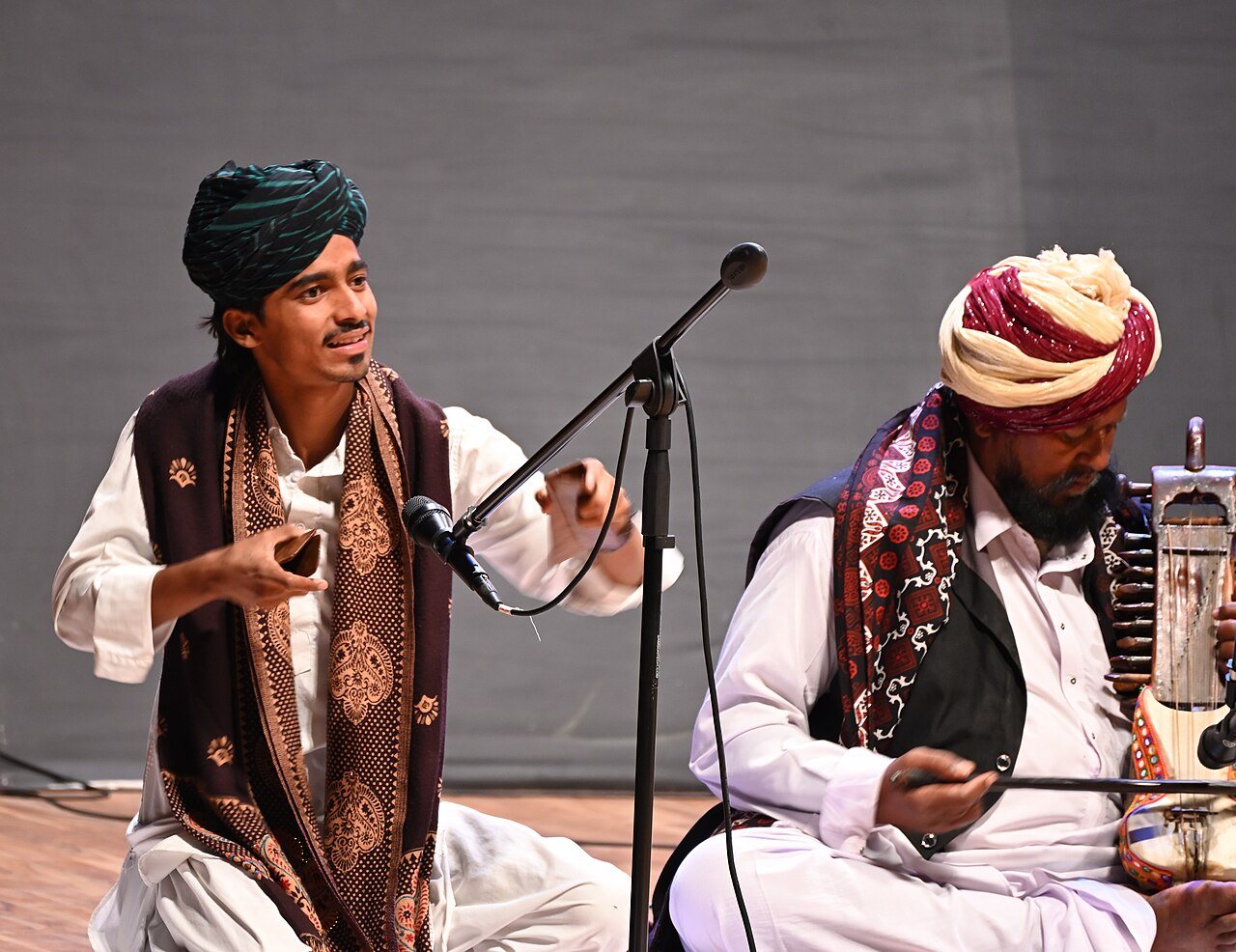
Before embarking on your subcontinent journey, reflect upon these six guiding commitments: This cost of traveling to India resource is designed to help international travelers plan with greater clarity.
When trains are delayed or plans go awry, I will treat the detour as an invitation to notice the unexpected story unfolding before me.
I will never photograph children, ascetics, or worshippers like exotic museum specimens. I will smile, ask permission, and share the image with them.
I will not aggressively haggle over ₹50 ($0.60) with a poor artisan whose family survival depends on that handcrafted terracotta pot or wooden toy.
I will happily remove my shoes, step barefoot upon sacred flagstones, and cover my shoulders without feeling inconvenienced.
I will pack out all personal plastic waste from Himalayan valleys, national parks, and holy ghats, leaving ancient sanctuaries immaculate.
I will speak of India with nuance, affection, and truth—dispelling tired clichés and helping others understand its breathtaking spirit.
How we preserve integrity across every single article, itinerary, and recommendation: For international travelers, this section adds practical context to India tourism.
No hotel, tour operator, or commercial retailer can pay to be featured in our guides. Our field recommendations are derived entirely from unannounced editorial research, ethnographers, and independent cultural historians. For international travelers, this section adds practical context to travel to India.
Every field guide, etiquette breakdown, railway analysis, and regional recipe archive on this platform is completely free and accessible to curious minds worldwide without paywalls or forced registration. For international travelers, this section adds practical context to visit India.
We actively invite reflections, corrections, and cultural dialogues from international visitors, diaspora scholars, and indigenous cultural custodians. Visit our Contact Desk to share your dispatch. For international travelers, this section adds practical context to India travel.
We act strictly as a cultural brand ambassador. We do not sell tours, book accommodation, earn referral commissions, or promote commercial packages. Our sole allegiance is to nuanced, authentic, and respectful cultural discovery. For international travelers, this section adds practical context to India travel guide.