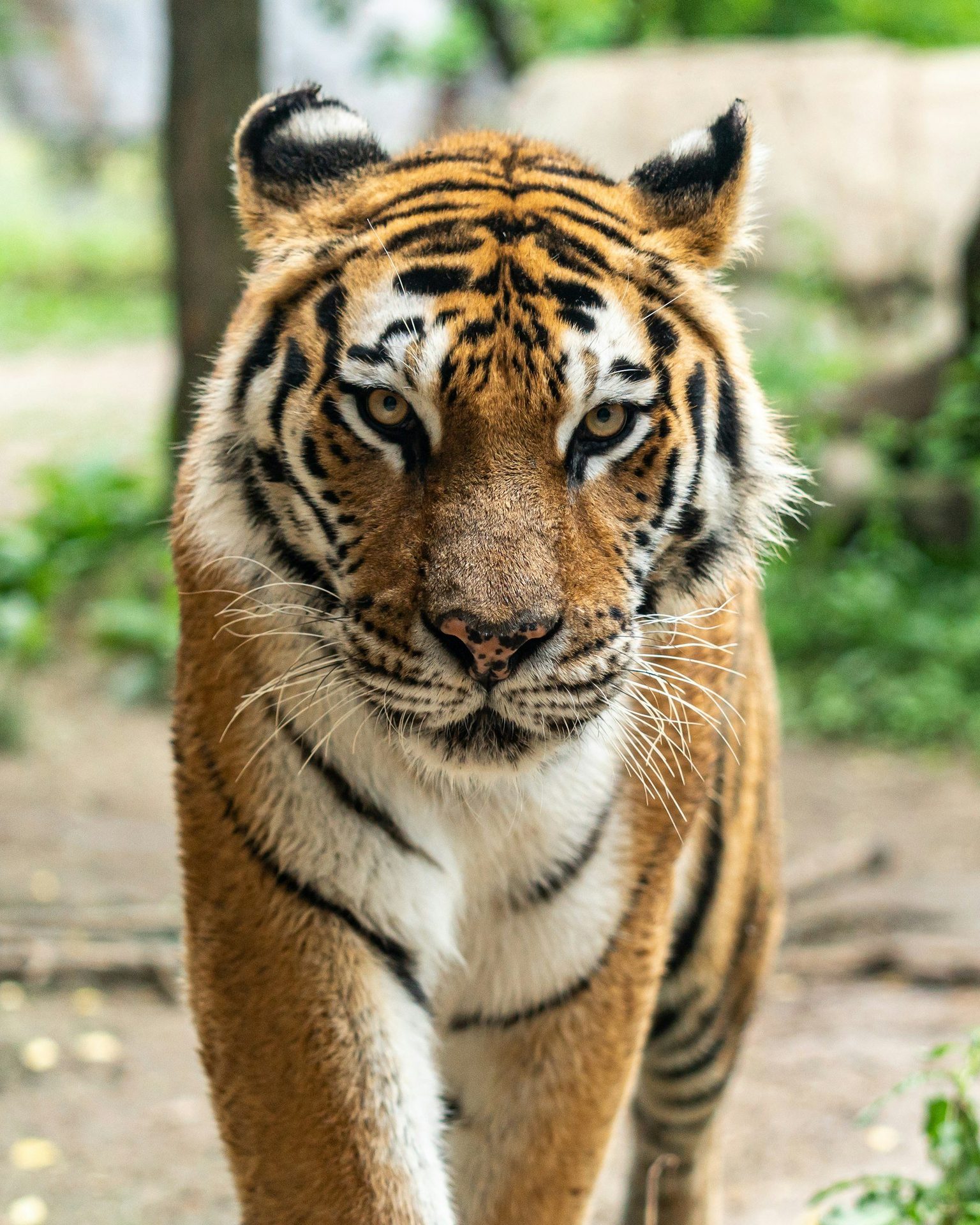
India shelters more than 75% of the planet's remaining wild tigers. Yet an authentic Indian safari is never a theme-park ride or a guaranteed zoo encounter. It is a slow, breathless lesson in jungle acoustics, reading fresh pugmarks in morning dust, and listening to the alarm barks of spotted deer when the striped sovereign steps onto the path.
Wildlife tourism India includes national parks in India and diverse landscapes, while an India travel guide can help visitors combine nature with cultural experiences in India.
From sub-zero Himalayan ridges to humid evergreen rainforests and alluvial floodplains, India's geographical diversity fosters astonishing biodiversity.
Madhya Pradesh & Maharashtra • Kanha, Bandhavgarh, Pench
The classic “Jungle Book” landscapes. Towering sal trees with open meadows (*maidans*) created by historic village relocations. The highest density of Bengal tigers on earth.
Assam & Foothills • Kaziranga & Corbett
Dense floodplains nurtured by the mighty Brahmaputra river. Dominated by 15-foot-tall elephant grass, marshland oxbow lakes (*beels*), and home to the world's largest rhino population.
Kerala & Karnataka • Periyar, Nagarhole, Silent Valley
A UNESCO Global Biodiversity Hotspot. Dense, multi-tiered evergreen jungle receiving immense monsoon rainfall, sheltering wild Asian elephant herds, black panthers, and endemic lion-tailed macaques.
In 1973, ruthless colonial hunting and post-independence deforestation had reduced India's wild tigers to under 1,800 individuals. The Government launched **Project Tiger** — one of the most ambitious apex predator recovery initiatives in human history.
Today, India manages 54+ dedicated Tiger Reserves covering over 75,000 square kilometers. Through camera-trap census technology (*M-STrIPES*), voluntary village buffer compensations, and round-the-clock foot patrols by indigenous tribal forest guards, the wild population has climbed past 3,682 individuals.
While the tiger commands headlines, India's jungles protect an extraordinary cast of ancient creatures you will not see in Africa or the Americas.
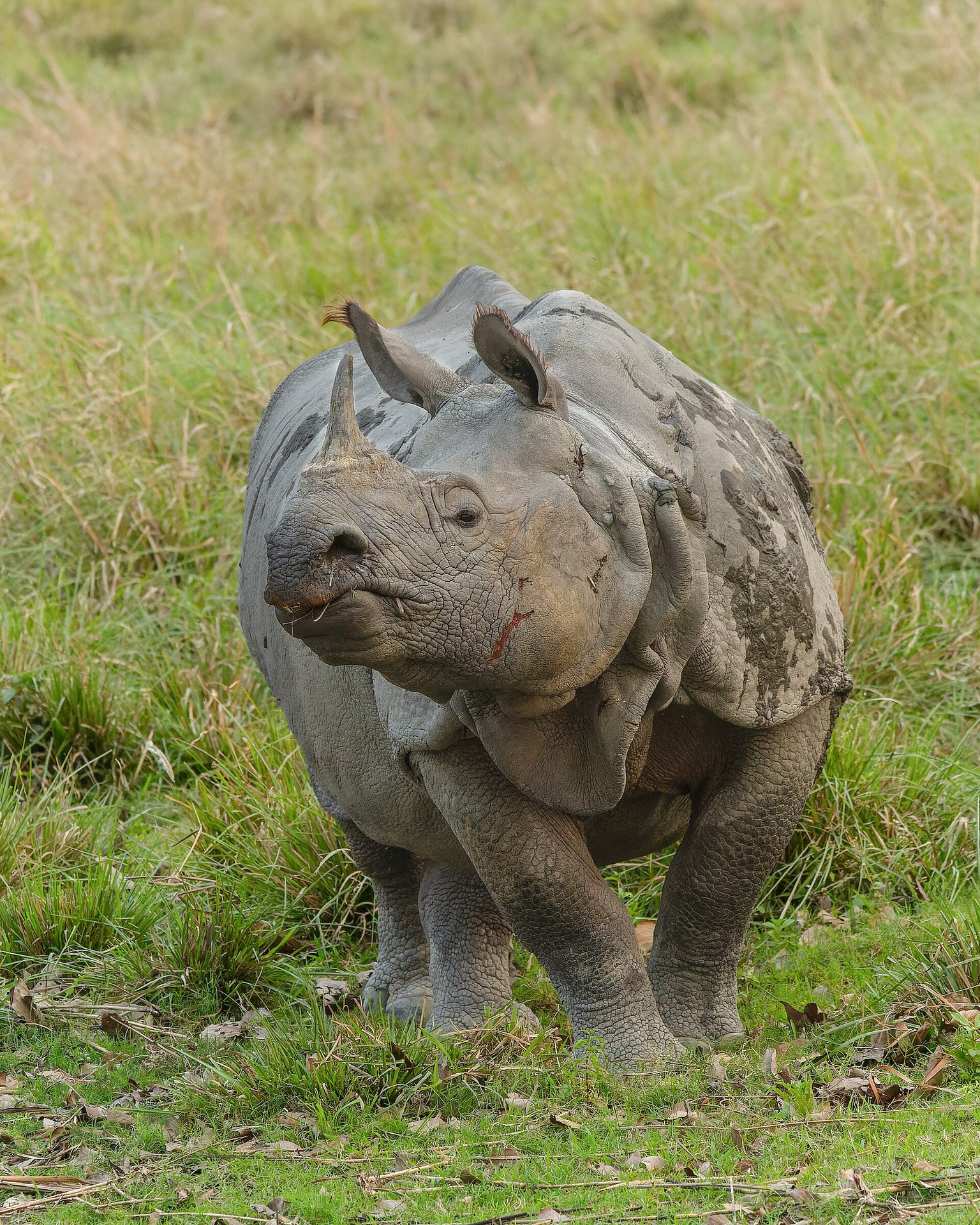
Looking like an armored prehistoric dinosaur, *Rhinoceros unicornis* was once hunted to under 100 individuals. Today, thanks to militarized anti-poaching forest patrols in Assam, over 2,600 rhinos thrive along the Brahmaputra marshes.
The only place on Earth outside Africa where wild lions survive. Slightly smaller than their African cousins with a prominent belly skin fold, over 670 Asiatic lions roam Gujarat's teak forests alongside the pastoral Maldhari tribes.
Asian Elephants (Nagarhole), Snow Leopards (Hemis, Ladakh), Sloth Bears (Daroji), Gharial Crocodiles (Chambal River), and the Malabar Pied Hornbill.
When an open Gypsy jeep cuts its engine in the cold dawn mist, the forest begins to speak. You do not spot a tiger with your eyes first; you hear it through the jungle's emergency broadcast network.
Key themes include India beaches, India travel guide, cultural experiences in India, helping international travelers plan an informed and memorable journey.
Every herbivore and primate serves as an aerial sentinel. When a predator steps out of the nullah (ravine), the forest reacts in sequence:
Gray Langur monkeys sitting in tall trees have a panoramic 360° view. When they spot a tiger, they emit a sharp, coughing “Khok-khok-khok!” bark, shaking tree branches to mark the predator's heading.
Spotted deer (*Chital*) stomp their front hooves and let out shrill, whistling shrieks. The massive Sambar deer issues a deep, metallic trumpet roar like a foghorn that echoes for two miles.
Trackers inspect the dusty sandy tracks. A male tiger's pad is square and blunt; a tigress's pad is elongated and oval. If fine dust hasn't settled inside the print and moisture remains on the claw edges, the cat is within 200 yards.
A national park is not a circus. We are visitors in an ancient wild territory. Maintaining ethics ensures animals remain unharassed and future travelers enjoy wild spaces.
Do not judge a safari purely by whether you saw an apex predator. Enjoy the mist, the spotted deer herds, the hornbills, the ancient banyan trees, and the thrill of the pursuit.
Whisper only. Loud cheering, shouting, or phone ringtones distress animals and cause them to retreat into dense cover. Turn off all camera beeps.
Animals perceive bright synthetic reds, whites, and yellows as alarm signals. Wear khaki, olive green, bark brown, or muted beige so you blend into the dry deciduous thickets.
Never step a single foot out of the vehicle outside designated forest department checkpoints. Never drop plastic or food wrappers; wild animals ingest waste with fatal consequences.