"Where ancient temples, tropical landscapes, living traditions and modern cities shape a different rhythm of India." For international travelers, this section adds practical context to India travel.
Plan Tamil Nadu travel around places to visit in Tamil Nadu, Kerala backwaters, Indian culture and traditions, the best Indian food to try, and India spiritual tourism.
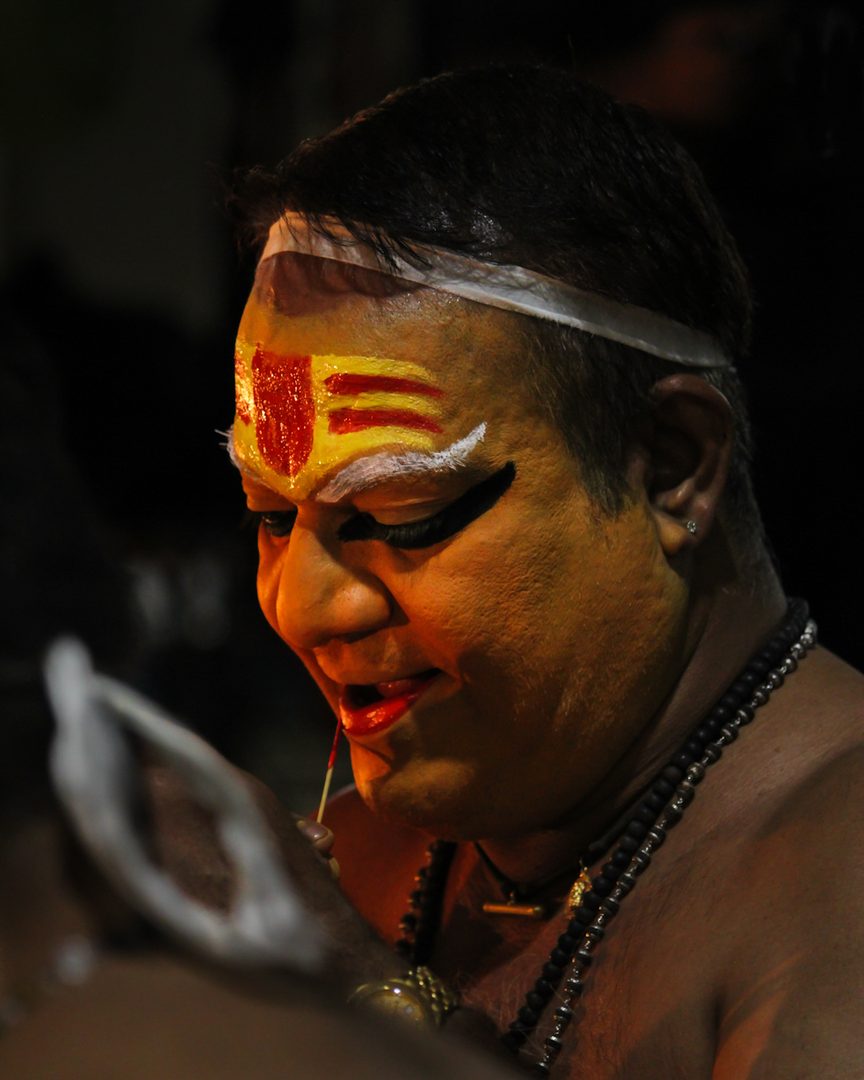
A distinct classical civilizational axis shaped by ancient maritime trade, monumental granite stonecraft, and sacred geography. This section also gives international visitors practical context for Indian culture and traditions.
Shielded by the high jungle spine of the Western Ghats and encircled by the warm waters of the Arabian Sea and the Bay of Bengal, South India preserves an unbroken cultural continuum thousands of years old. Here, classical Dravidian languages—predating much of recorded global literature—flourished alongside monumental granite stonecraft, refined Carnatic musical traditions, and ancient Ayurvedic medicine. The result is a subcontinental realm with its own architectural idioms, social rhythms, and philosophical depth.
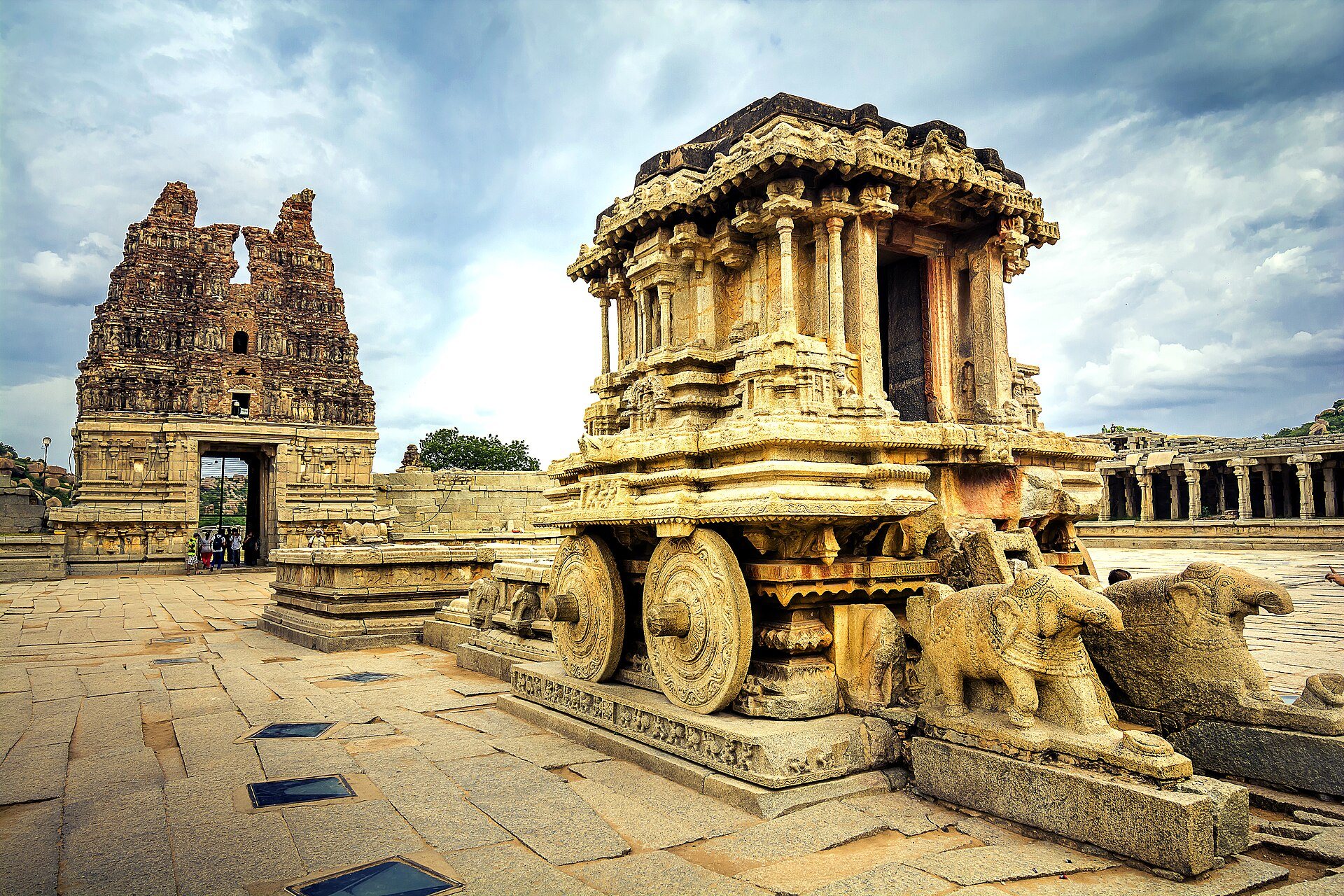
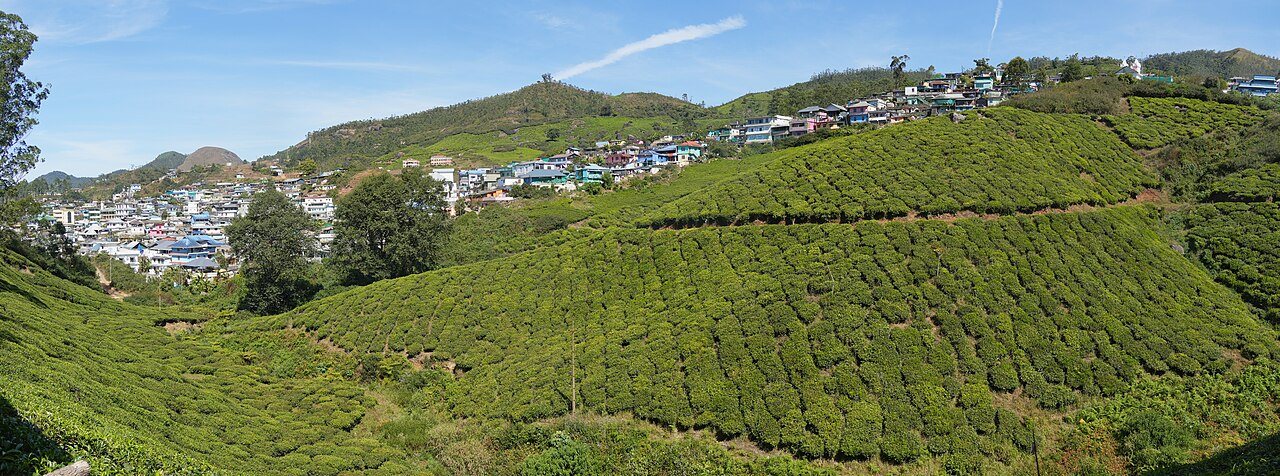
Across Tamil Nadu, towering sculpted temple gopurams anchor everyday civic life, where dawn ceremonies echo with bronze bells and nadaswaram pipes. In Kerala, a 900-kilometer labyrinth of emerald backwaters and palm-fringed lagoons nurtures traditional wooden kettuvallam houseboats, fragrant spice cultivation, and intense ritual spirit-dances. In Karnataka, the surreal pink granite boulder ruins of UNESCO Vijayanagara at Hampi contrast with the high-altitude misty coffee hills of Coorg and the cosmopolitan, forward-looking tech campuses of Bengaluru.
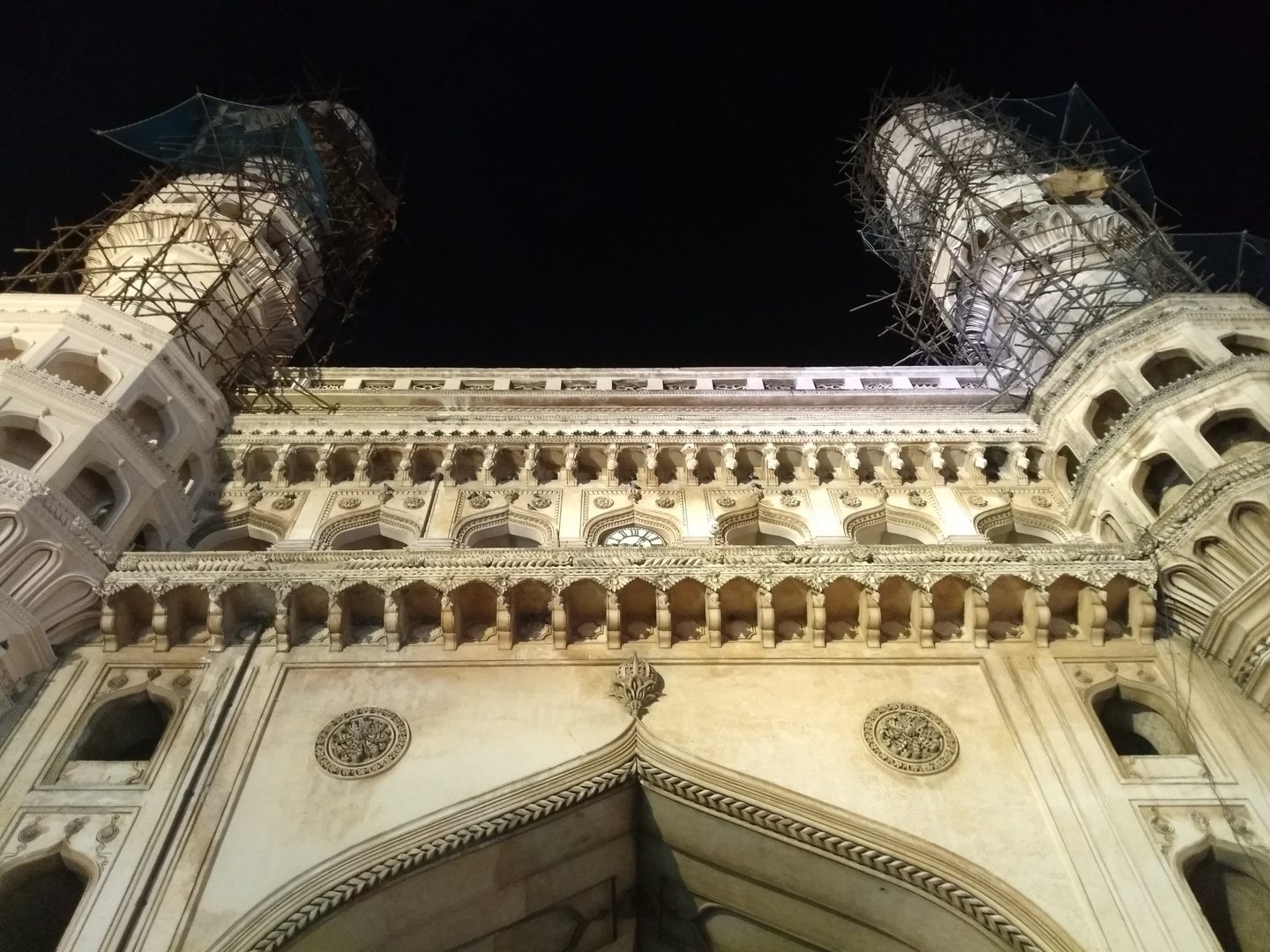
Further north across the Deccan plateau, Telangana and Andhra Pradesh blend historic Nizami Islamic opulence with ancient Telugu temple heritage and fiery chili-spiced gastronomy. From Hyderabad's 16th-century Charminar and Golconda diamond bastions to the sacred Coromandel coastal shores and Tirupati's hilltop shrine, South India reveals an India of serene tropical waters, vibrant classical arts, and timeless spiritual reverence.
"To step into South India is to witness living antiquity: where thousand-year-old granite temple halls, quiet emerald backwaters, and contemporary technological innovation move to the same steady pulse."
India Unfiltered Southern Field NotesExplore the distinct states, cultural heartlands, and diverse landscapes that comprise South India. For international travelers, this section adds practical context to tourist places in India.
BACKWATERS & AYURVEDA
God's Own Country. Celebrated for tranquil palm-shaded backwaters aboard traditional wooden houseboats, fragrant cardamom and tea hills in Munnar, 5,000-year-old Ayurvedic healing, and Kathakali temple dance. This section is especially useful for travelers researching Kerala backwaters.
BOULDER EMPIRES & COFFEE HILLS
The monumental granite boulder ruins of Vijayanagara at Hampi, Mysore's illuminated royal palace, Hoysala stone carvings at Belur, mist-cloaked Coorg coffee plantations, and Bengaluru's modern tech dynamism. For international travelers, this section adds practical context to visit India.
DRAVIDIAN GRANITE & CLASSICAL ARTS
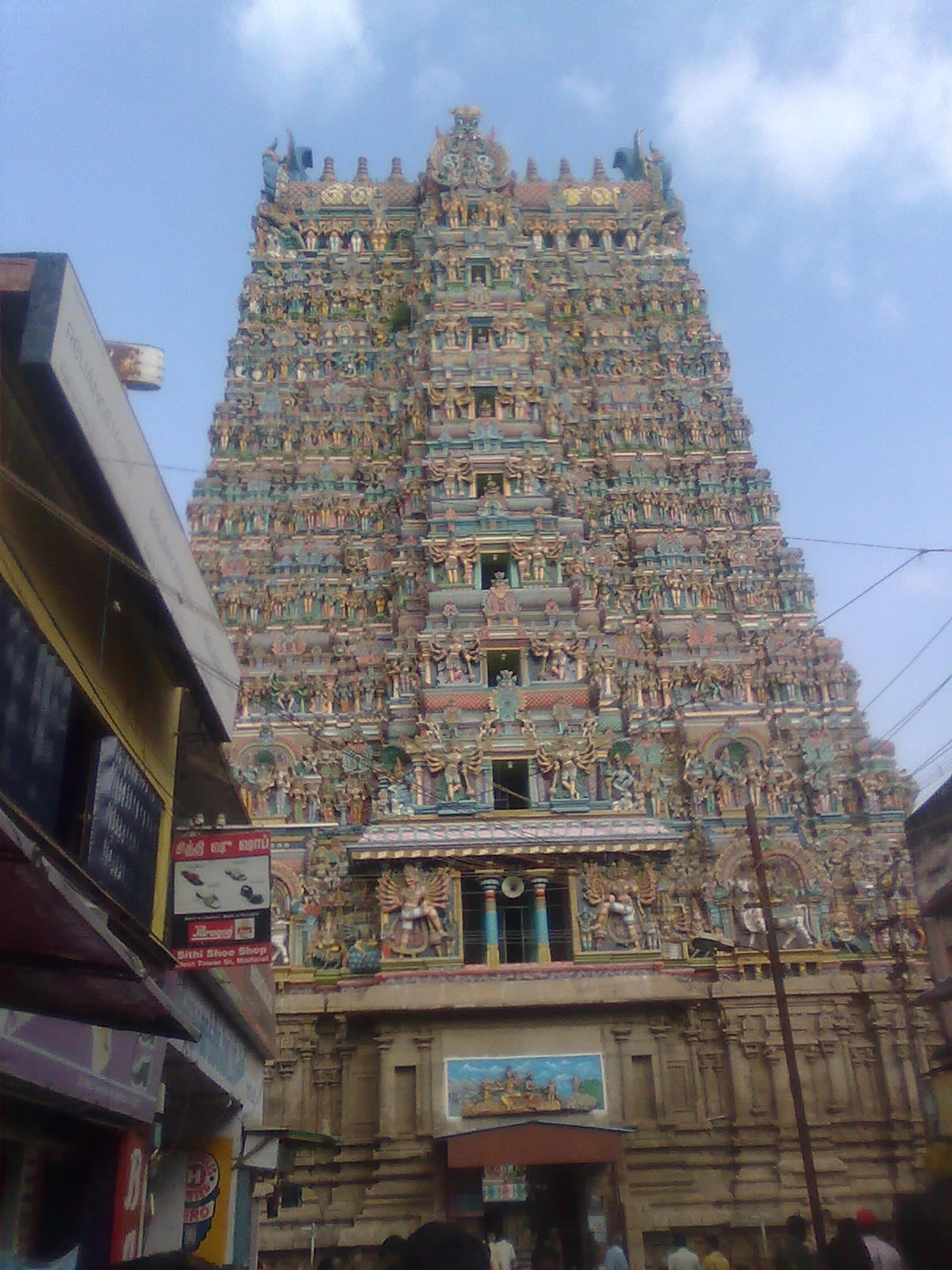
The living spiritual heart of Dravidian India. Towering multi-tiered gopurams of Madurai Meenakshi and Thanjavur Brihadisvara, French colonial promenades of Puducherry, and palatial heritage mansions of Chettinad. This section is especially useful for travelers researching places to visit in Tamil Nadu.
NIZAM SPLENDOR & DECCAN CITADELS
Where Persian court aesthetics met Deccan granite. Hyderabad's iconic 16th-century Charminar, acoustic military engineering at Golconda Fort, aromatic slow-cooked Dum Biryani, and UNESCO Kakatiya stone temples of Warangal. For international travelers, this section adds practical context to India travel guide.
SACRED HILLS & COROMANDEL SHORES
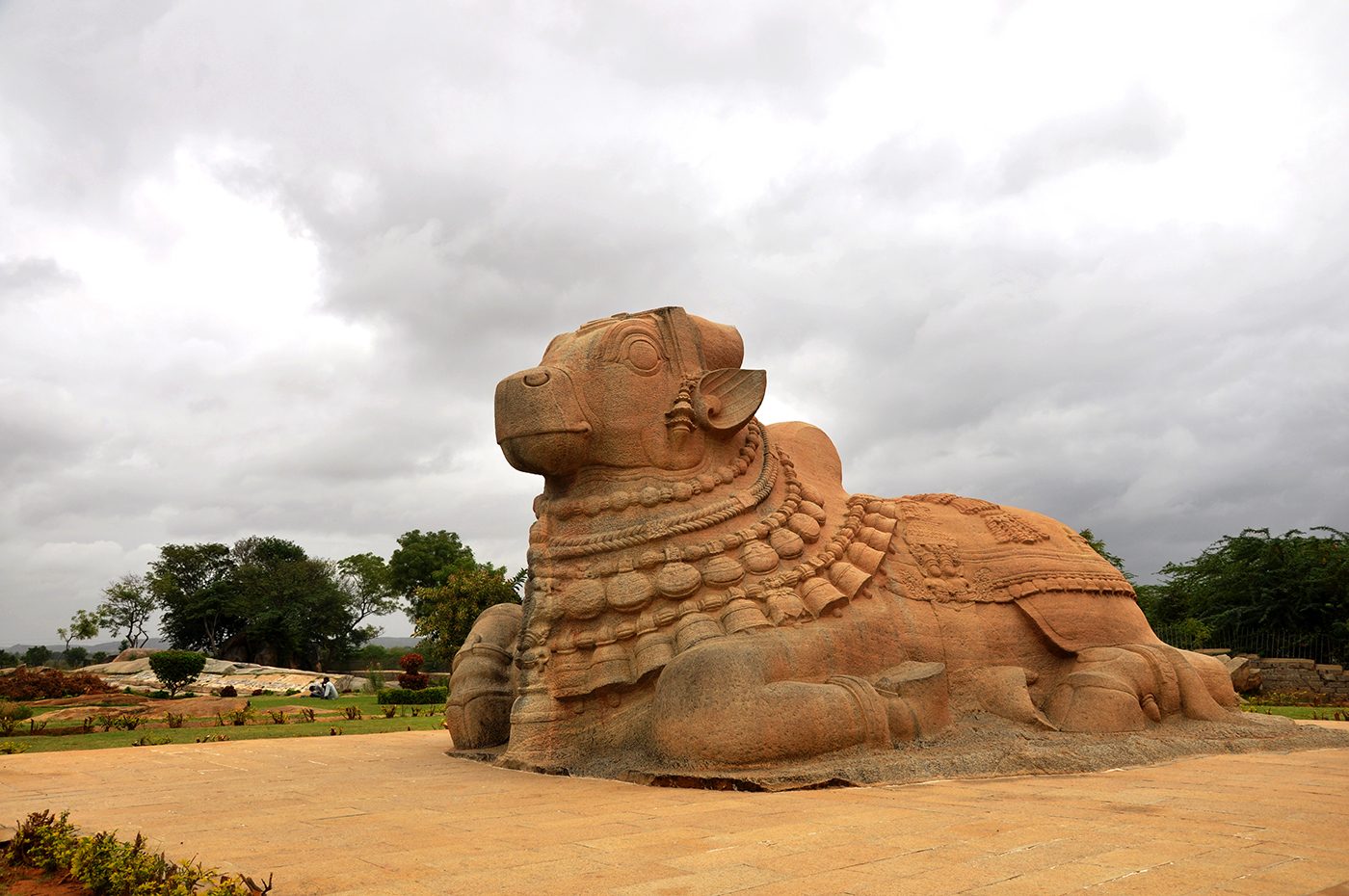
The sacred hilltop shrine of Tirumala Venkateswara in Tirupati, ancient Buddhist rock-cut monasteries of Undavalli, pristine Coromandel coastlines, spicy coastal Andhra thalis, and hand-painted Kalamkari textiles. For international travelers, this section adds practical context to India tourism.
Connect with our dedicated in-depth regional hubs and curated travel corridors across the south. This best time to visit India resource is designed to help international travelers plan with greater clarity.
Immerse in the sacred temple rituals, classical dance mudras, Ayurvedic wellness, and spice estates of the peninsula. For international travelers, this section adds practical context to India tourism.
SACRED ARCHITECTURE
Witness thousand-year-old living temple ceremonies where bronze deities are bathed in milk and sandalwood, accompanied by the thunderous drone of temple percussion and nadaswaram pipes. International travelers can use this section when exploring UNESCO World Heritage sites India.
ANCIENT MEDICINE
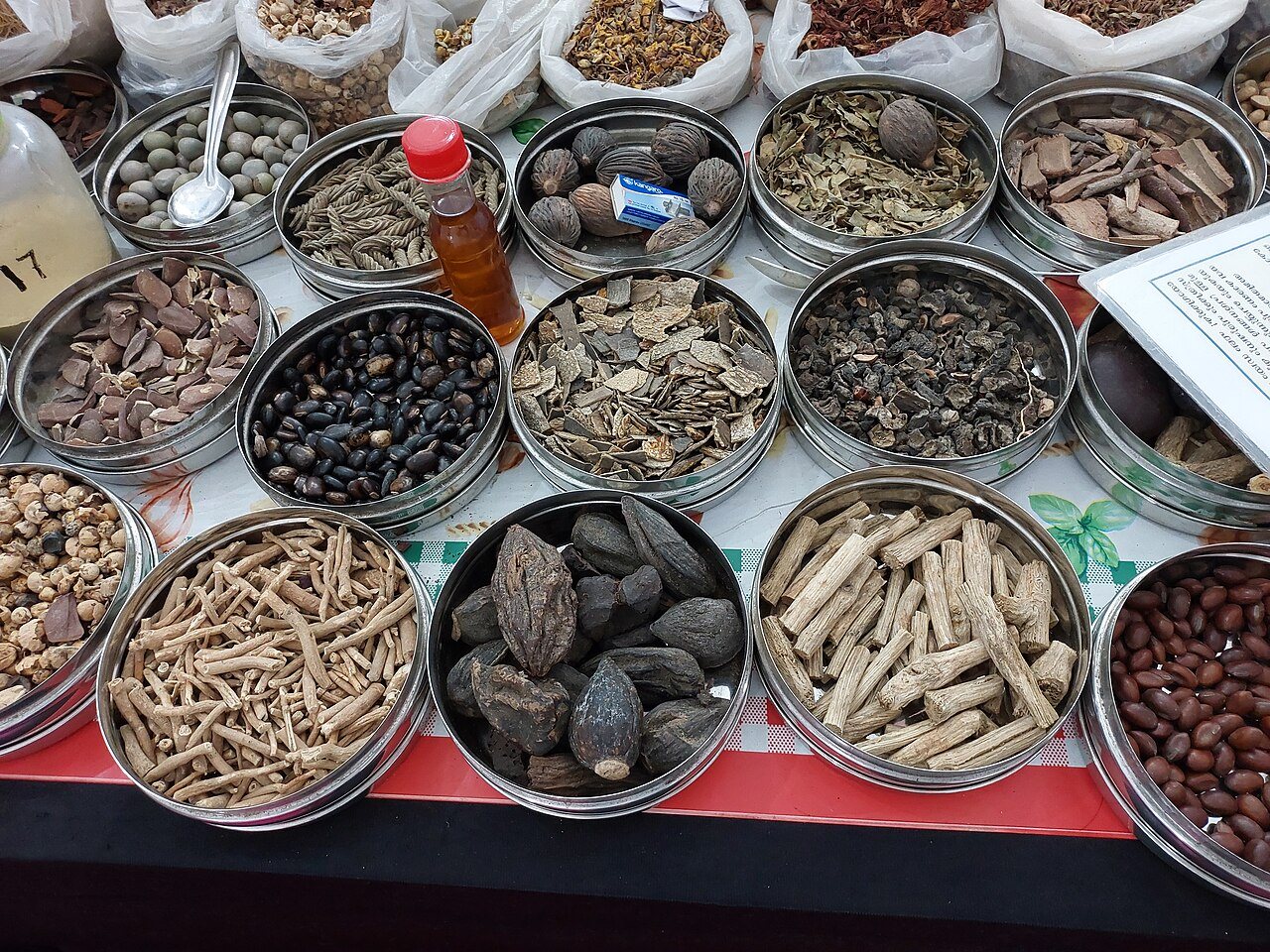
Immerse in authentic 5,000-year-old clinical Ayurveda: physician-guided Panchakarma detoxification, warm herbal Shirodhara oil streams, and quiet dawn yoga beside tranquil backwaters. This section helps visitors understand spiritual places in India as part of a thoughtful India journey.
GASTRONOMY
Savor crisp fermented rice dosas, fiery black-pepper Chettinad gravies, coconut-infused Malabar fish curries, Hyderabadi biryani, and frothy meter-long filter coffee pours. For international travelers, this section adds useful context to Indian street food.
HERITAGE CRAFTS
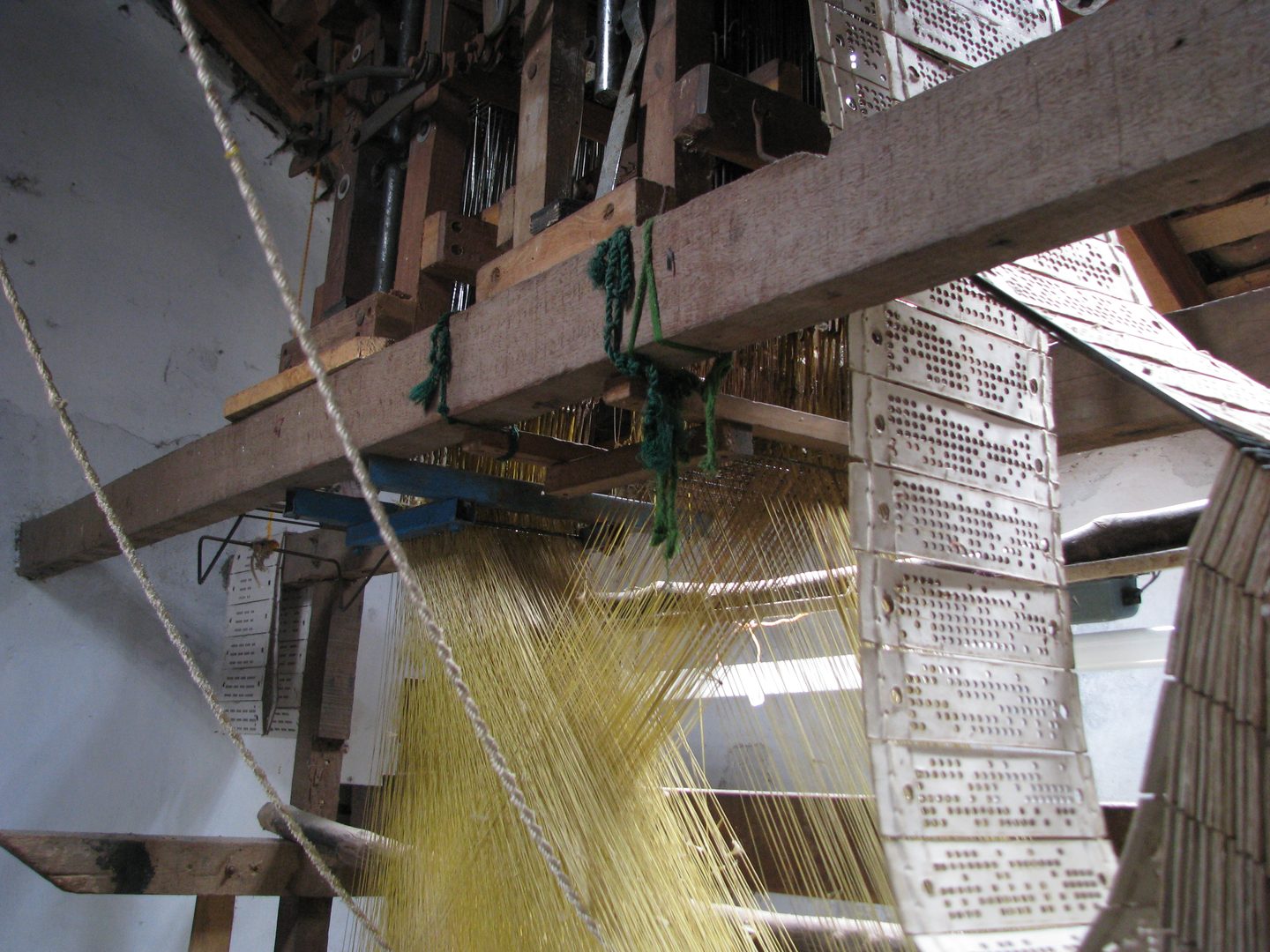
Encounter master artisans practicing heavy pure mulberry silk and gold zari weaving in Kanchipuram, Chola lost-wax bronze casting in Swamimalai, and intricate Kalamkari hand-painting. International travelers can use this section when exploring UNESCO World Heritage sites India.
Key themes include Kerala backwaters, Indian culture and traditions, best Indian food to try, helping international travelers plan an informed and memorable journey.
HIGHLAND BOTANY
Walk through mountain cloud forests where wild black pepper vines climb silver oak trunks, shade-grown Arabica coffee ripens in Coorg, and sculpted emerald tea carpets span the peaks of Munnar. For international travelers, this section adds useful context to Indian cuisine.
Firsthand reporting, photographic exhibitions, and thoughtful reflections from wanderers across the southern lands. For international travelers, this section adds practical context to travel to India.
FIELD MEMOIRS
Personal dispatches from international visitors experiencing dawn backwater homestays in Alleppey, village Carnatic music sabhas, and transformative Ayurvedic healing. This India travel tips resource is designed to help international travelers plan with greater clarity.
PHOTO EXHIBITION
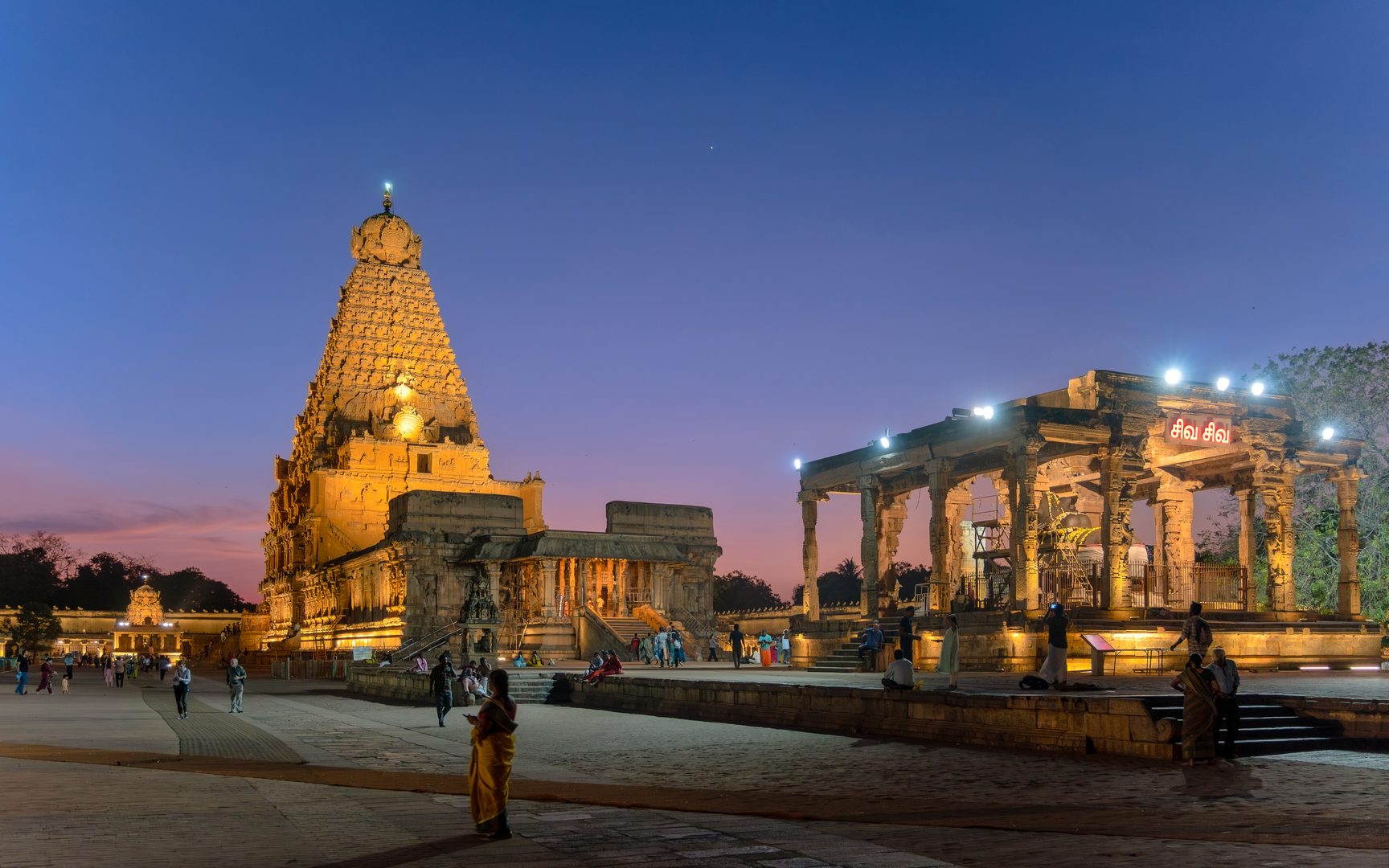
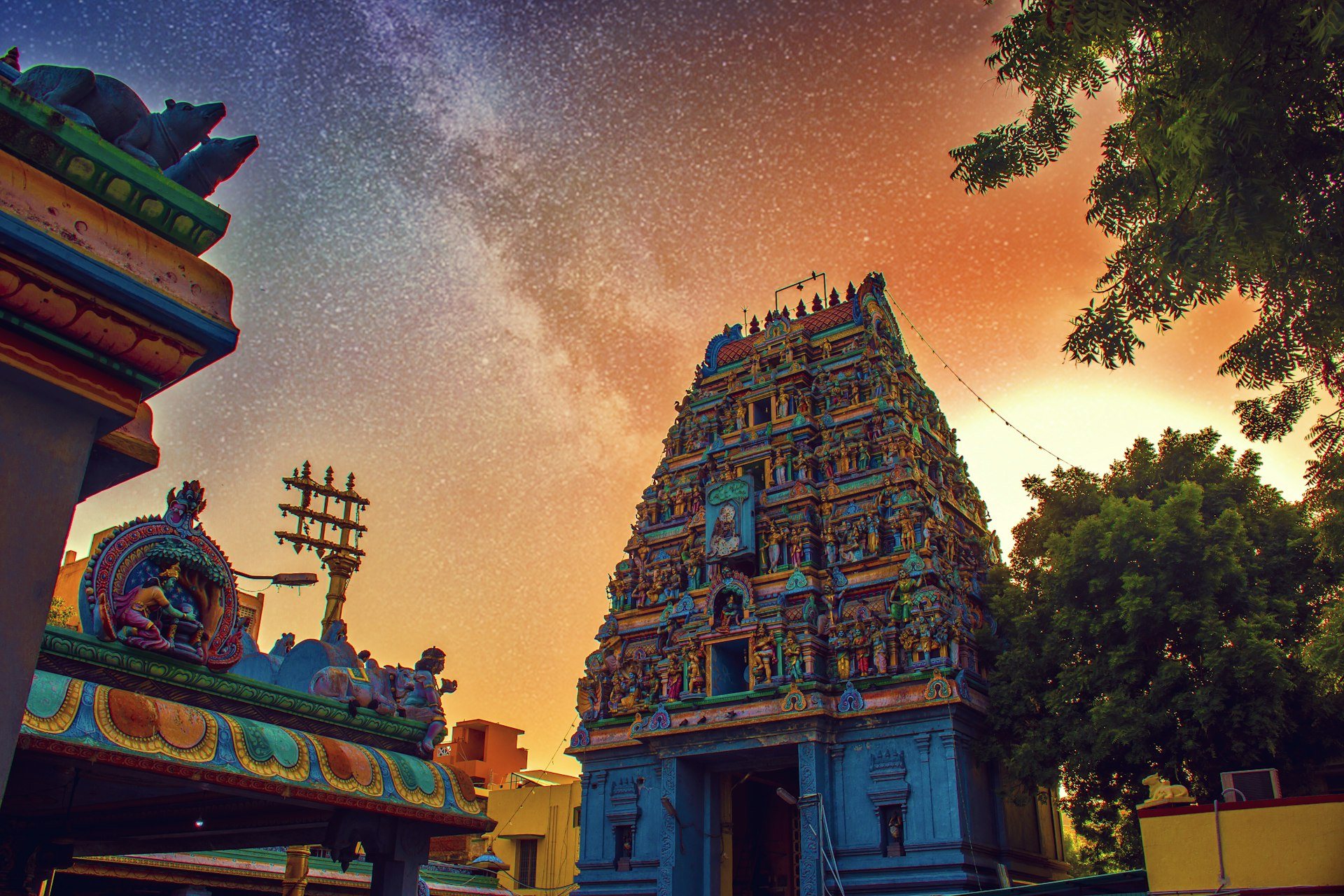
A curated photographic gallery capturing sculpted granite temple gopurams against tropical dusk skies, handloom weavers at work, and backwater canoe reflections. For international travelers, this section adds practical context to India travel.
TRANSIT ESSAY
Riding the historic coastal lines through Kerala and the Deccan: morning filter coffee vendors, coconut groves flashing past open coach doors, and shared journeys across states. This India travel guide for first time visitors resource is designed to help international travelers plan with greater clarity.
South India cannot be experienced as a single tempo. It is an intricate harmony of three enduring dimensions—sacred, aquatic, and cosmopolitan. For international travelers, this section adds practical context to tourist places in India.
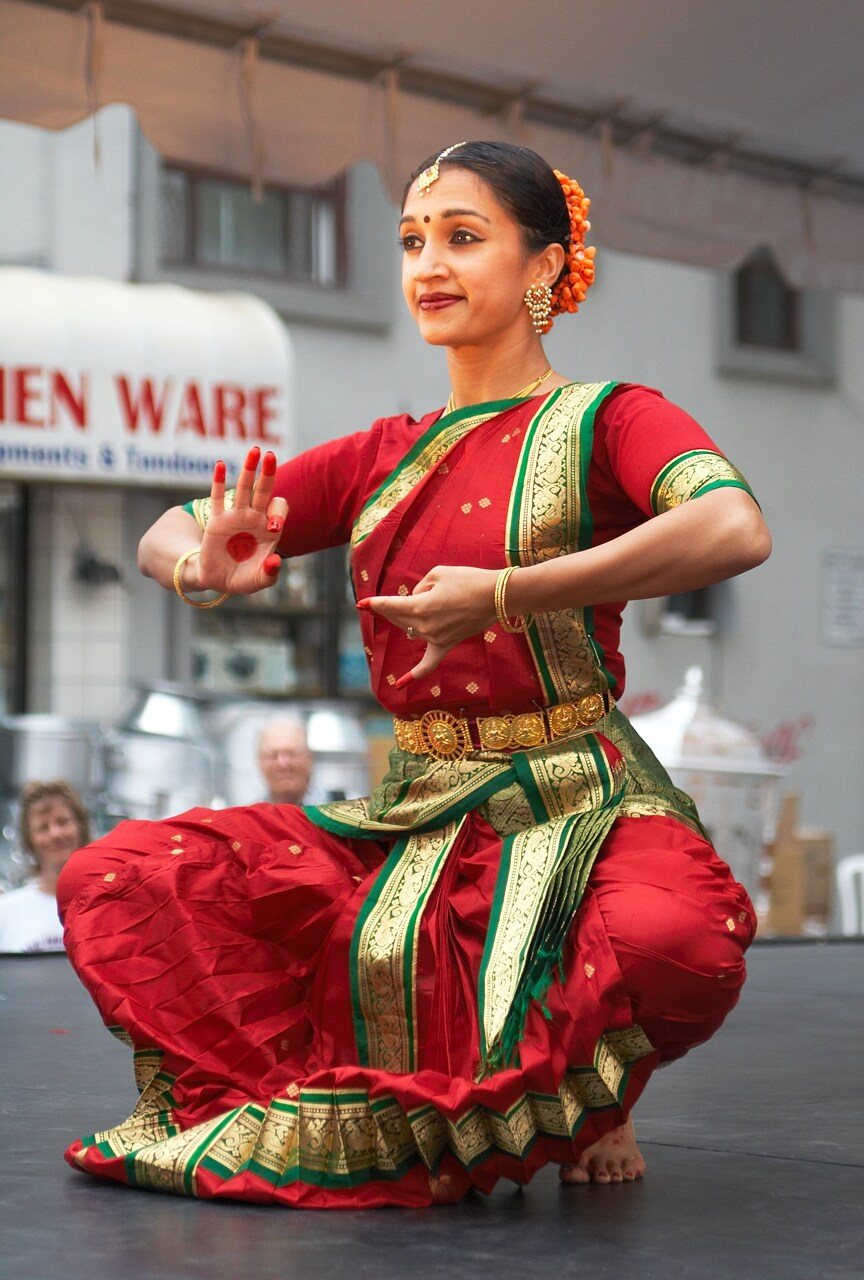
In South India, ancient temples are not quiet stone museum pieces; they are the pulsating civic and spiritual hearts of daily community existence. In great temple cities like Madurai, Thanjavur, and Chidambaram, thousand-year-old granite corridors echo at dawn with nadaswaram pipes, bronze oil lamps, fragrant jasmine garlands, and centuries-old ritual chants. Classical dance (Bharatanatyam), Carnatic vocal music, and bronze-casting guilds continue to derive their primary purpose from this living sacred geometry. This section helps visitors understand India spiritual tourism as part of a thoughtful India journey.
Flanked by two oceans, the southern peninsula lives in intimate communion with water. Kerala's 900-kilometer backwater labyrinth of quiet lagoons, rivers, and canals functions as a tranquil liquid highway where schoolboats, coir craftsmen, and wooden houseboats drift beneath towering palms. Coastal fishing guilds maneuver traditional wooden catamarans through Coromandel surf, and regional gastronomy celebrates coconut milk, curry leaves, tamarind, and the day's fresh marine catch. This section is especially useful for travelers researching Kerala travel.
Southern metropolises embody a sophisticated modern India grounded in deep regional pride. Bengaluru balances its global aerospace and software campuses with shaded colonial parks and century-old filter coffee tiffin rooms. Hyderabad merges high-tech corridors with the grand 16th-century Persian arches of Charminar and royal Nizami culinary traditions. Chennai anchors South India's intellectual and classical arts renaissance with winter music festivals and historic coastal promenades. International travelers can use this section when exploring UNESCO World Heritage sites India.
Concise, practical context to ensure thoughtful preparation and smooth cultural navigation across the southern region. For international travelers, this section adds practical context to India travel guide.
November to February is the ideal window (20°C–30°C) with pleasant breezes. The Southwest Monsoon (June–Aug) brings torrential rains to Kerala and Karnataka—traditionally considered the optimal season for Ayurvedic oil treatments. Coastal Tamil Nadu receives rain during the Northeast Monsoon (Oct–Nov). This India travel itinerary resource is designed to help international travelers plan with greater clarity.
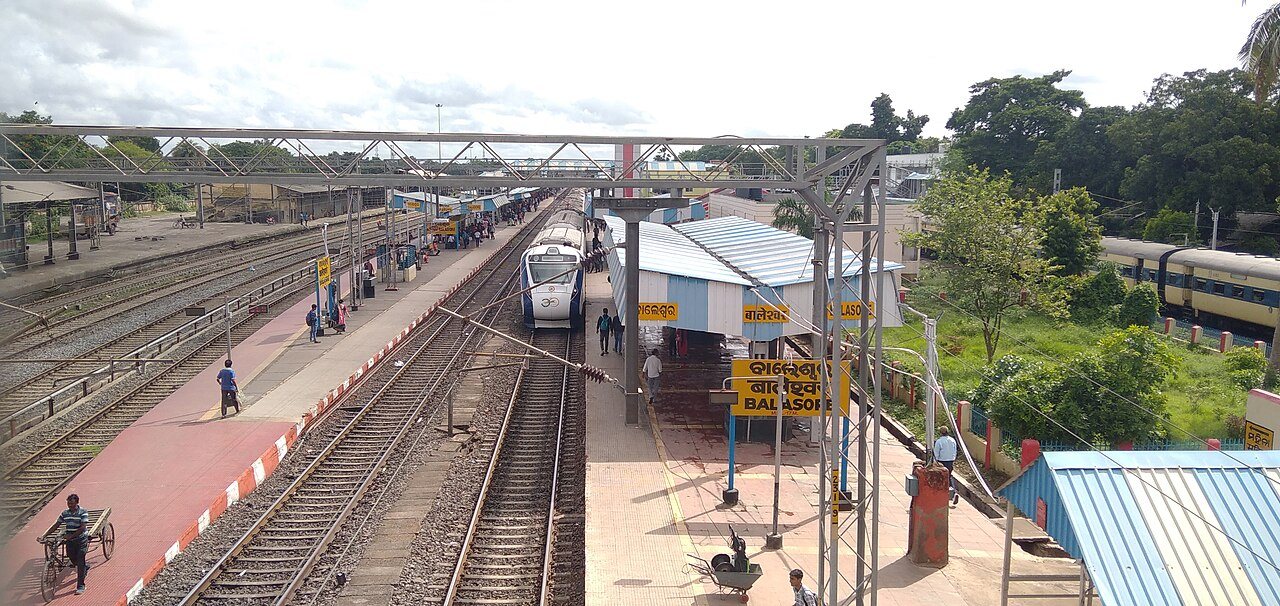
High-speed Vande Bharat trains connect Chennai, Bengaluru, Mysuru, Coimbatore, Hyderabad, and Kochi. Major international airports in BLR, MAA, COK, and HYD offer rapid hops. For traversing the scenic Western Ghats coffee and tea hills, private chauffeured cars offer unrivaled ease. For international travelers, this section adds practical context to travel to India.
In cities, ride-hailing apps (Uber, Ola) and prepaid airport taxi booths are reliable. In Kerala, public water ferries (such as the State Water Transport boats) offer charming, budget-friendly hops through canals alongside local commuters. For international travelers, this section adds practical context to visit India.
Strict dress codes apply at southern temples: shoulders and knees must be fully covered. Some orthodox temples in Kerala and Tamil Nadu require men to remove shirts and wear a traditional cotton dhoti/mundu. Always deposit footwear at the entrance and seek permission before photography. This section also gives international visitors practical context for best cultural experiences in India.
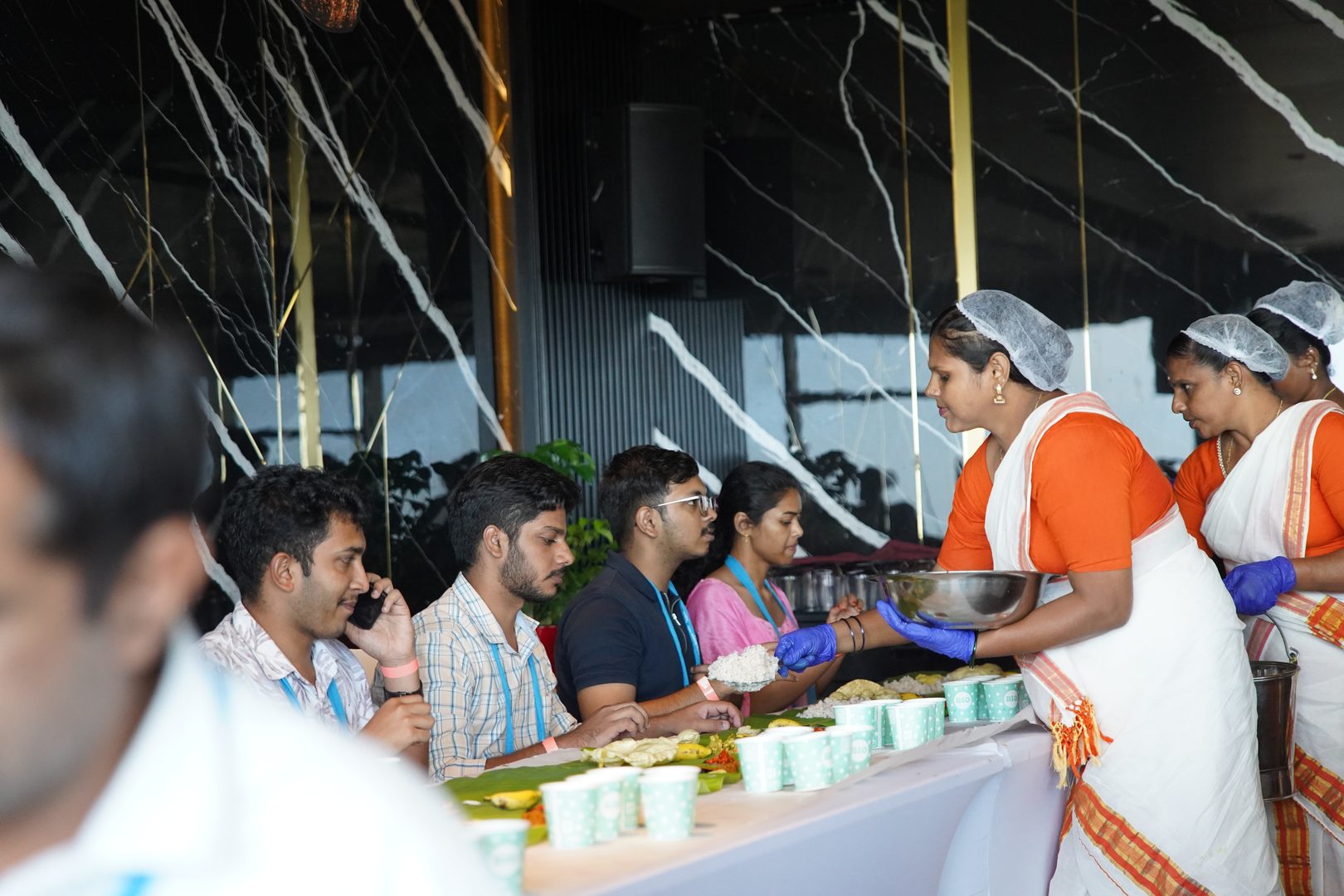
Southern cooking is distinctively aromatic with black pepper, fresh curry leaves, coconut, and sour tamarind. Spice heat in Andhra and Chettinad dishes is intense; specify "mild spice" if sensitive. Traditional meals are served on banana leaves and eaten cleanly with the right hand. For international travelers, this section adds useful context to Indian street food.
South India is only one part of the story. Follow the map north, west or toward the eastern frontiers of the subcontinent. For international travelers, this section adds practical context to India tourism.
REGIONAL OVERVIEW
The sacred Gangetic river plains, Mughal architectural poetry in Delhi and Agra, gilded Sikh shrines, and wild tiger reserves of Madhya Pradesh. For international travelers, this section adds practical context to travel to India.
REGIONAL OVERVIEW
Royal Rajput desert citadels, painted Shekhawati havelis, the surreal white salt desert of Kutch, and coastal Goa. For international travelers, this section adds practical context to visit India.
REGIONAL OVERVIEW
Bio-engineered living root bridges, mist-shrouded tea hills, one-horned rhinos, and eastern Himalayan tribal frontiers. This section is especially useful for travelers researching places to visit in Northeast India.